




Outfit boats, vans, or off-grid builds for a living? Van upfitters, RV shops, marine electricians, and solar installers get dealer pricing on Victron, Epoch & more. Get dealer pricing →
Everything that moves power between shore, engine, and batteries
Shore chargers, alternator-fed DC-DC chargers, voltage converters, and the chargers that feed electric-motor packs — grouped by the job, so you can find yours fast.
Swipe the table sideways to see every column →
| Product | Job | Best for | From |
|---|---|---|---|
| Charging from shore power | |||
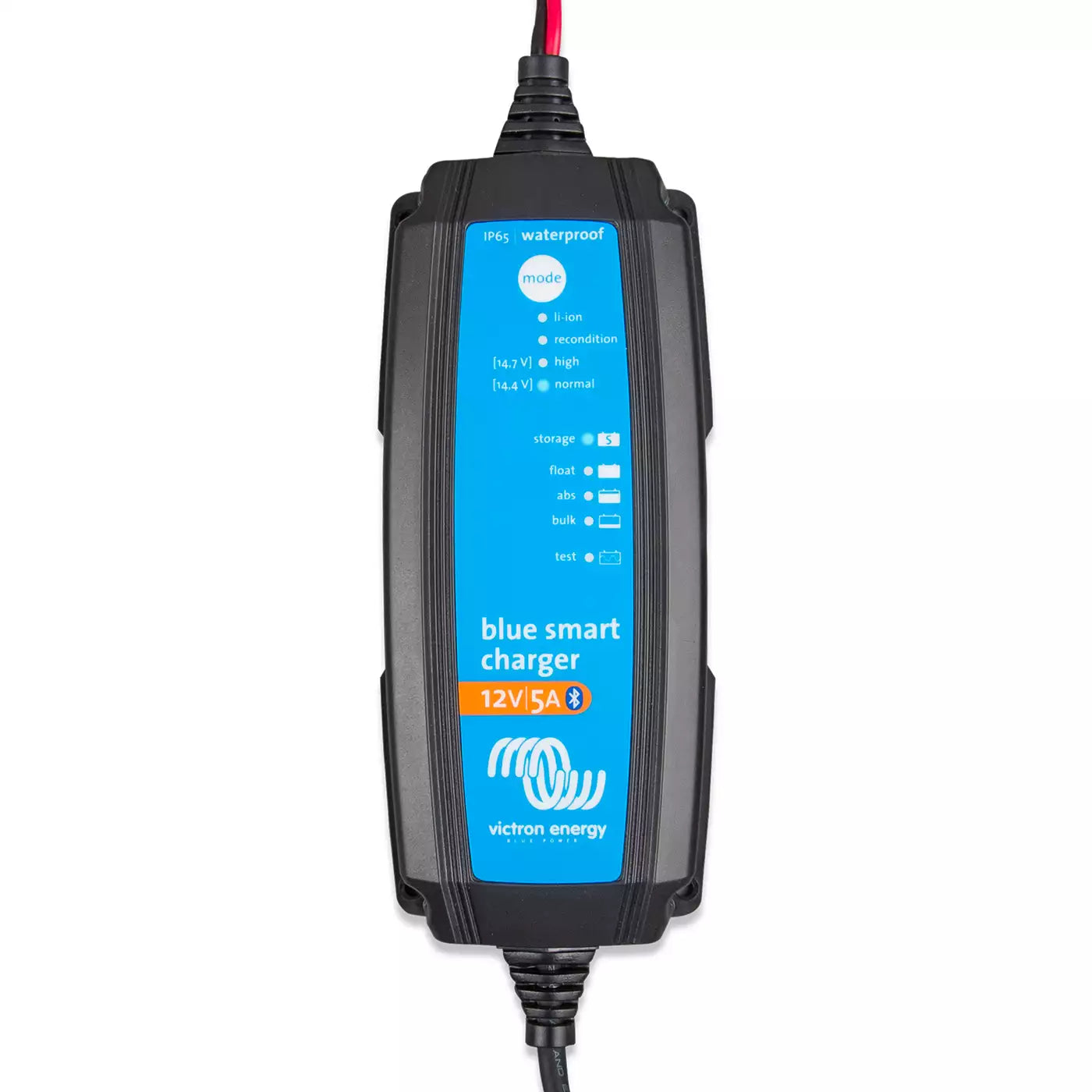
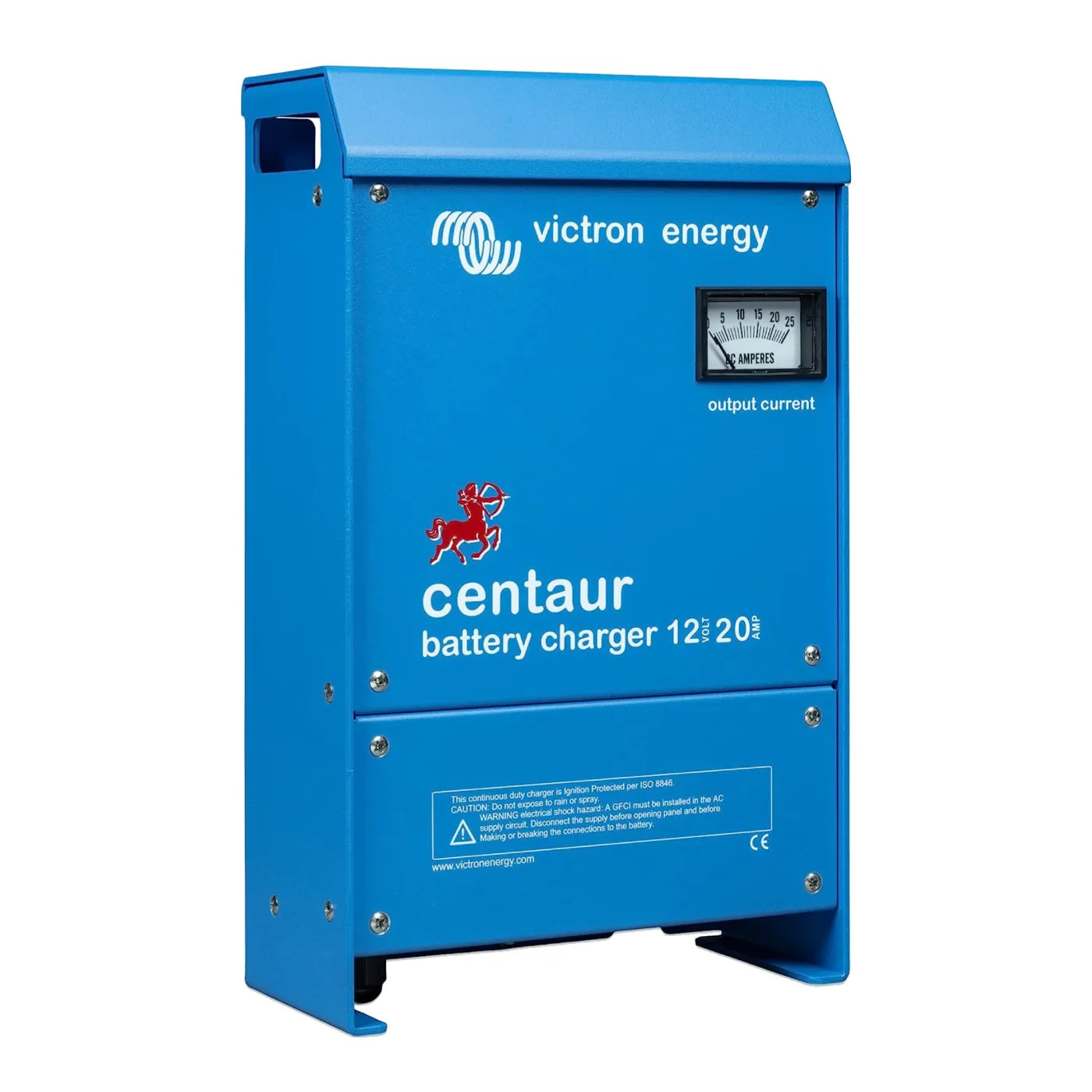
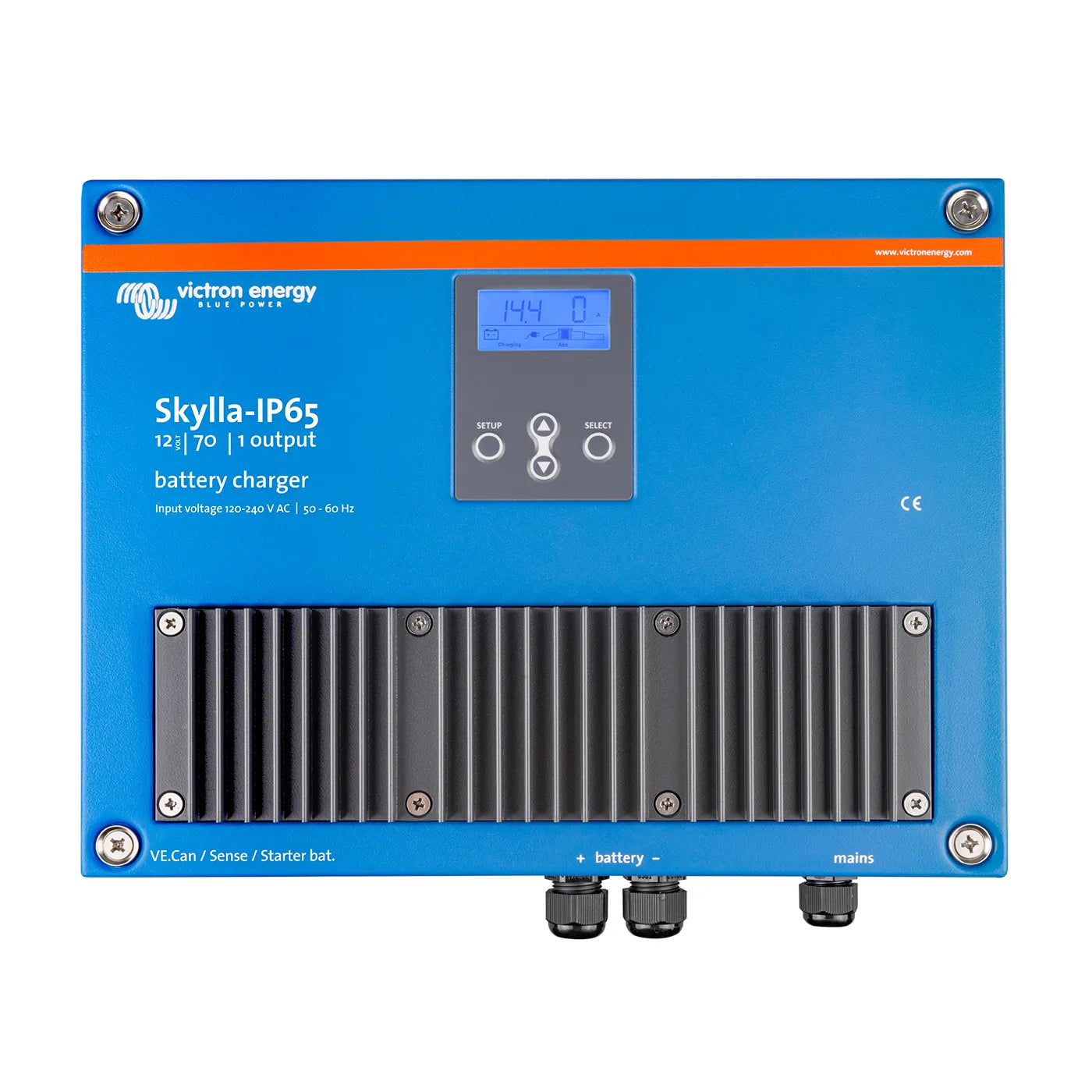
| Blue Smart IP65 | Compact AC charger | Weatherproof charging with app control — the everyday favorite | $60.95 |
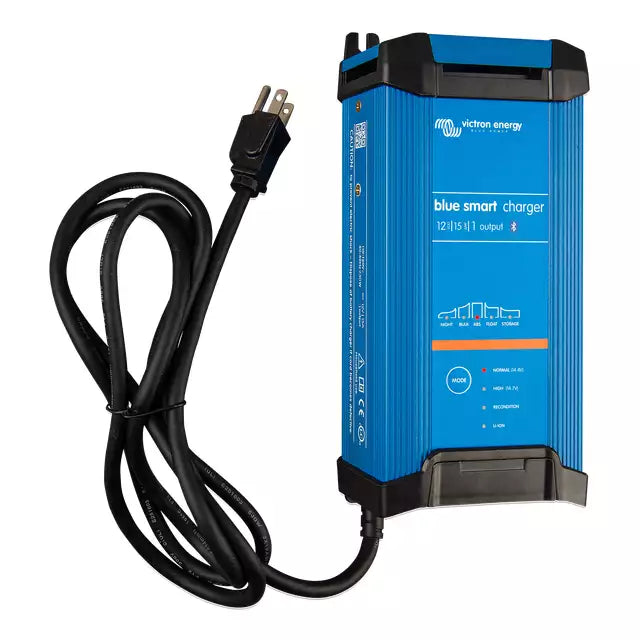
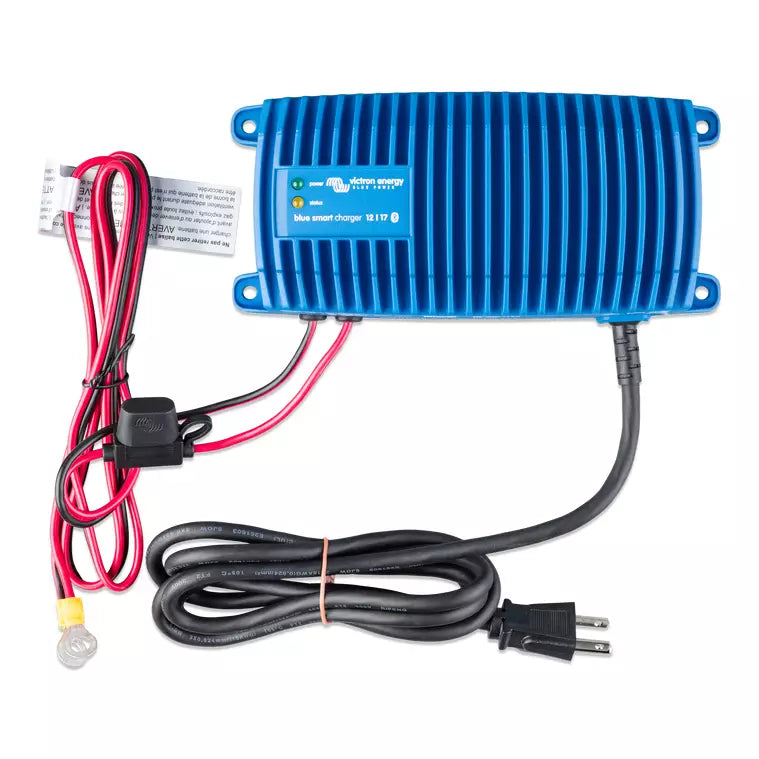
| Blue Smart IP22 | AC charger, 1–3 outputs | Charging multiple banks from the dock or garage | $146.20 |
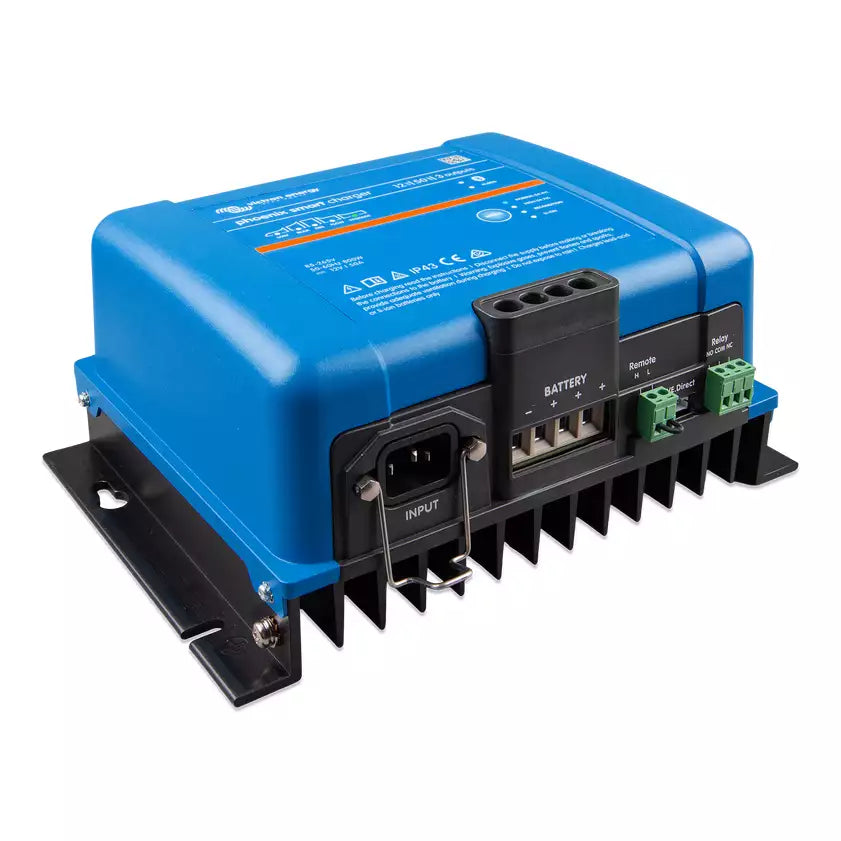
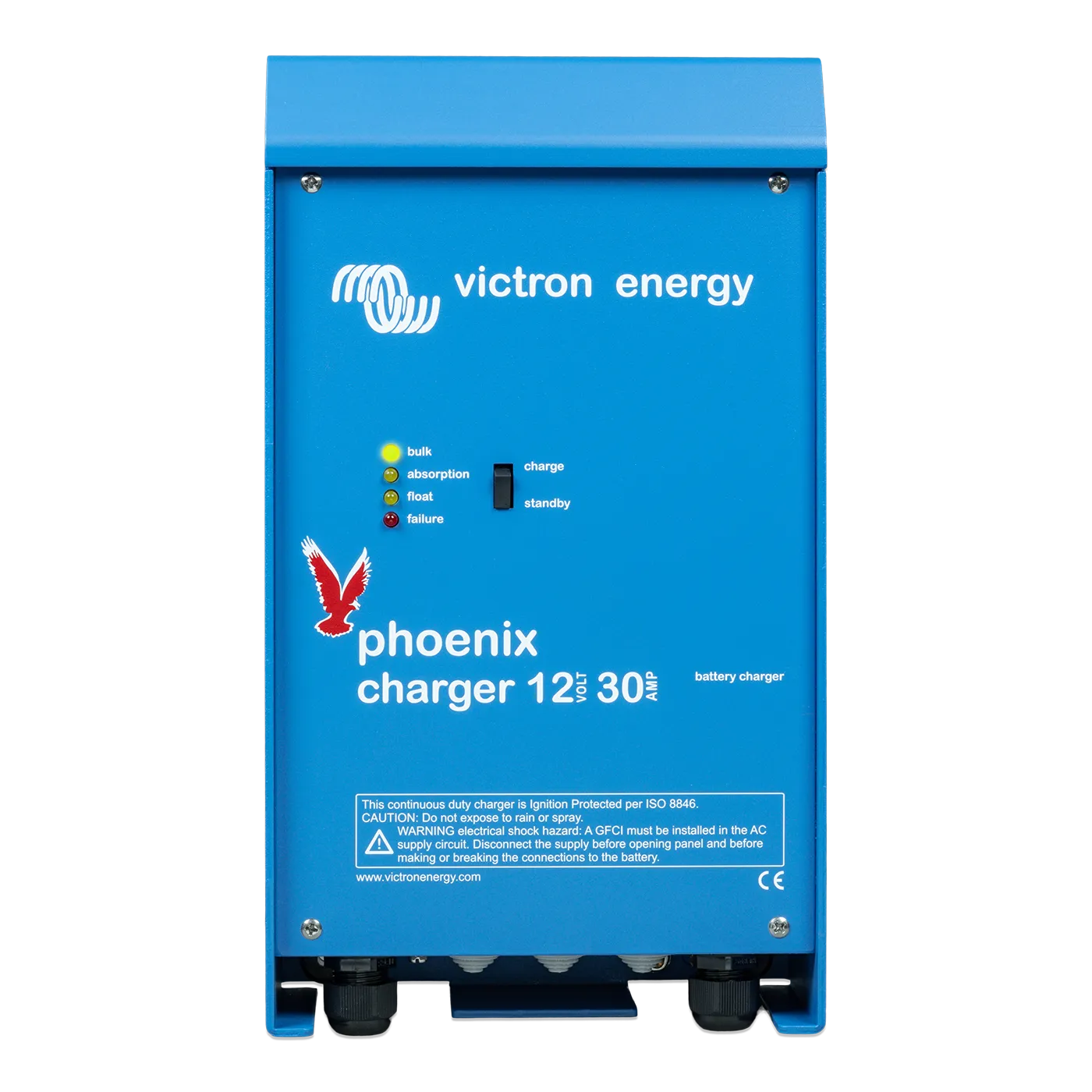
| Phoenix Smart IP43 | High-power AC charger | Bigger banks; 120–240V input with VE.Direct integration | $309.95 |
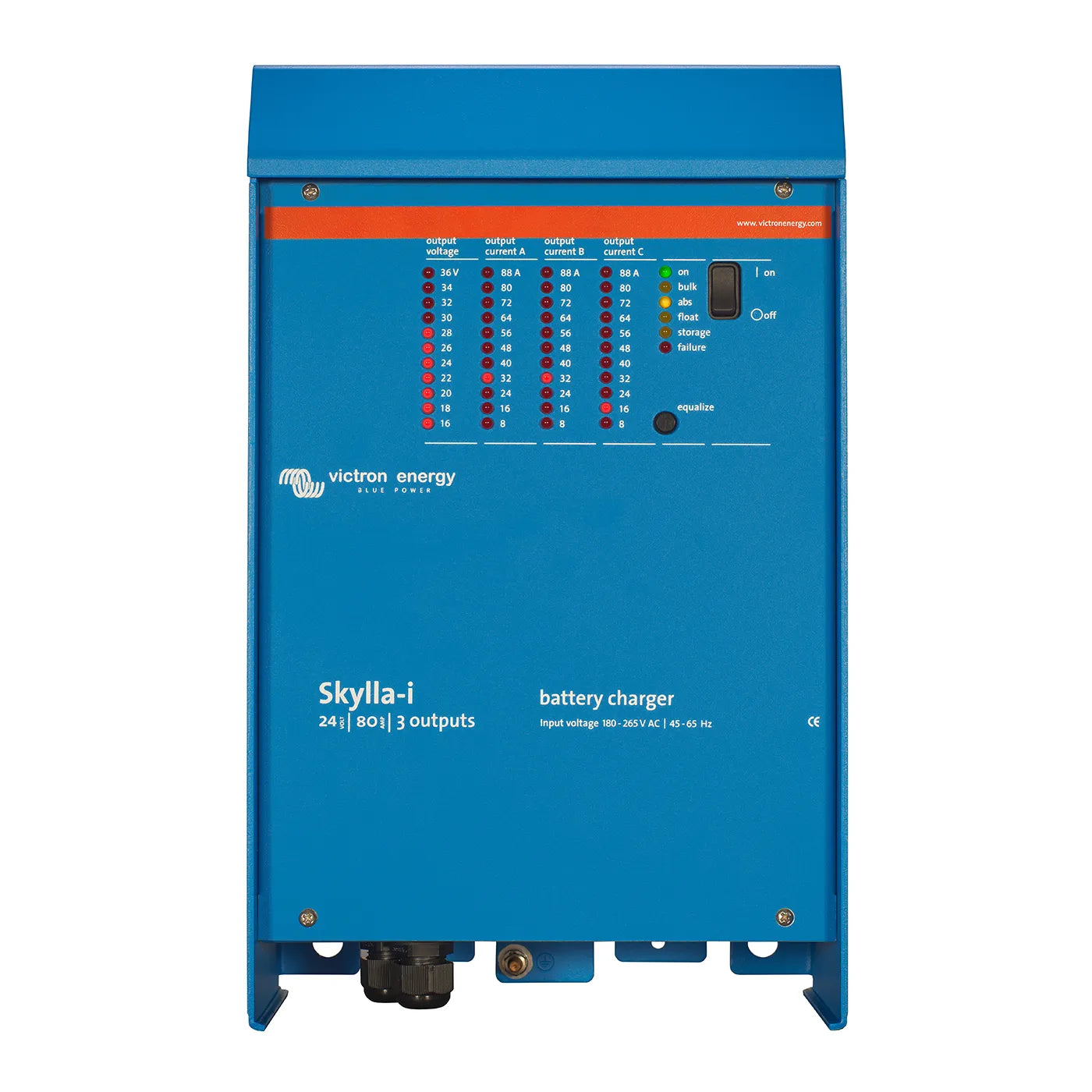
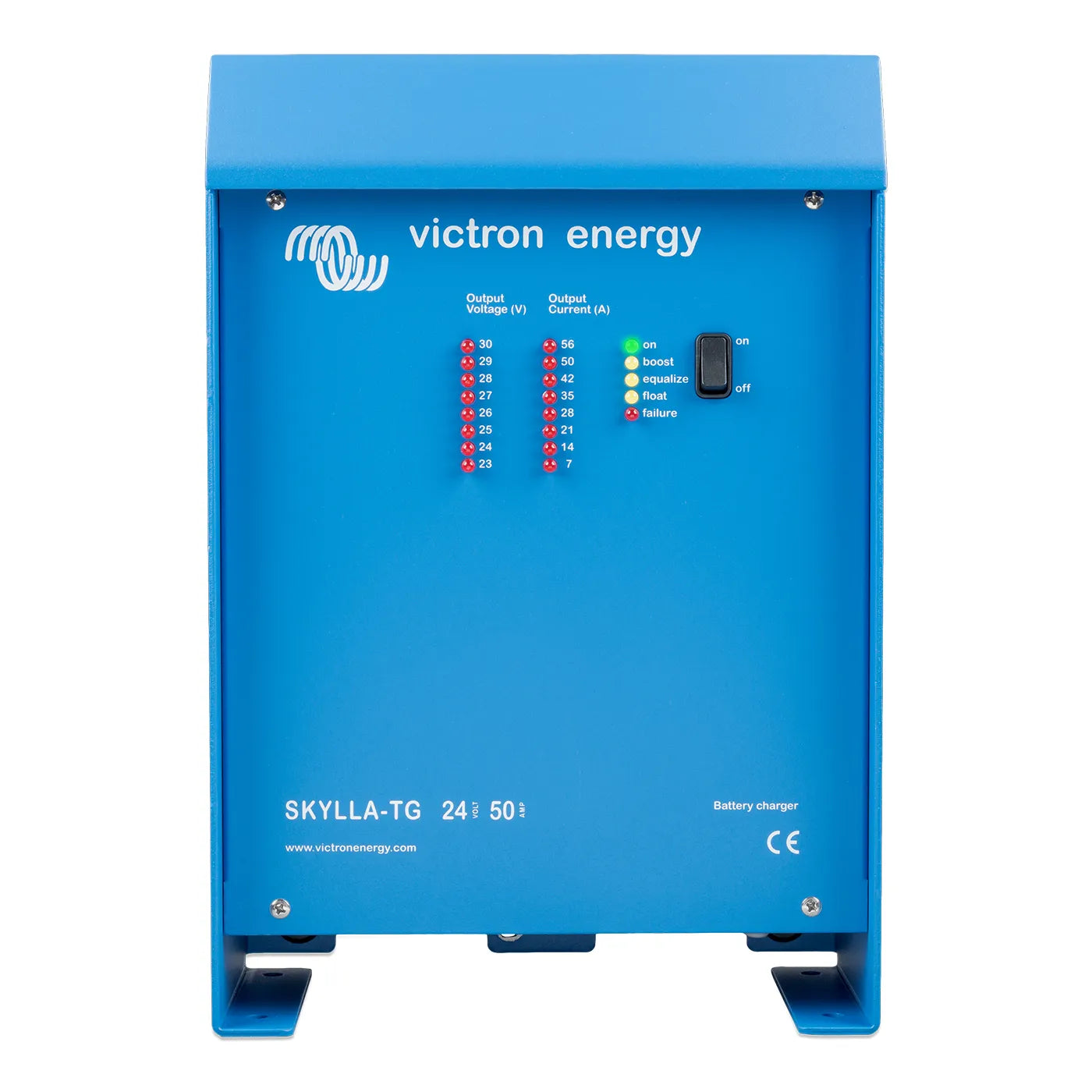
| Skylla-TG | Heavy-duty charger | 24V & 48V workboat and big-bank charging | $659.95 |
| Charging from the alternator (battery-to-battery) | |||
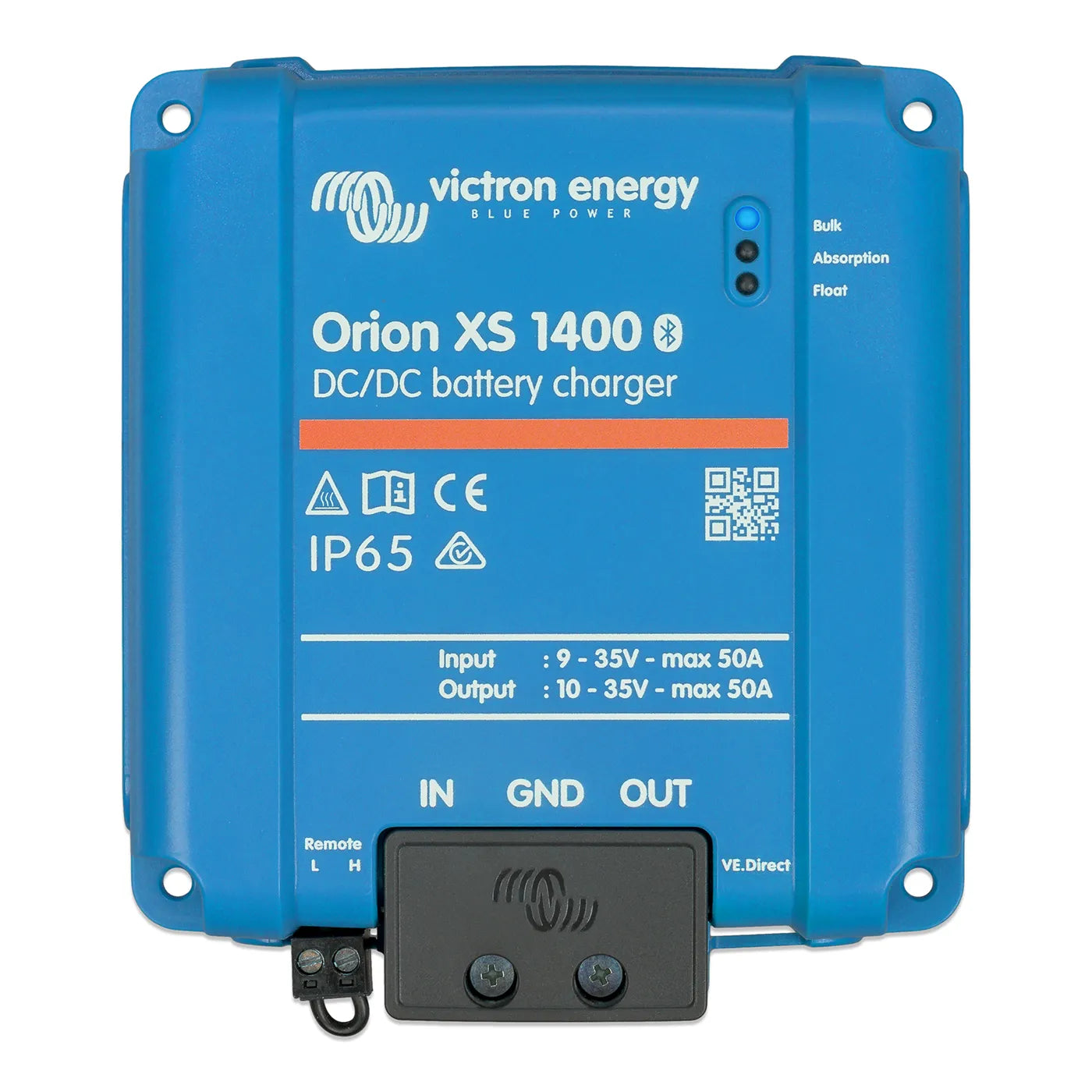
| Orion XS 50A / 70A | DC-DC charger | The flagship lithium-safe alternator charger — small, cool, powerful | $279.95 |
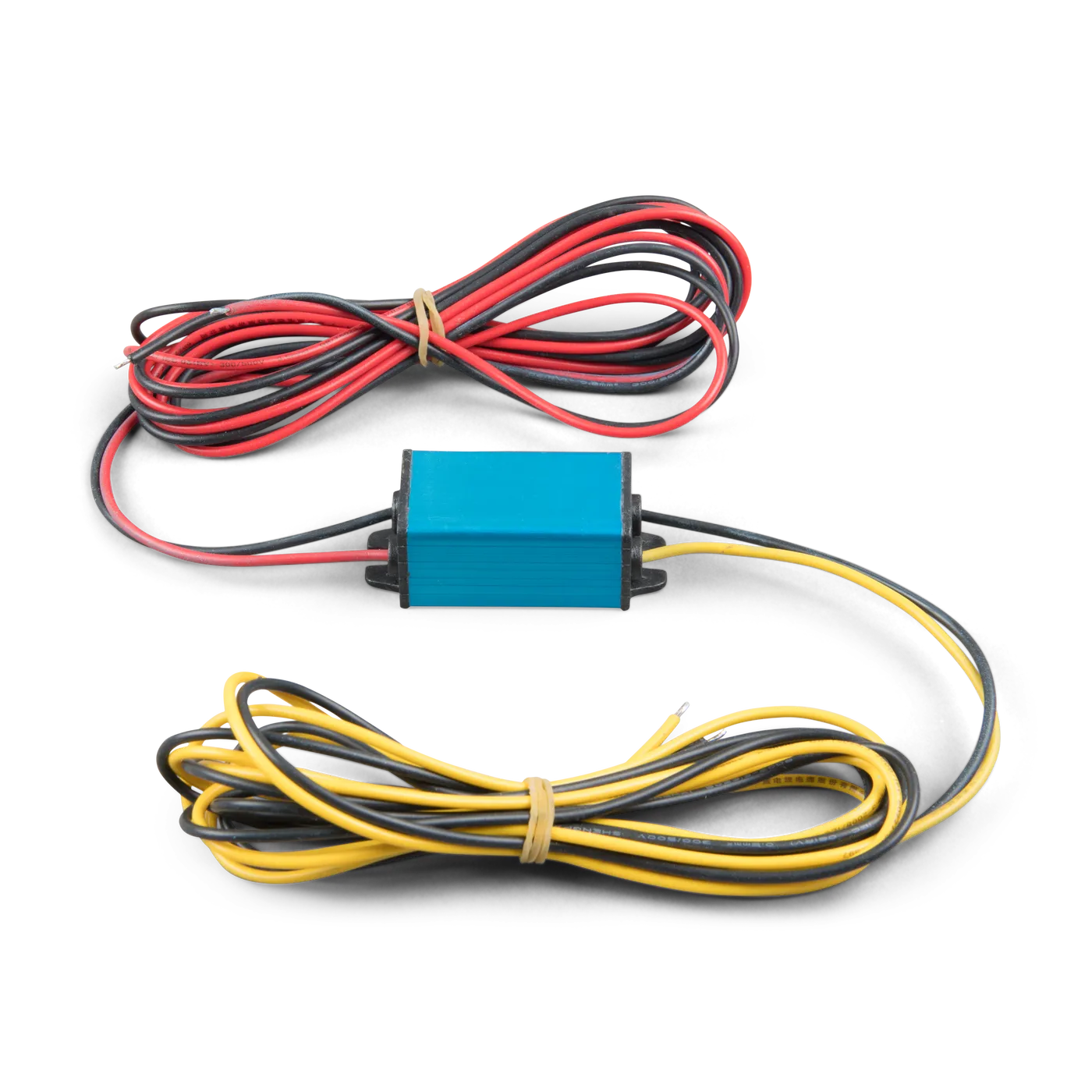
| Orion-Tr Smart (isolated) | DC-DC charger | Galvanically isolated charging between banks or voltages | $114.92 |
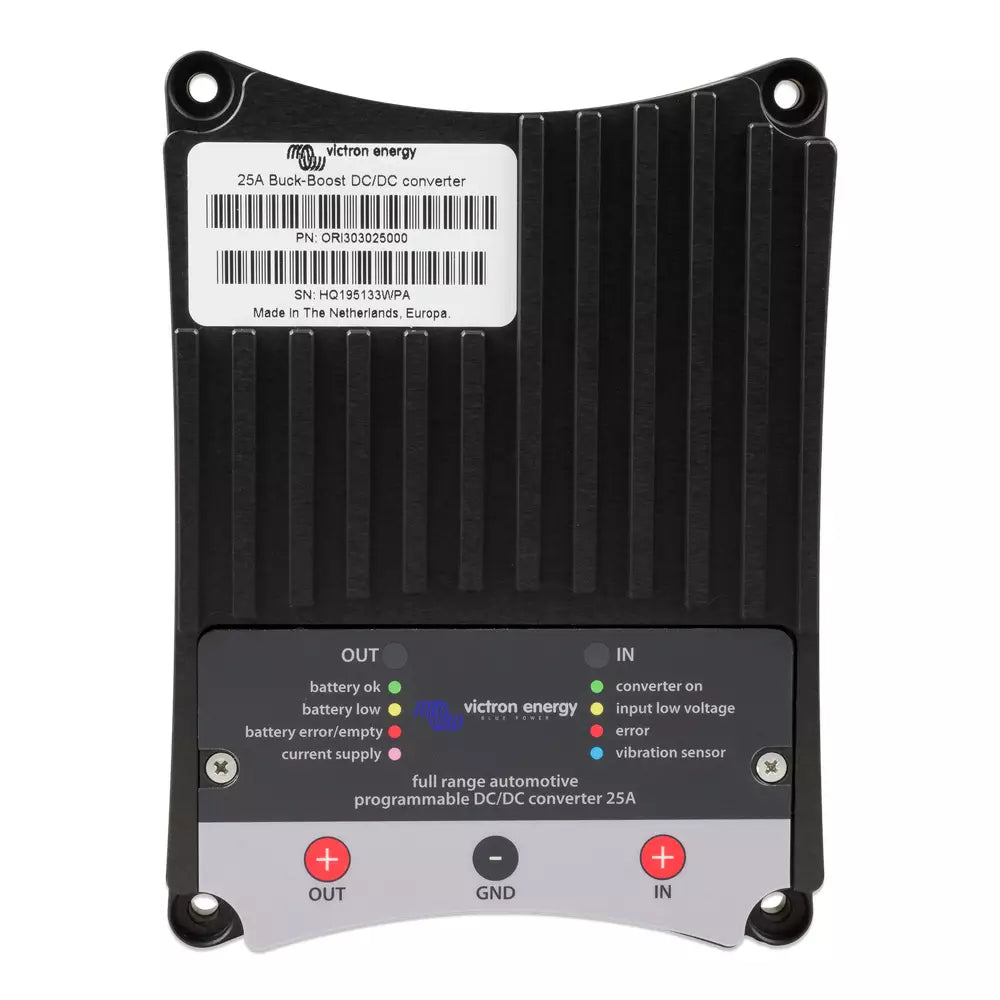
| Buck-Boost converter | Smart-alternator DC-DC | Euro vans & smart alternators that idle at odd voltages | $685.10 |
| Converting voltage (running loads) | |||
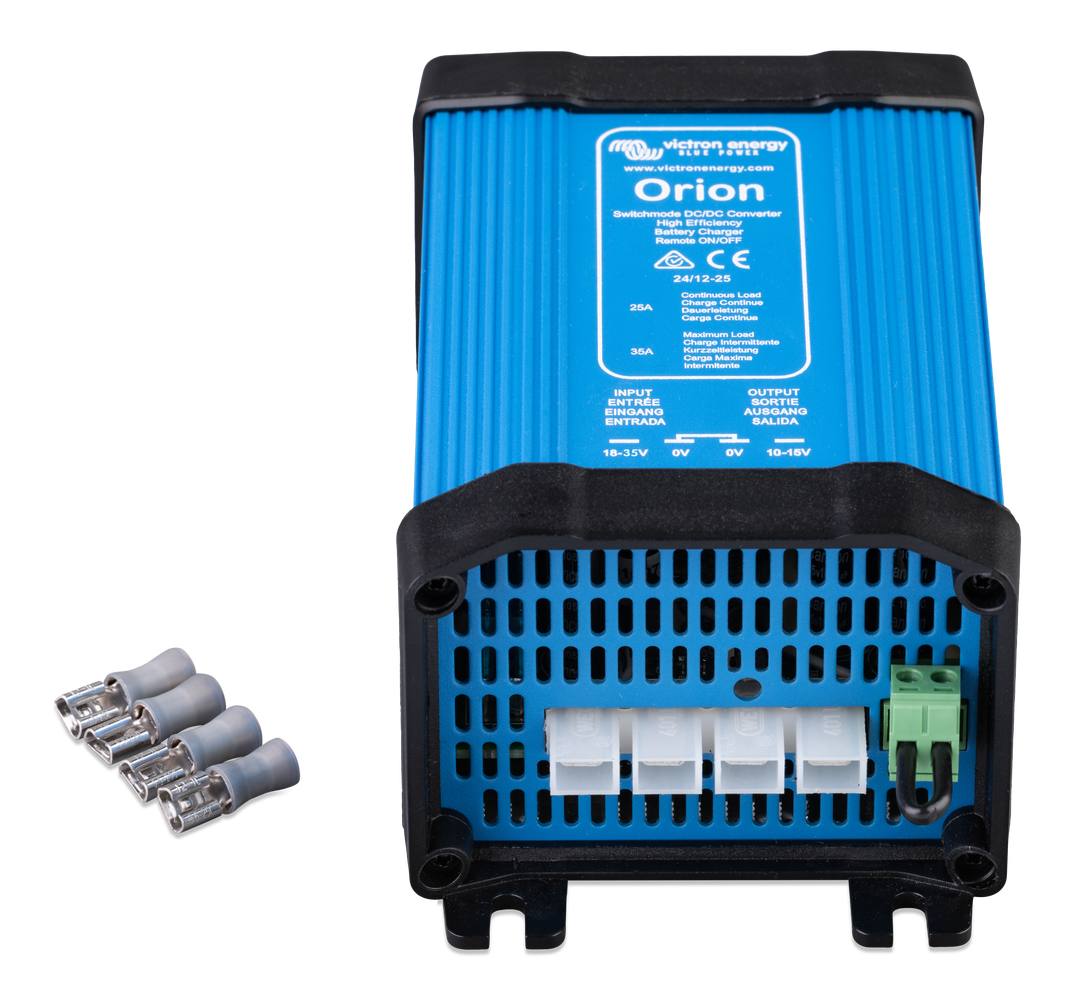
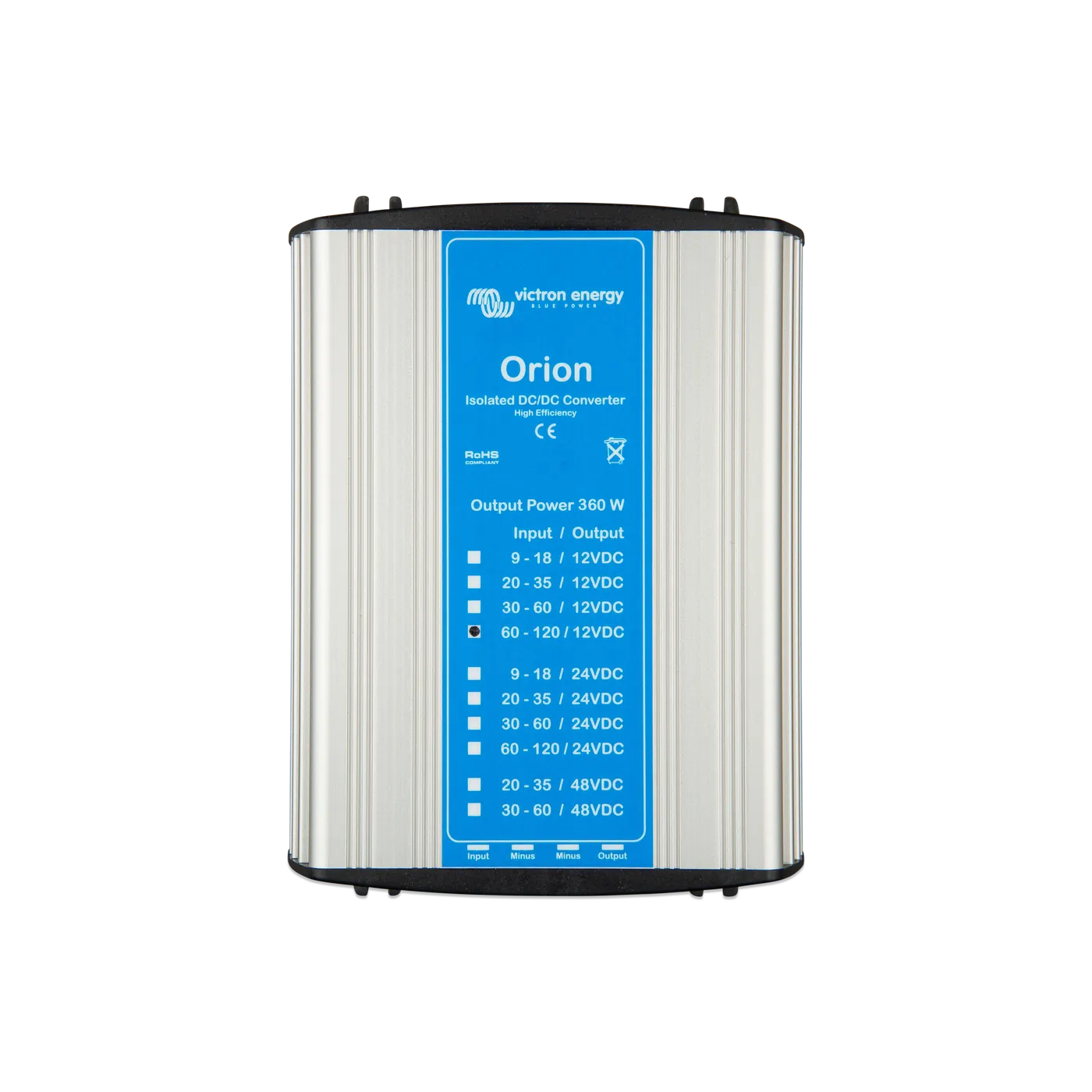
| Orion-Tr converters | DC-DC converter | Running 12V gear on a 24V/48V boat (and vice versa) | $54.95 |
| Orion high-power | Non-isolated converter | Big loads that need serious wattage between voltages | $53.55 |
| Charging electric-motor packs | |||
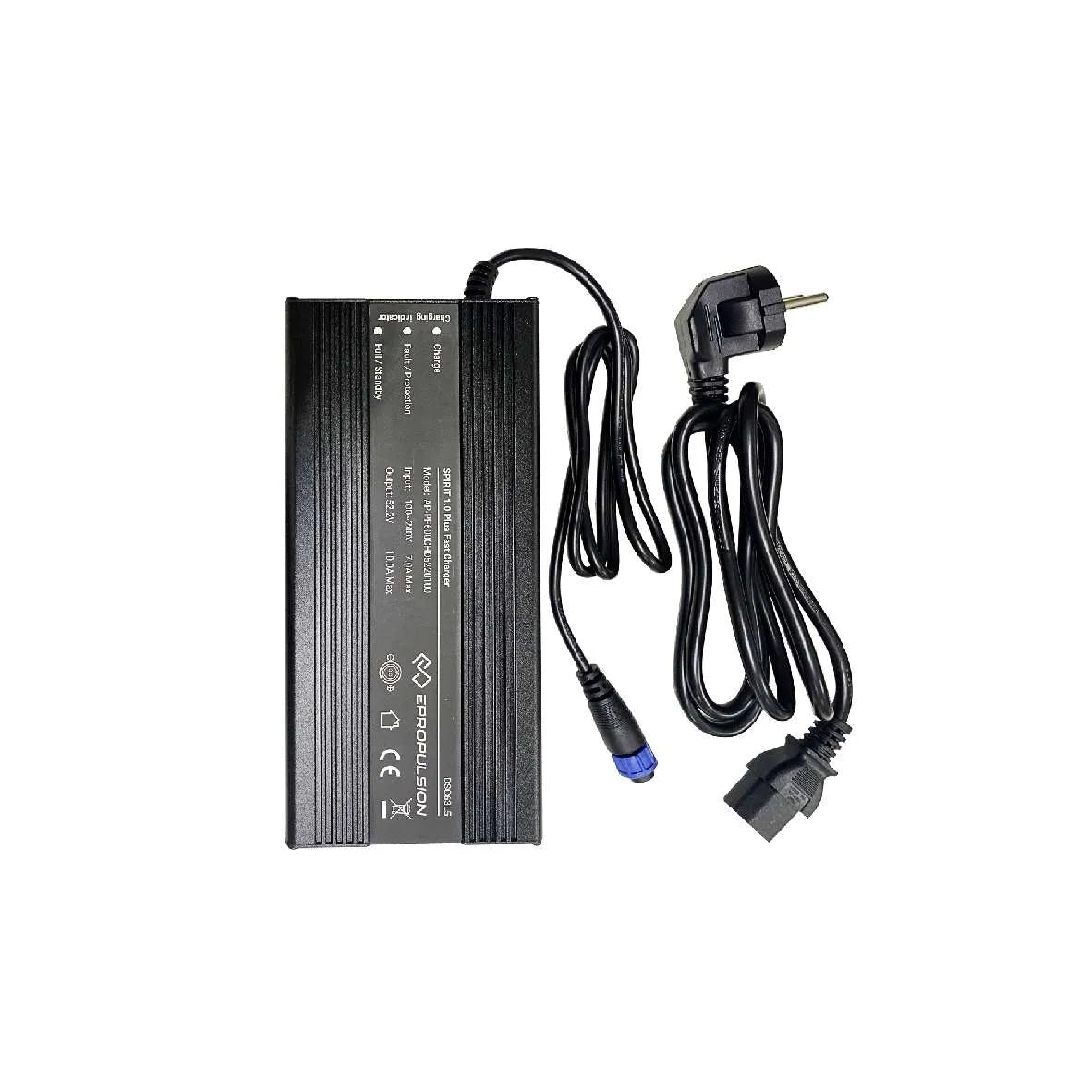
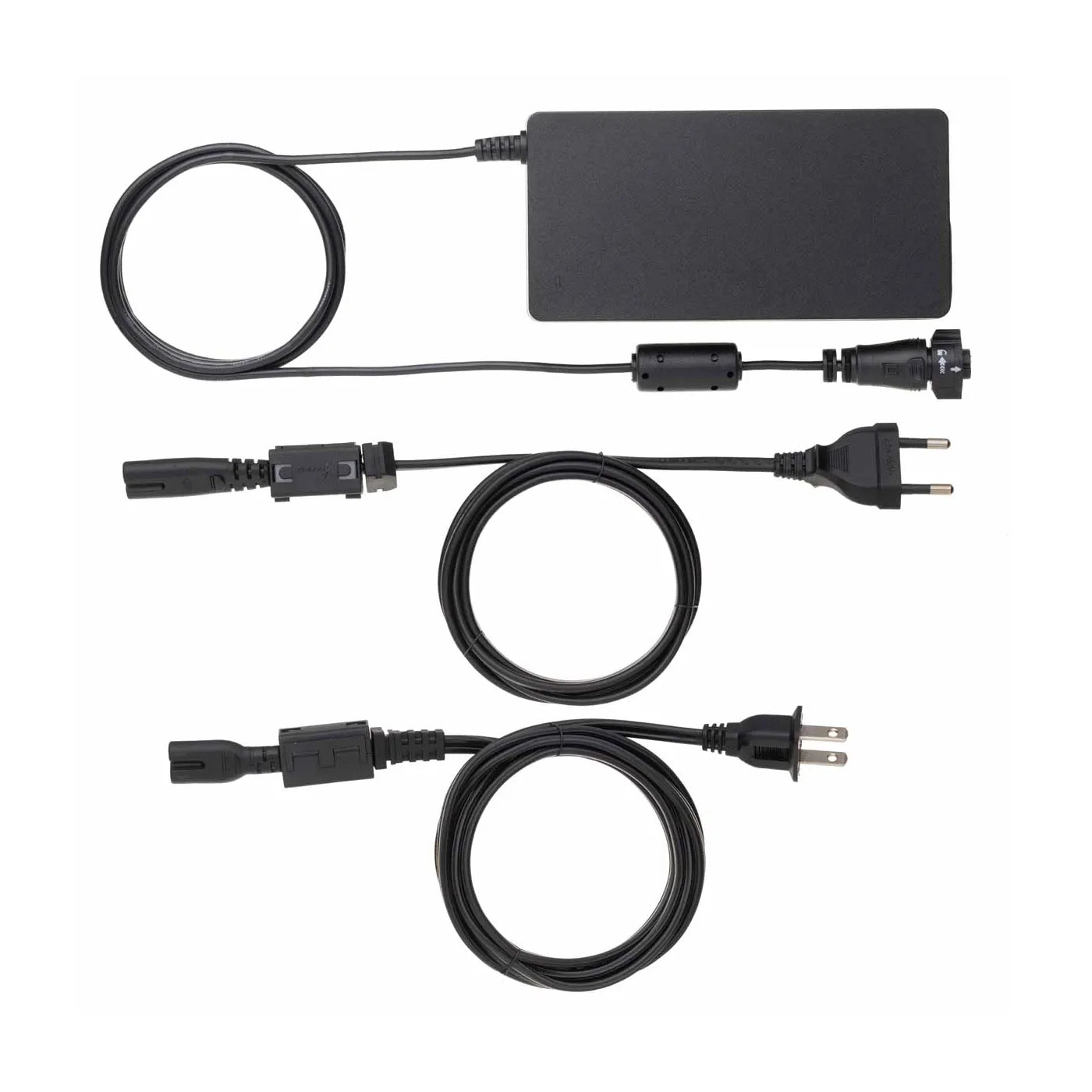
| ePropulsion Spirit fast charger | 520W pack charger | Same-day turnarounds for Spirit batteries | $317 |
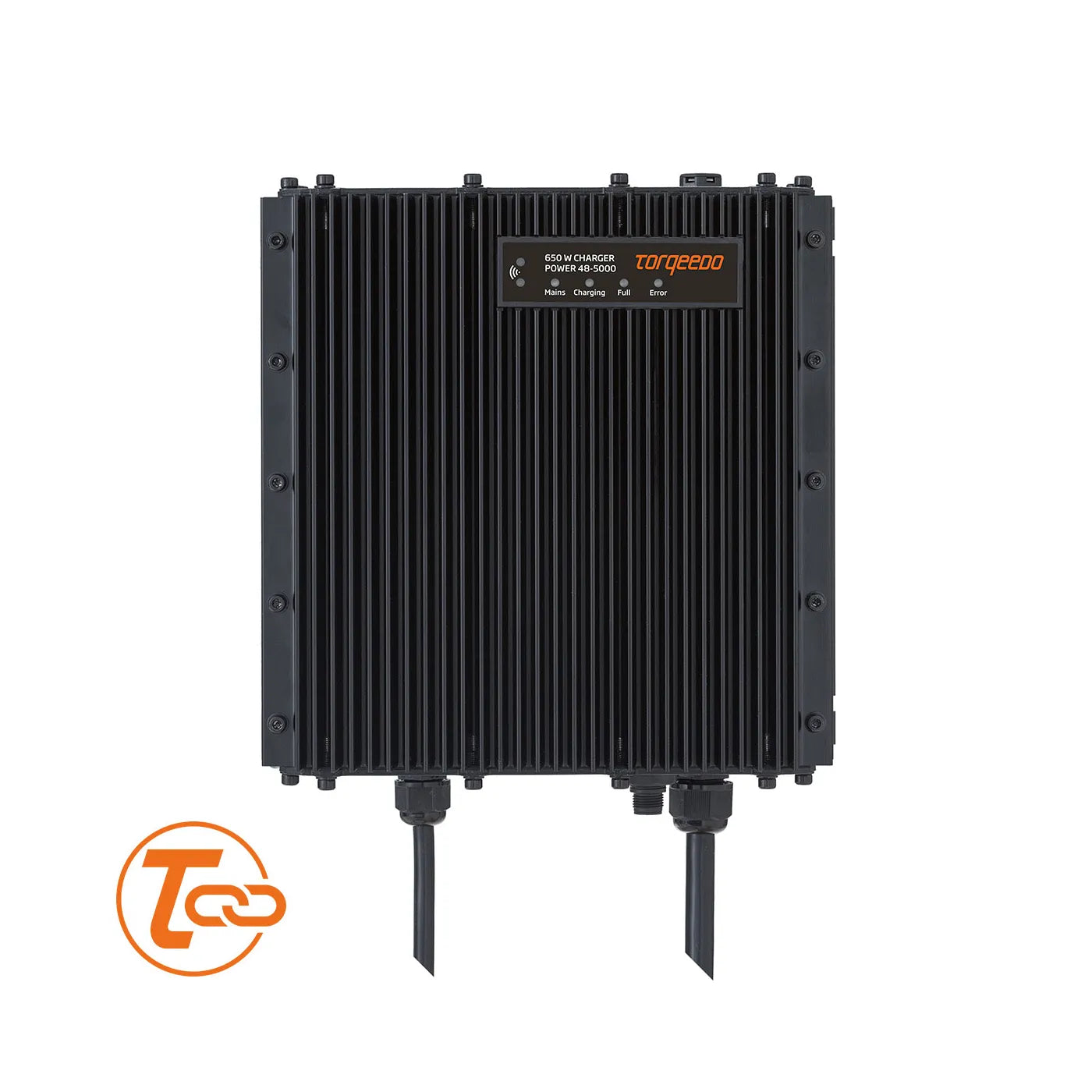
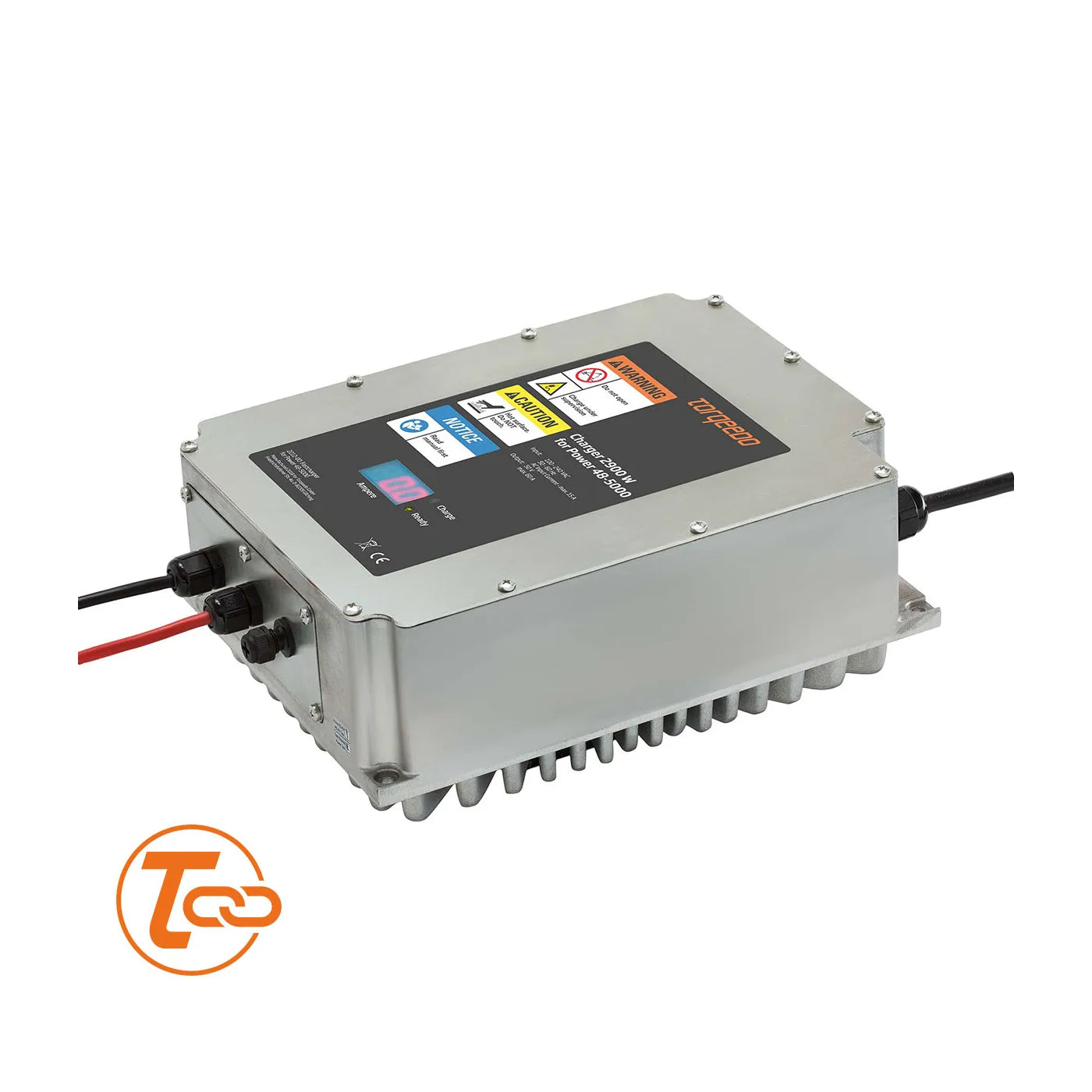
| Torqeedo chargers | Travel / Power packs | 180W Travel charging up to 2900W fast charging for Power 48 | $229 |
Looking for an inverter/charger that does both jobs in one box? That's the MultiPlus & Quattro family. Solar charging lives with the MPPT controllers, and pure output is under inverters.
How to choose, in three questions
Where the power comes from, what the battery wants, and how fast you need it back.
Where does the power come from?
Shore or wall power points you to an AC charger (Blue Smart, Phoenix Smart, Skylla). Engine running and charging a second bank? That's DC-DC territory (Orion). Just need 12V gear alive on a 24V system? A converter, not a charger. Naming the source settles half the decision.
What does the battery want?
Lithium wants the right profile and a current plan that won't cook your alternator — which is exactly why DC-DC chargers exist. Lead-acid is more forgiving but still rewards a proper multi-stage charge. Every charger here has selectable profiles; we'll confirm the right one for your bank.
How fast do you need it?
A common rule of thumb puts charger current around 10–20% of bank capacity — a 400Ah bank is happy near 40–60A. Motor packs are simpler: the standard charger suits overnight, the fast charger buys back your afternoon. Tell us your charging window and we'll size to it.
Why buy from Blue Marine
True Blue Victron distributor
Warranty and setup support handled by us, not a ticket queue.
ABYC-certified advisors
We match charger, bank, and alternator so nothing overheats or undercharges.
Free US shipping over $49
Fast shipping from Seattle and 60-day returns on non-lithium items.
Real people, real boats
Call (800) 628-6306 Mon–Sat.
Untangling a charging plan?
Tell us your banks, your charge sources, and your battery chemistry — we'll map which charger goes where, sized so everything charges fully without stressing an alternator or tripping a breaker.
Charging FAQ
Charger, DC-DC charger, converter — what's the difference?
A charger turns AC shore power into a proper multi-stage battery charge. A DC-DC charger takes power from one battery (usually the starter, fed by your alternator) and delivers a correct charge to another. A converter simply changes DC voltage to run loads — steady output, no charge stages. Same family, three different jobs.
Why can't my alternator just charge the lithium bank directly?
Lithium accepts current so eagerly that a direct connection can run an alternator at maximum output until it overheats — and the voltage it produces isn't an ideal lithium profile anyway. A DC-DC charger like the Orion XS limits the draw and delivers the right stages. Alternator saved, battery happy.
How many amps of charger do I need?
A common starting point is 10–20% of bank capacity in amp-hours — more if you count on short charging windows, less if the boat lives on shore power. Lithium tolerates faster charging than lead-acid, so the bank's chemistry matters too. Datasheets give each battery's maximum; we'll help you land the number.
Are these chargers lithium-compatible?
Yes — the Victron chargers here have selectable profiles including LiFePO4, and the app-connected models make switching easy. The motor-pack chargers are engineered for their specific packs. If your bank has a BMS that wants charge control, mention it and we'll spec the wiring.
Where are the inverter/chargers like the MultiPlus?
In their own collection — inverter/chargers — because they do two jobs: charge from shore power and invert to AC when unplugged, with a built-in transfer switch to swap between them. If your system centers on one box doing both, start there.