


Outfit boats, vans, or off-grid builds for a living? Van upfitters, RV shops, marine electricians, and solar installers get dealer pricing on Victron, Epoch & more. Get dealer pricing →
Canadian-built bifacial panels that earn their keep on the water
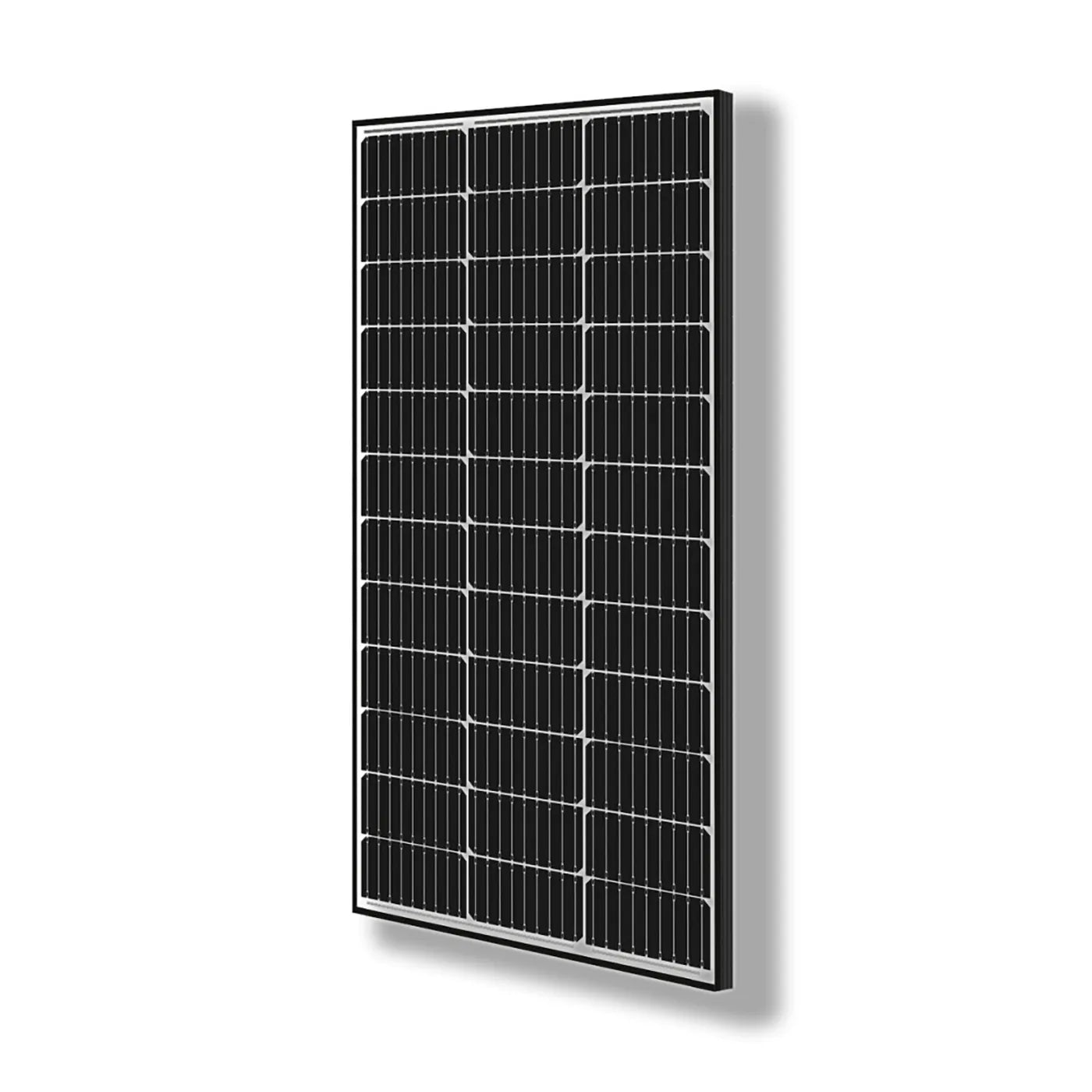
Lumera designs and assembles its panels in Surrey, British Columbia — wafers, tempered glass, frames, and connectors — and builds them for marine, RV, and off-grid duty. The bifacial cells harvest reflected light from the back side too, which is exactly what you want over water.
Swipe the table sideways to see every column →
| Panel | Type | Best for | From |
|---|---|---|---|
| Lumera 100W Bifacial | Rigid monocrystalline PERC | Topping up a battery at the slip or mooring; tighter deck spaces | $119.99 |
| Lumera 140W Bifacial | Rigid monocrystalline PERC | The middle path — more harvest without the full 220W footprint | $199 |
| Lumera 220W Bifacial | Rigid monocrystalline PERC | Serious daily harvest for cruisers, vans, and cabins | $199.95 |
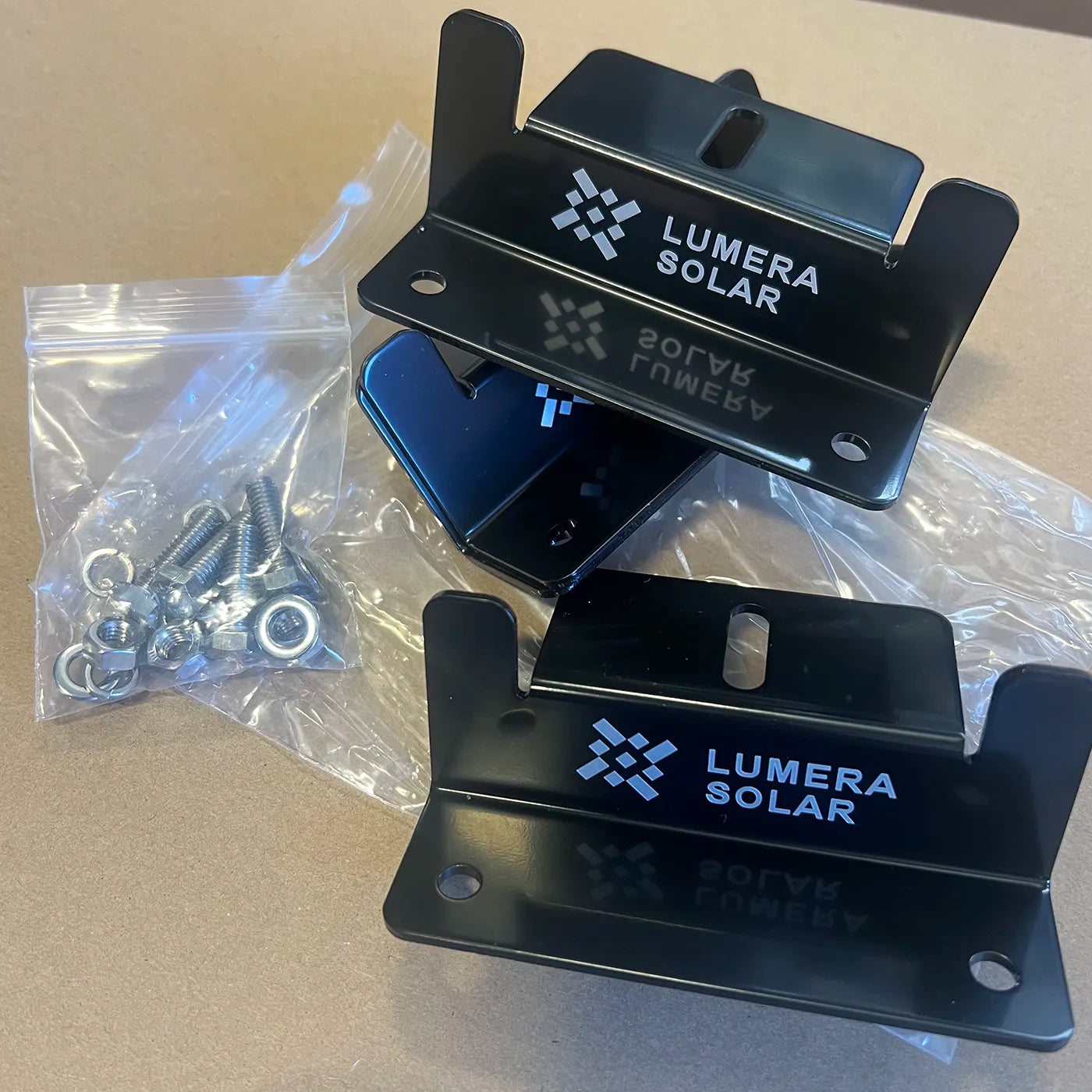
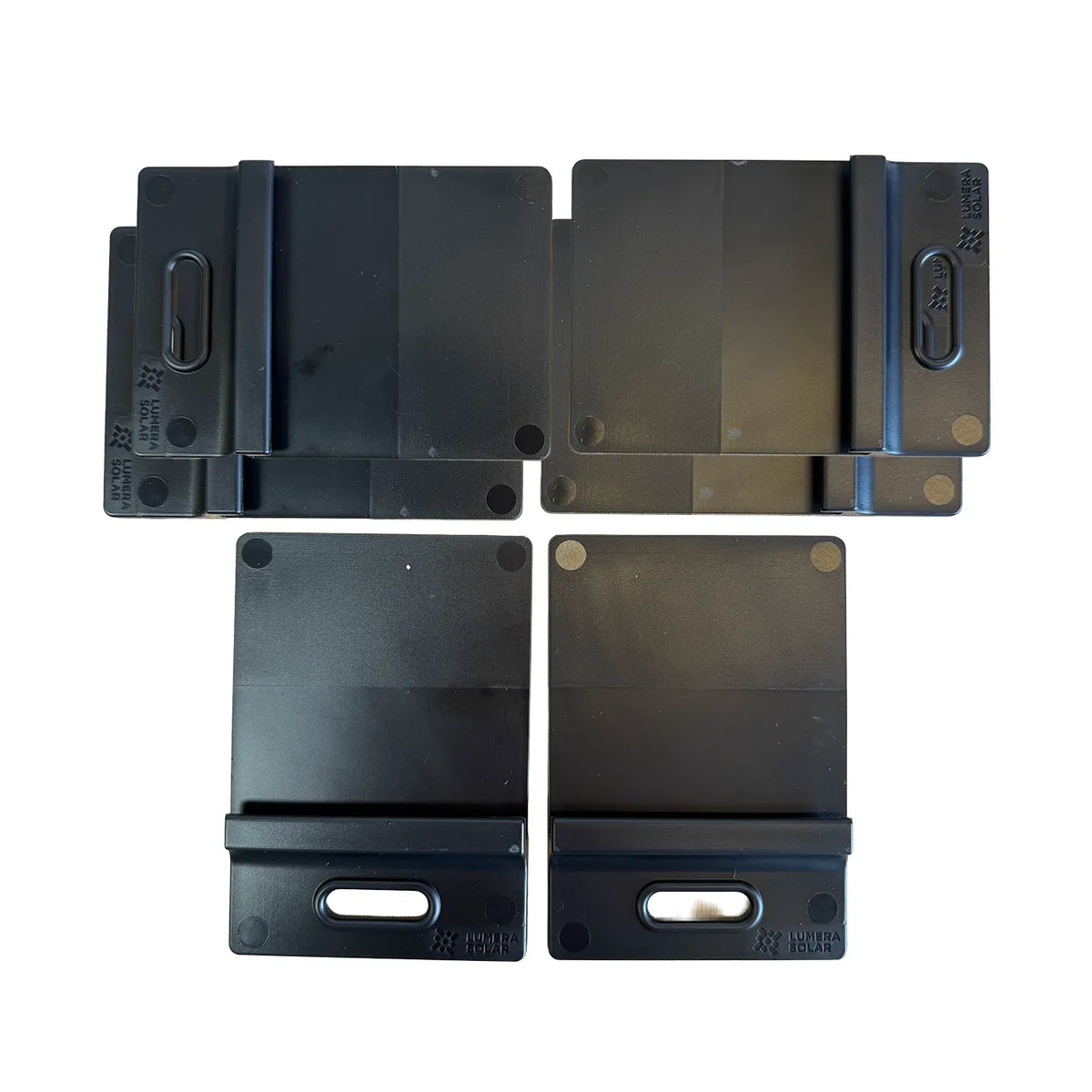
| Z-Bracket mounting kit | Mounting hardware | Fixing rigid panels to decks, roofs, and rails | $14.99 |
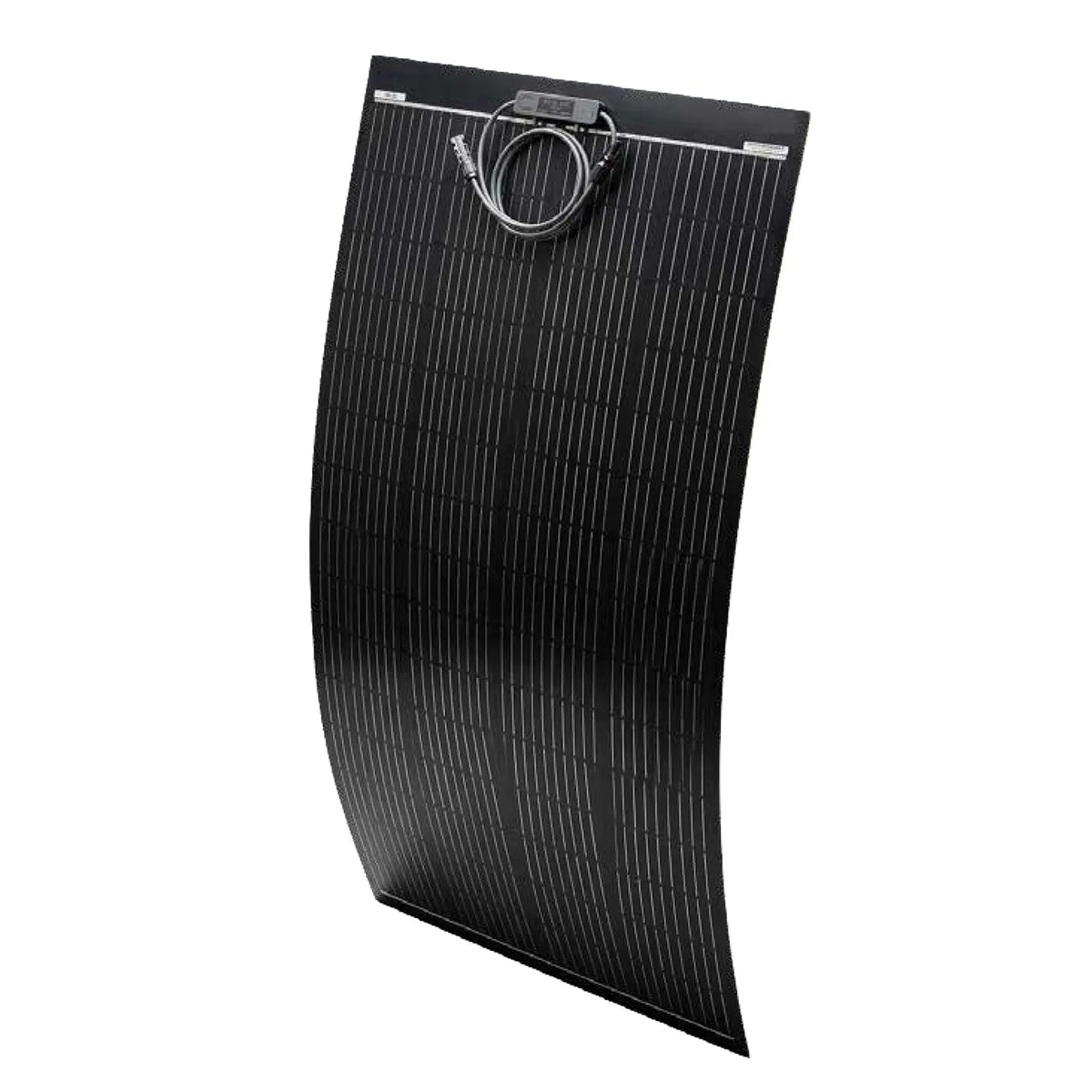
Every panel needs a charge controller matched to the array — see our MPPT range and solar cabling. Comparing panel styles? Sol-Go and SunPower cover the flexible side.
How to choose, in three questions
Wattage, voltage matching, and where bifacial actually pays off.
How many watts?
Start from your daily amp-hours and work back: a 220W panel in decent sun replenishes a healthy chunk of a weekend boat's usage, while bigger banks stack multiple panels. Deck space is usually the real constraint — measure first, then pick the largest panel that fits sensibly.
Match your panel voltages
Building an array? Use the same voltage version across all your panels — mixing versions complicates how they wire together in series or parallel. And your array voltage needs to sit comfortably above the battery bank's (about 5V higher) before the charge controller wakes up and starts charging.
Where does bifacial shine?
Over water, light decks, and any reflective surroundings — the rear face picks up bounced light for up to 30% more output in the right conditions. Mount them with some daylight behind (rails, elevated brackets) and the second face earns its keep; flat against a dark surface, less so.
Why buy from Blue Marine
Factory-backed warranty
5-year workmanship and 25-year performance coverage, supported by us.
ABYC-certified advisors
We size the array, wiring, and MPPT as one system around your bank.
Panels ship free in the US
Carefully packed from Seattle — shipping is built into panel pricing.
Real people, real boats
Call (800) 628-6306 Mon–Sat.
Sizing a solar setup?
Tell us your battery bank, your daily loads, and the space you've got — we'll spec the panels, the MPPT controller, and the wiring so the whole array actually delivers what the label promises.
Lumera Solar FAQ
What does 'bifacial' actually get me?
The cells harvest from both faces, so light reflecting off water, a light-colored deck, or snow adds output the front face alone would miss — up to 30% more in reflective environments. The gain depends on mounting: leave the rear face some exposure and it contributes; seal it flat against a dark roof and you mostly have a very good monofacial panel.
Can I mix different Lumera panels in one array?
Keep every panel in a system on the same voltage version — that keeps series and parallel wiring clean and lets the array behave predictably. If you're adding to an existing array, tell us what you have and we'll confirm what pairs with it before you buy.
Why isn't my controller charging in the morning?
A solar charge controller typically needs the panel array to sit about 5V above battery voltage before it starts charging. Low sun, flat panel angles, or an array wired to a marginal voltage can keep you under that line longer than you'd expect — often the fix is series wiring or panel placement, not new hardware. We can diagnose it from your setup details.
How durable are these in marine conditions?
Lumera builds for exactly this: tempered glass, marine-grade framing, and every panel passes visual, electrical, and robotics-inspected testing before it ships. Coverage backs it up — 5-year workmanship and 25-year performance warranties, with us handling support.
What else do I need for a working system?
A charge controller sized to the array (see our MPPT range), MC4 cabling to the controller, appropriate fusing, and mounting — the Z-bracket kit covers rigid-panel installs. One consult and we'll list every part for your exact boat or rig.