
Outfit boats, vans, or off-grid builds for a living? Van upfitters, RV shops, marine electricians, and solar installers get dealer pricing on Victron, Epoch & more. Get dealer pricing →
Build a clean, protected DC backbone
The Lynx system gives you a modular busbar to join batteries, inverters and loads — and the right fuse protects every cable run. Here's how the pieces fit.
Swipe the table sideways to see every column →
| Lynx module | What it adds | Best for | From |
|---|---|---|---|
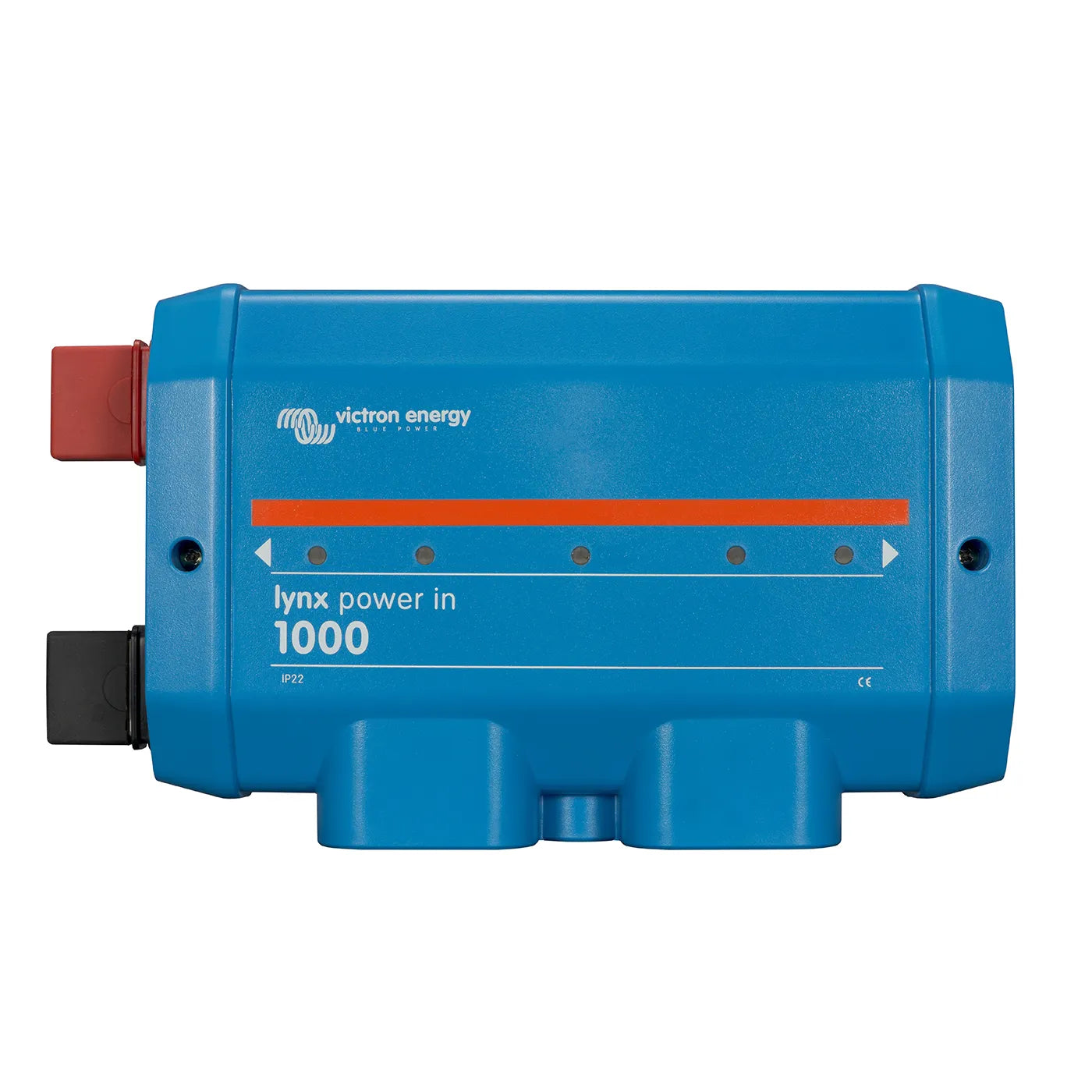
| Lynx Power In | Unfused busbar to tie batteries together (Class-T version available) | The battery-paralleling backbone | $155.55 |
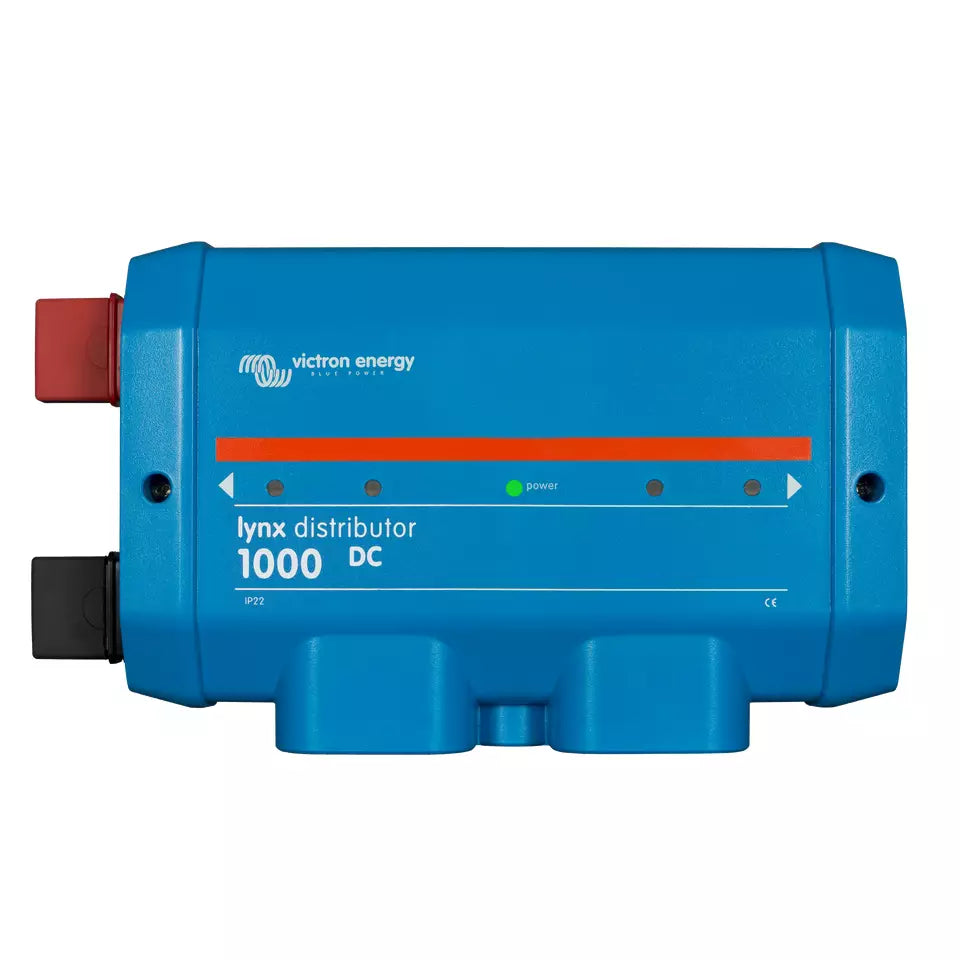
| Lynx Distributor | Fused busbar with per-circuit fuse monitoring | Distributing to multiple fused loads | $232.90 |
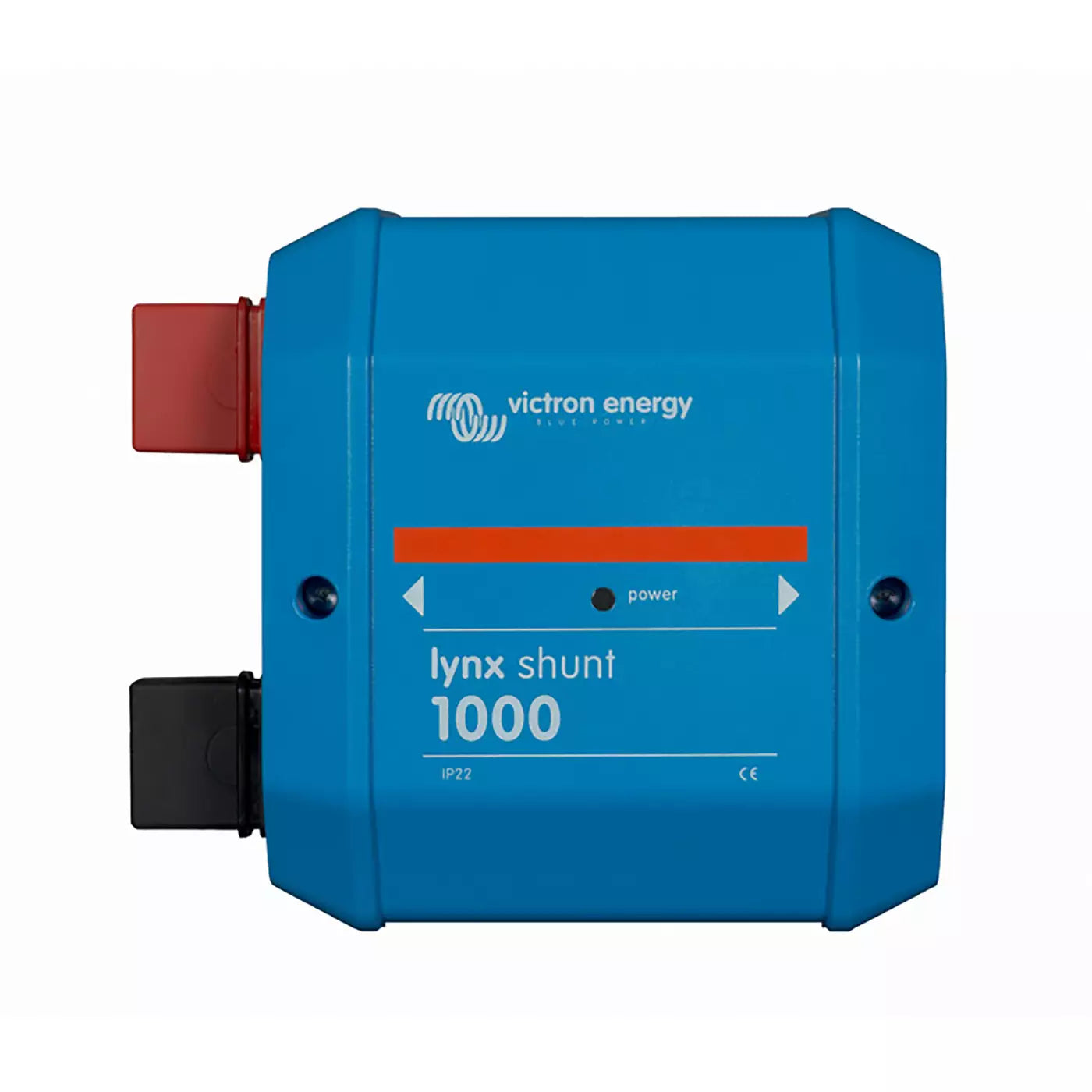
| Lynx Shunt VE.Can | Busbar + battery monitor + main fuse holder in one | Monitoring the whole bank at the bus | $295.30 |
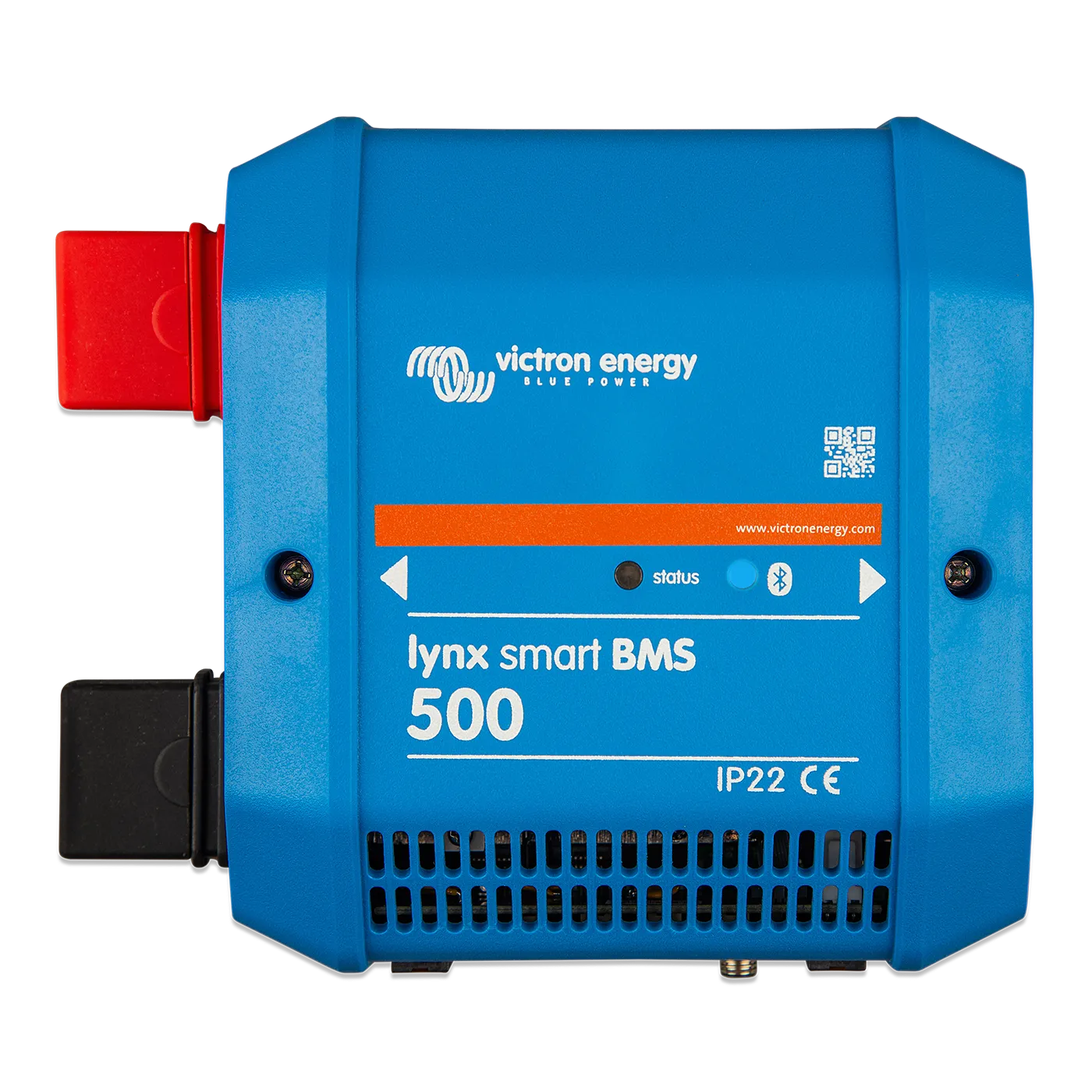
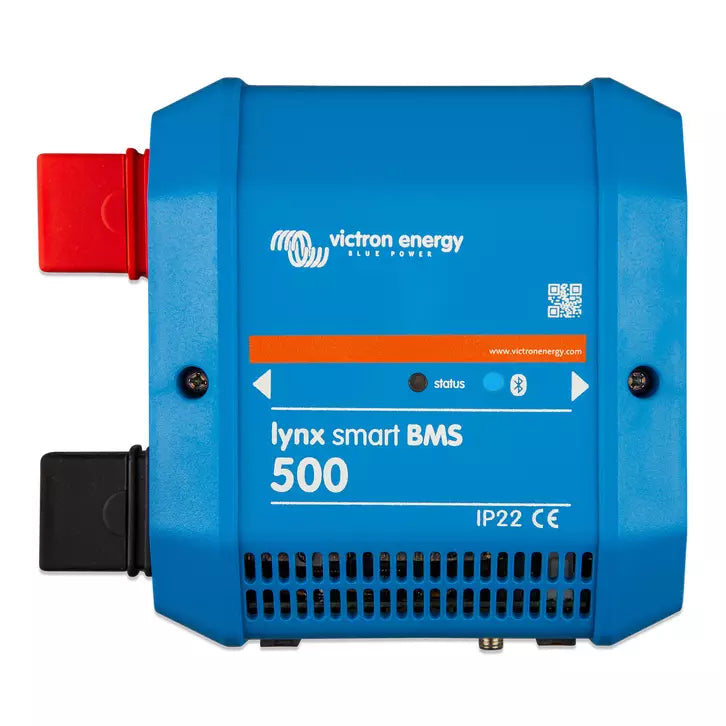
| Lynx Smart BMS / BMS NG | Busbar with a built-in lithium BMS, contactor and monitoring | Victron Smart Lithium / Lithium NG banks | $764.15 |
Lynx modules bolt side-by-side into one continuous bus. For a lithium bank, the BMS ties in here; size your cables on the cables page.
Fuse finder →
| Fuse | Range | Typical use | From |
|---|---|---|---|
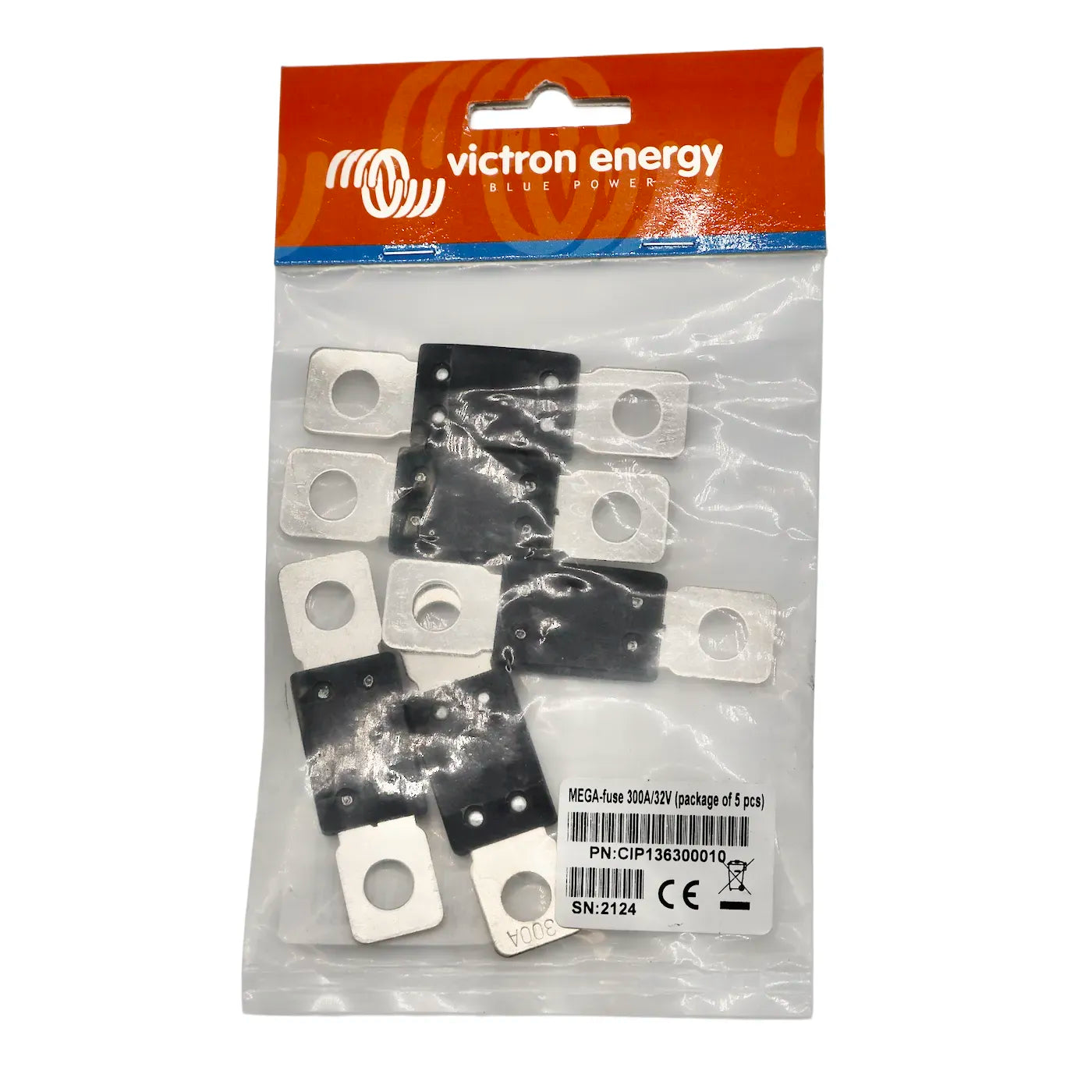
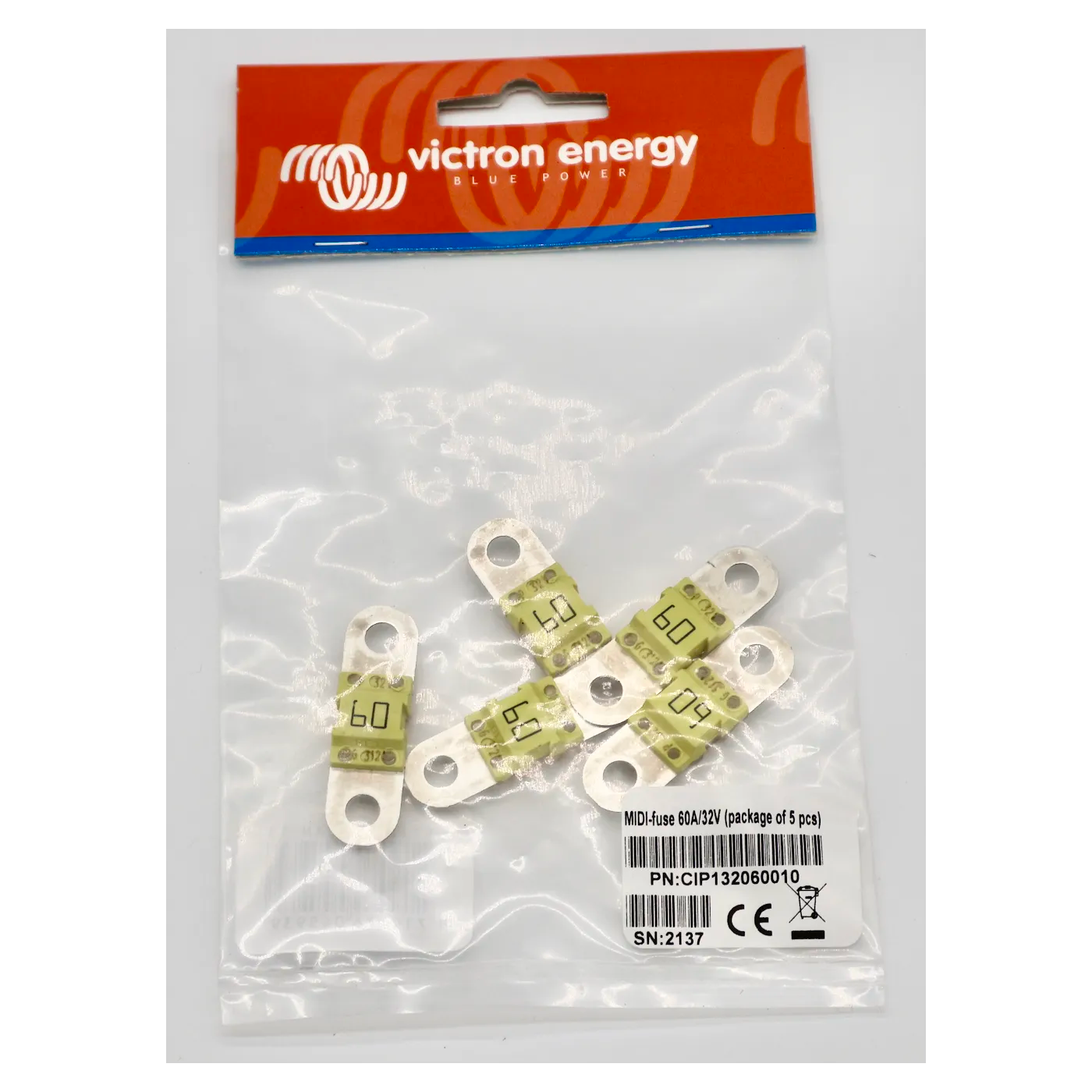
| MIDI-Fuse | 30–200A | Compact branch and accessory protection | $4.25 |
| MEGA-Fuse | 40–500A | Main battery and inverter cable runs | $15.30 |
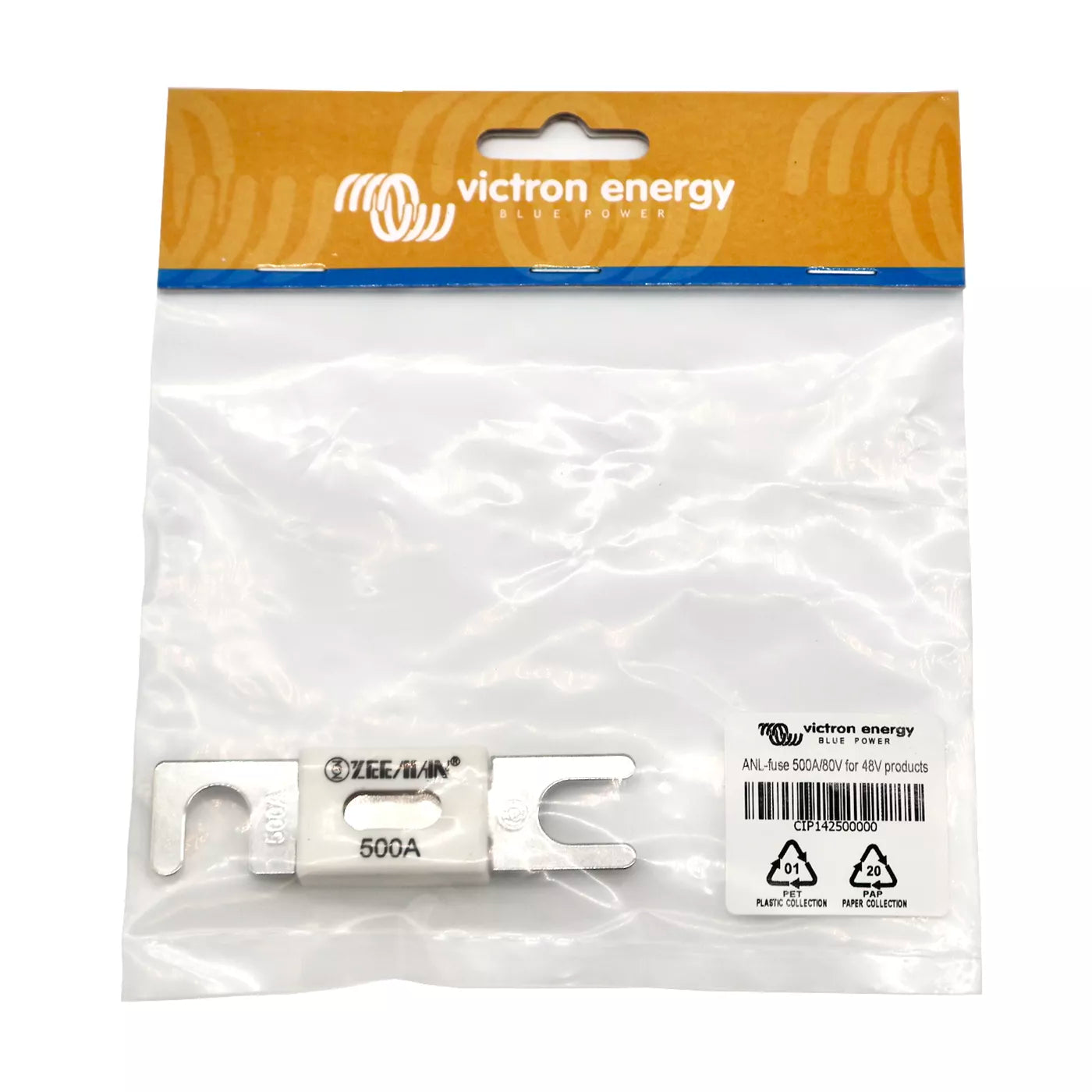
| ANL-Fuse | 300–500A (80V) | High-current 48V system protection | $6.80 |
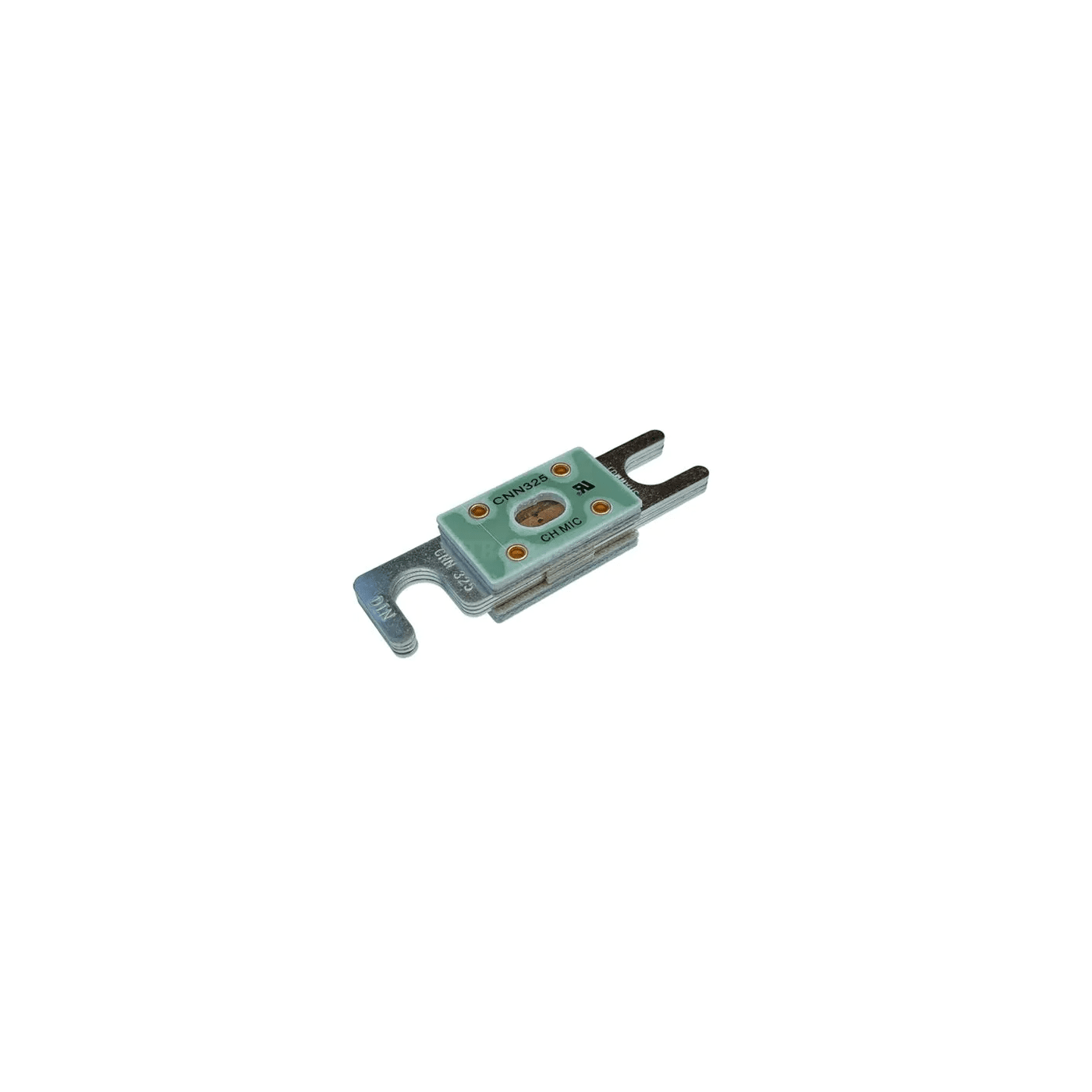
| CNN 325A/80V | 325A | Replacement main fuse for the Lynx Shunt | $44.20 |
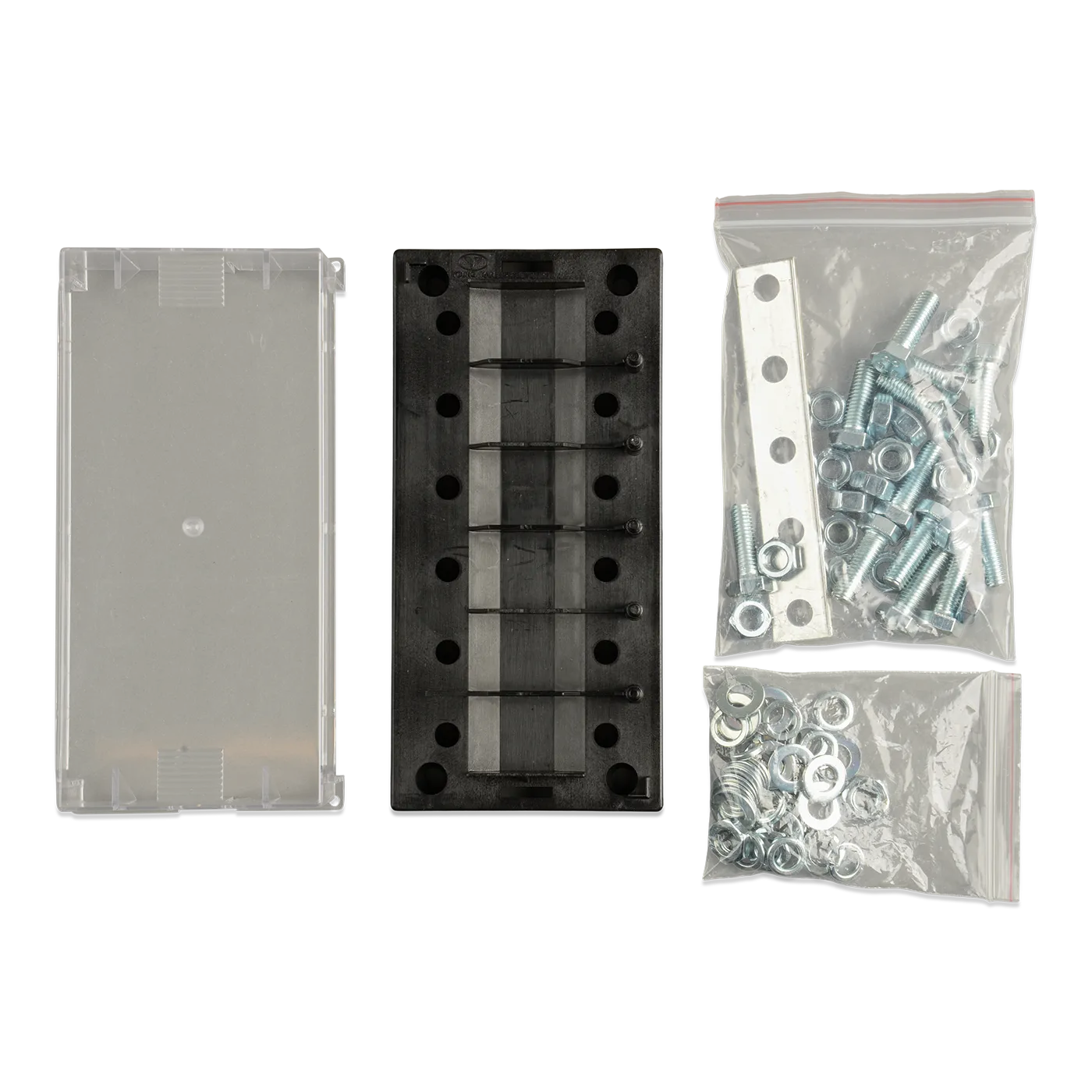
Mounting several MEGA-fuses? The six-way fuse holder with busbar tidies branch protection. Running an MG Energy bank? See the MG Distributor LV.
Three things worth knowing first
What the Lynx system is, how to size a fuse, and why lithium banks ask for Class-T.
What a Lynx system is
Lynx is a modular DC busbar — each module (Power In, Distributor, Shunt, Smart BMS) bolts to the next to form one continuous, high-current bus. Instead of a tangle of lugs on a stud, you get a tidy backbone where batteries, inverter/chargers and loads all land, with fusing and monitoring built in.
How to size a fuse
A common approach is to place a fuse close to each power source and rate it above the circuit's continuous current but below the cable's safe ampacity — so the fuse blows before the wire ever overheats. Match the fuse's voltage rating to your system (12/24/48V) and follow ABYC practice. Not sure? We'll size it with you.
Why lithium likes Class-T
Lithium banks can deliver enormous fault current, so many installers protect them with a high-interrupt fuse such as Class-T. Victron's Lynx Class-T Power In and the Lynx Smart BMS are built with this in mind. Always follow your battery maker's fusing guidance.
Why buy your DC gear from Blue Marine
True Blue Victron distributor
Warranty and setup support handled by us, not a ticket queue.
ABYC-certified advisors
We size fuses and busbars to your cables and loads — safe and to code.
Free US shipping over $49
Fast shipping from Seattle and 60-day returns on non-lithium items.
Real people, real boats
Call (800) 628-6306 Mon–Sat.
Planning your DC backbone?
Send us your bank voltage, inverter size and cable runs — we'll lay out the Lynx modules and fuses so everything lands clean and protected.
DC distribution & fuses FAQ
What is the Lynx system?
It's Victron's modular DC busbar. Each module — Lynx Power In, Distributor, Shunt and Smart BMS — bolts to the next to make one continuous high-current bus. You add only the modules you need, so batteries, inverter/chargers and loads share a clean, fused, monitored backbone instead of a stack of lugs.
MEGA, MIDI, ANL or CNN — which fuse?
MIDI fuses (30–200A) suit compact branch and accessory circuits; MEGA fuses (40–500A) handle main battery and inverter runs; ANL fuses cover high-current 48V systems; and the CNN 325A is the specific main fuse for the Lynx Shunt. Pick by the current you need and the system voltage.
What amperage fuse do I need?
Size it to the circuit and cable: a common approach is to rate the fuse above the continuous current the circuit draws but below the cable's safe ampacity, so it protects the wire. Match the fuse voltage rating to your system. We're happy to size it with you on a quick call.
Why do lithium banks call for a Class-T fuse?
Lithium batteries can dump very high fault current in a short, so installers often use a high-interrupt-rating fuse like Class-T that can safely break that current. Victron's Lynx Class-T Power In and Lynx Smart BMS are designed around this. Always follow your battery manufacturer's fusing guidance.
Do I need a main battery fuse?
It's standard practice to protect the main positive cable with a fuse as close to the battery as practical, so a short circuit blows the fuse rather than the wiring. The Lynx Shunt and Lynx Smart BMS include a main fuse position; otherwise a MEGA or Class-T fuse in a holder does the job.
Lynx Shunt or a separate SmartShunt?
Both monitor the battery. The Lynx Shunt builds the monitor, busbar and main fuse into the DC backbone, which is tidy on a Lynx system. A standalone SmartShunt is the simpler, lower-cost choice when you're not building a full Lynx bus.