
Outfit boats, vans, or off-grid builds for a living? Van upfitters, RV shops, marine electricians, and solar installers get dealer pricing on Victron, Epoch & more. Get dealer pricing →
Diesel-quiet is over. This is quieter.
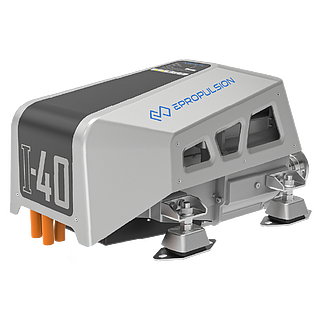
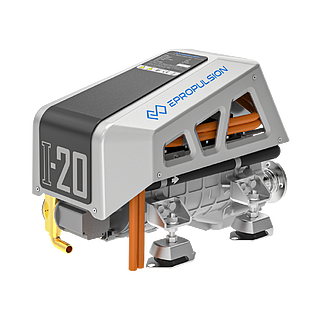
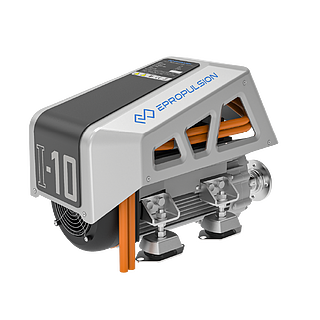
ePropulsion's I-Series inboards bring 96V electric power to displacement hulls and repowers — 10 to 40 kW of smooth, near-silent thrust with no fuel, no fumes, and very little maintenance.
Swipe the table sideways to see every column →
| Motor | Power | System | Best for | From |
|---|---|---|---|---|
| ePropulsion I-10 | 10 kW | 96V eSSA | Smaller displacement hulls, day boats and launches | $6,899 |
| ePropulsion I-20 | 20 kW | 96V eSSA | Mid-size cruisers and heavier day boats | $8,624 |
| ePropulsion I-40 | 40 kW | 96V eSSA | Larger cruisers and serious diesel repowers | $10,924 |
All three run on ePropulsion's 96V eSSA platform — pair them with the G-Series 96V battery and shared eSSA controls. Prefer power under the hull or on the transom? See our pod drives and electric outboards.
How to plan an inboard repower, in three questions
Power, batteries, and the practical bits of getting it in the boat.
How much power?
Hull type, displacement, and how you actually use the boat matter more than any horsepower label. A common starting point: the I-10 suits smaller displacement hulls, the I-20 mid-size cruisers, and the I-40 boats that previously ran larger diesels. Send us your boat's specs and we'll run the numbers with you.
What about batteries?
The I-Series runs on ePropulsion's 96V eSSA ecosystem, built around the G-Series LiFePO4 battery. Your cruising speed and range goals set the bank size — more capacity means more hours on the water. Displacement speeds sip power; pushing hull speed drinks it.
Will it fit my boat?
Repowers are very doable — the I-Series is compact compared to the diesel it replaces — but shaft coupling, mounts, and cooling all deserve a plan before parts arrive. We're happy to talk through your engine bay, and to work with your yard or installer directly.
Why buy from Blue Marine
Authorized ePropulsion dealer
Warranty and setup support handled by us, not a ticket queue.
ABYC-certified advisors
We size the motor, battery bank, and charging plan around your actual boat.
Free US shipping over $49
Fast shipping from Seattle and 60-day returns on non-lithium items.
Real people, real boats
Call (800) 628-6306 Mon–Sat.
Thinking about repowering?
Tell us your hull, your old engine, and how you use the boat — we'll map the right I-Series motor, battery bank, and charging setup, and give you an honest read on range before you spend a dollar.
Electric inboard FAQ
What is the eSSA platform?
eSSA is ePropulsion's 96V electric propulsion ecosystem — motors, G-Series LiFePO4 batteries, controls, and displays engineered to work as one system. The I-Series inboards, X-Series outboards, and eSSA POD drives all share it, so the components integrate cleanly instead of being pieced together.
Which battery do these motors use?
The ePropulsion G-Series 96V LiFePO4 battery is the matched pack for the I-Series. Bank size is the main range decision: more batteries, more hours. We'll help you size it around your typical day on the water.
How far can I go on a charge?
Honest answer: it depends on hull, weight, speed, and battery bank. The pattern that holds for every electric boat — at displacement speeds you can cruise for hours, while pushing to hull speed multiplies draw dramatically. Tell us your boat and cruising style and we'll give you a realistic range estimate, not a brochure number.
Can I replace my diesel with one of these?
That's exactly what the I-Series is built for. The motor is far smaller and lighter than the diesel it replaces, which leaves room for batteries. Shaft coupling, motor mounts, and cooling need to be planned per boat — we're glad to work through it with you or directly with your yard.
What maintenance does an electric inboard need?
Dramatically less than a diesel — no oil changes, no fuel filters, no impellers to swap every season, no winterizing the fuel system. You'll still care for the shaft, stuffing box or seal, anodes, and battery system like any well-kept boat.