

Outfit boats, vans, or off-grid builds for a living? Van upfitters, RV shops, marine electricians, and solar installers get dealer pricing on Victron, Epoch & more. Get dealer pricing →
Know what's happening aboard — even when you're not
RuuviTags are small Finnish-built Bluetooth sensors that watch temperature, humidity, and more — in the fridge, the engine room, the cabin. Read them on your phone, or pair them with a Victron GX device and see the whole boat on one dashboard. Our RuuviTag + Victron guide and install video →
Swipe the table sideways to see every column →
| Device | Measures | Best for | From |
|---|---|---|---|
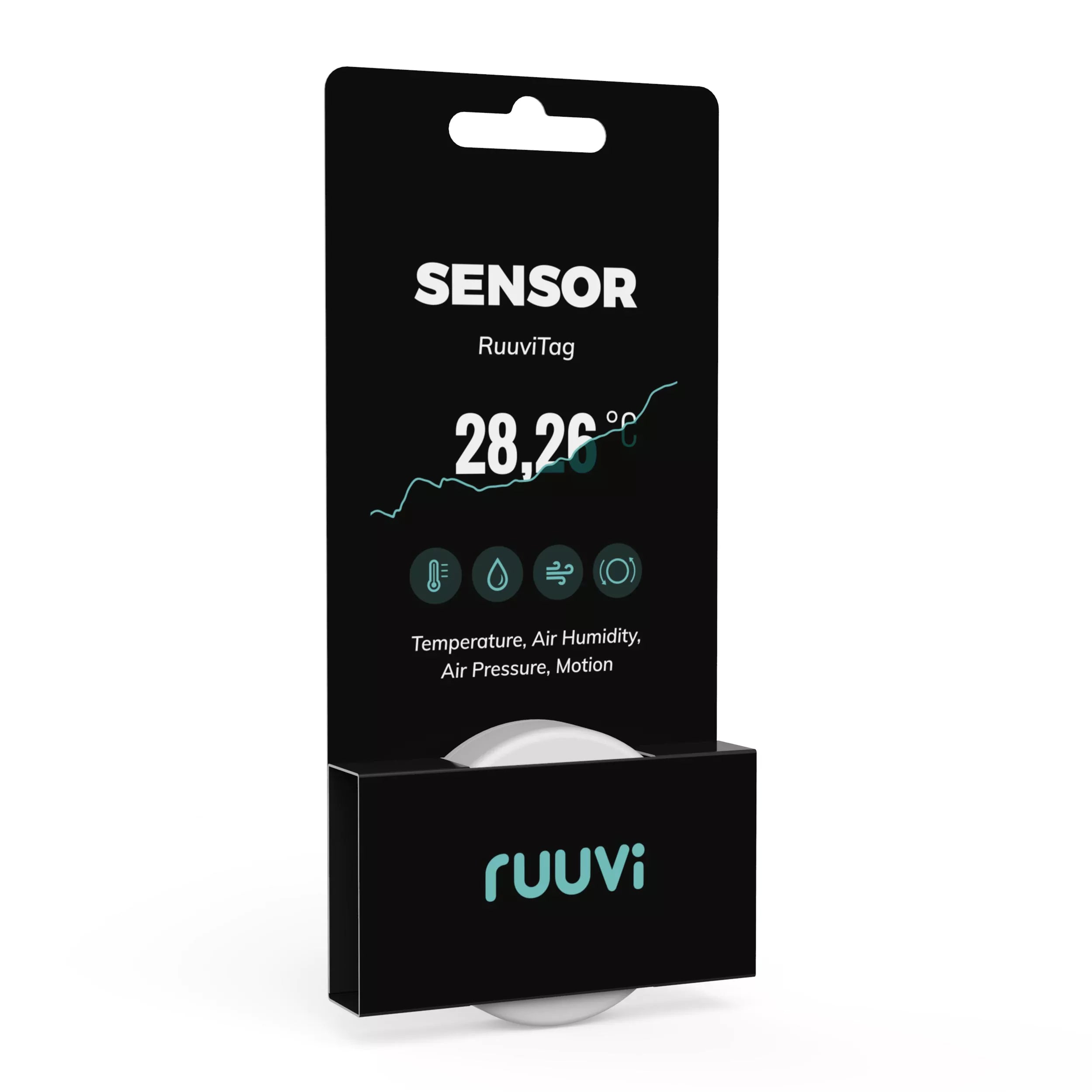
| RuuviTag 4-in-1 | Temperature, humidity, pressure, motion | The all-rounder for cabins, fridges, and storage | $39.49 |
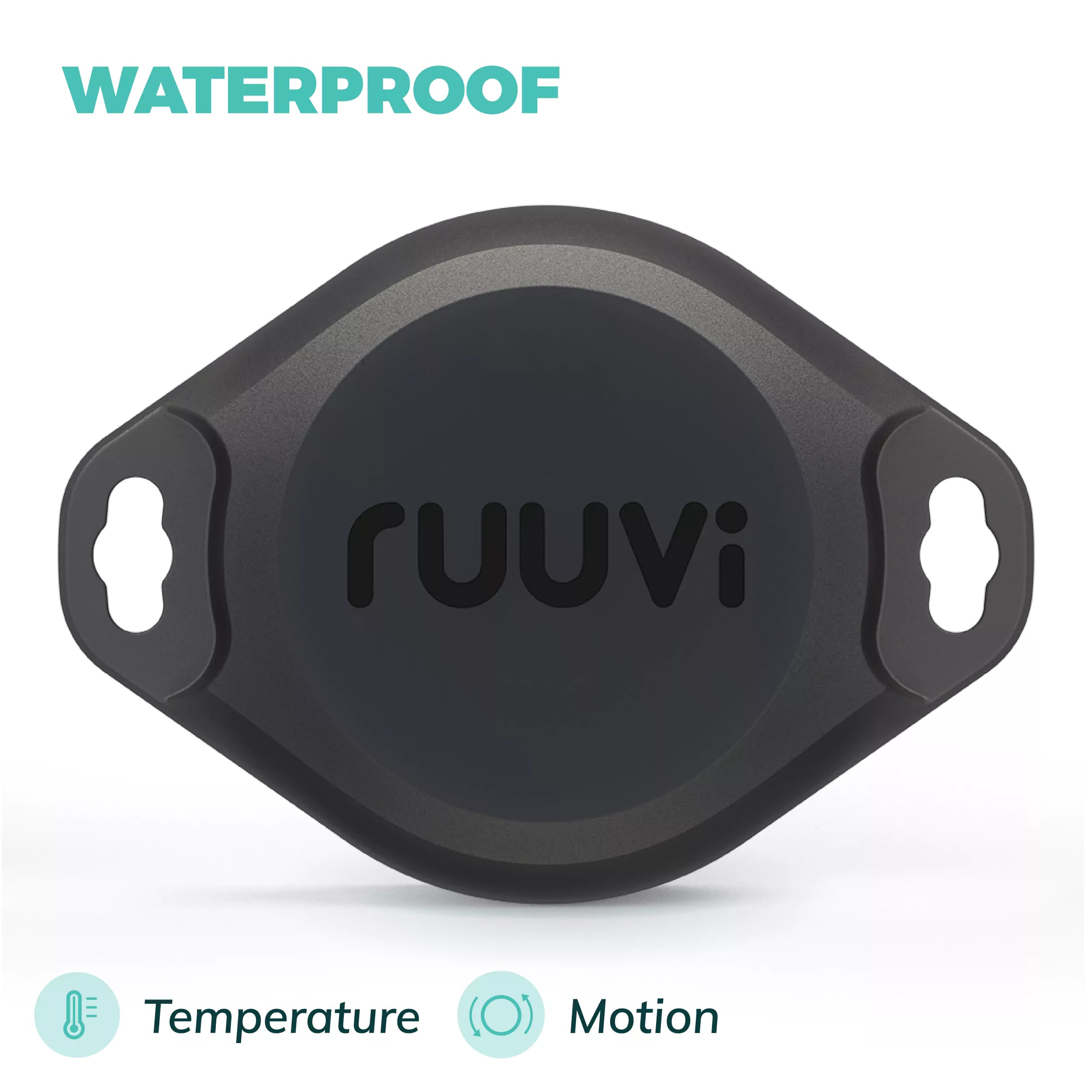
| RuuviTag Pro 2-in-1 | Temperature + motion, fully sealed | Wet locations — bilges, decks, iceboxes | $49.41 |
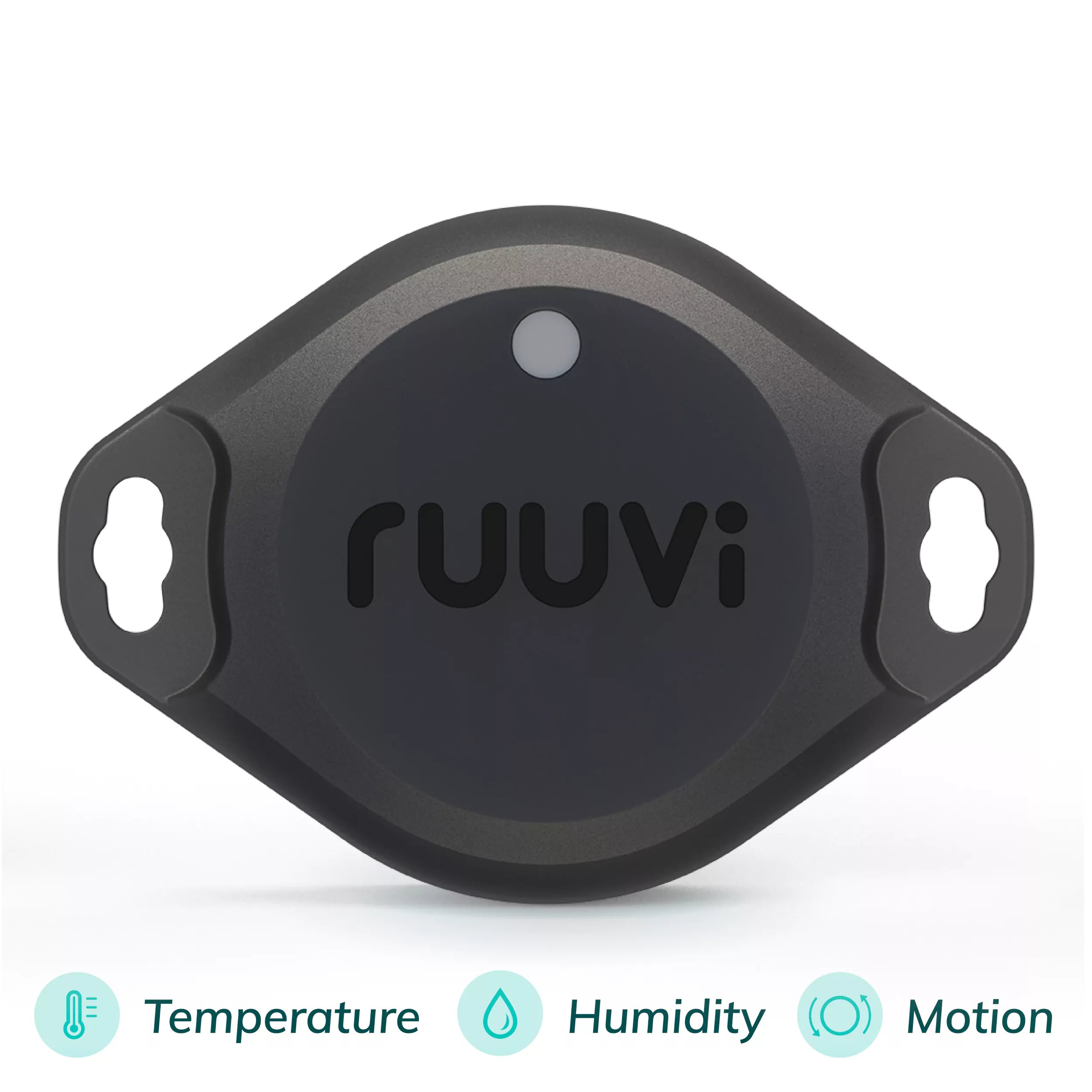
| RuuviTag Pro 3-in-1 | Temperature, humidity, motion | Rugged monitoring where humidity matters | $49.49 |
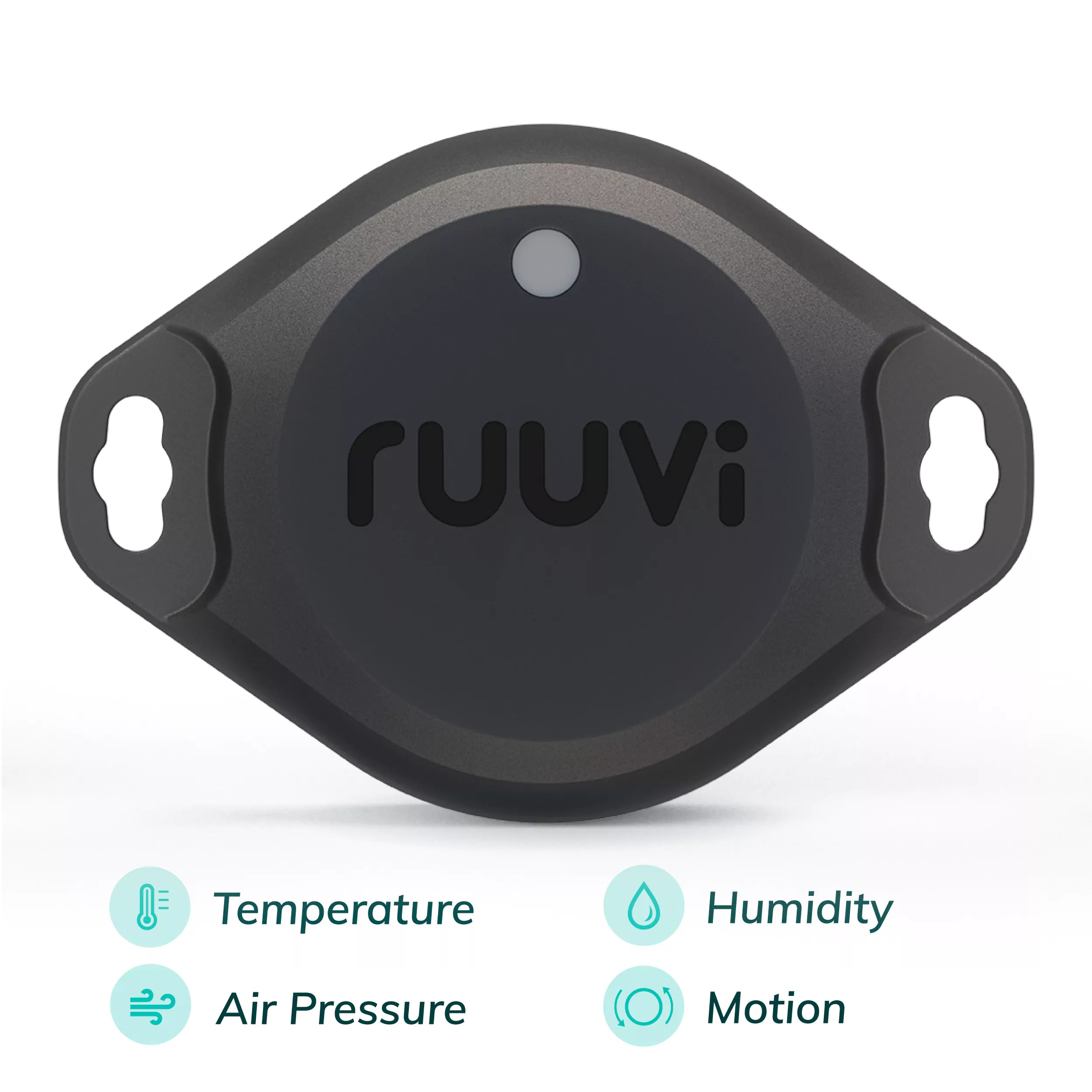
| RuuviTag Pro 4-in-1 | All four, breathable membrane | Full data in demanding environments | $55.49 |
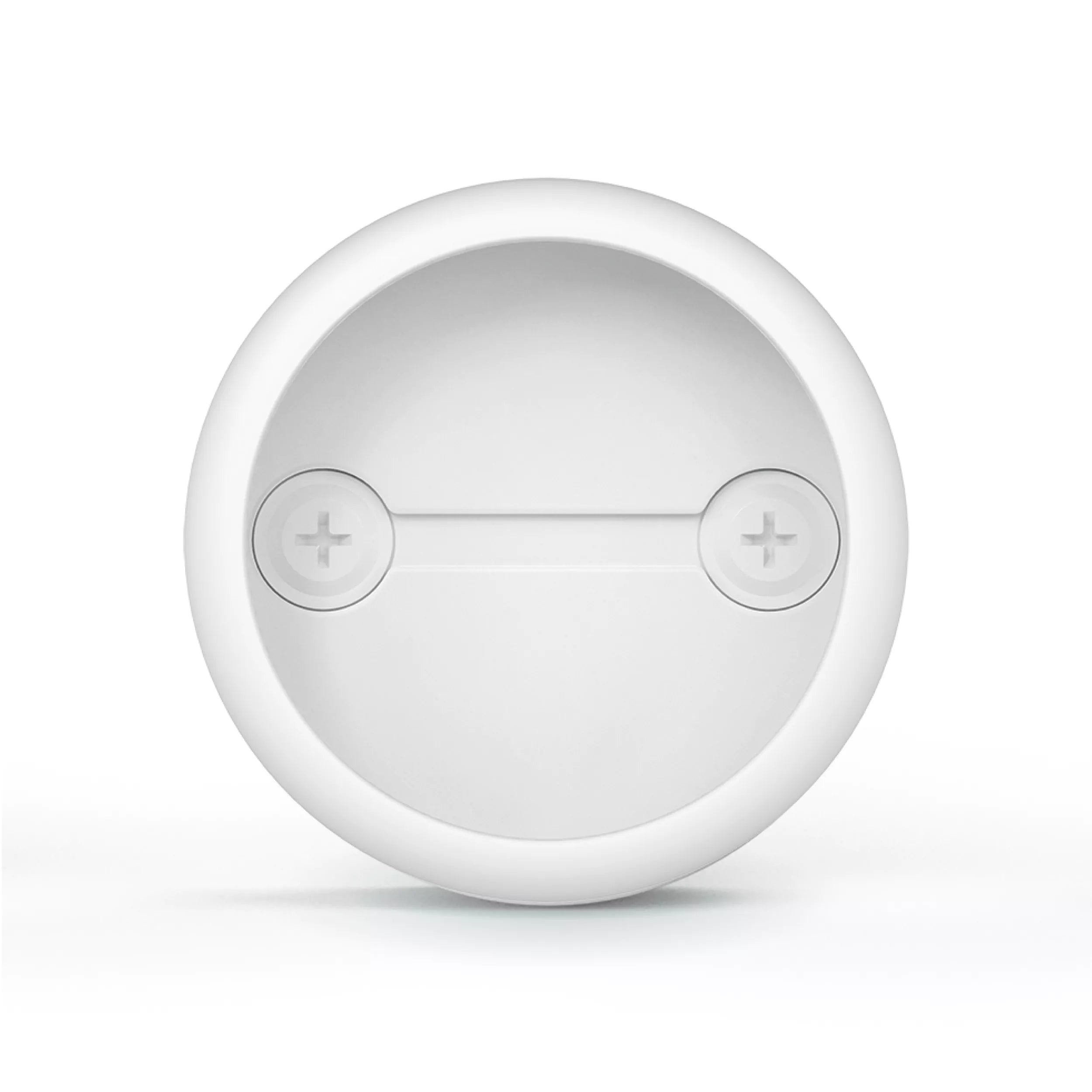
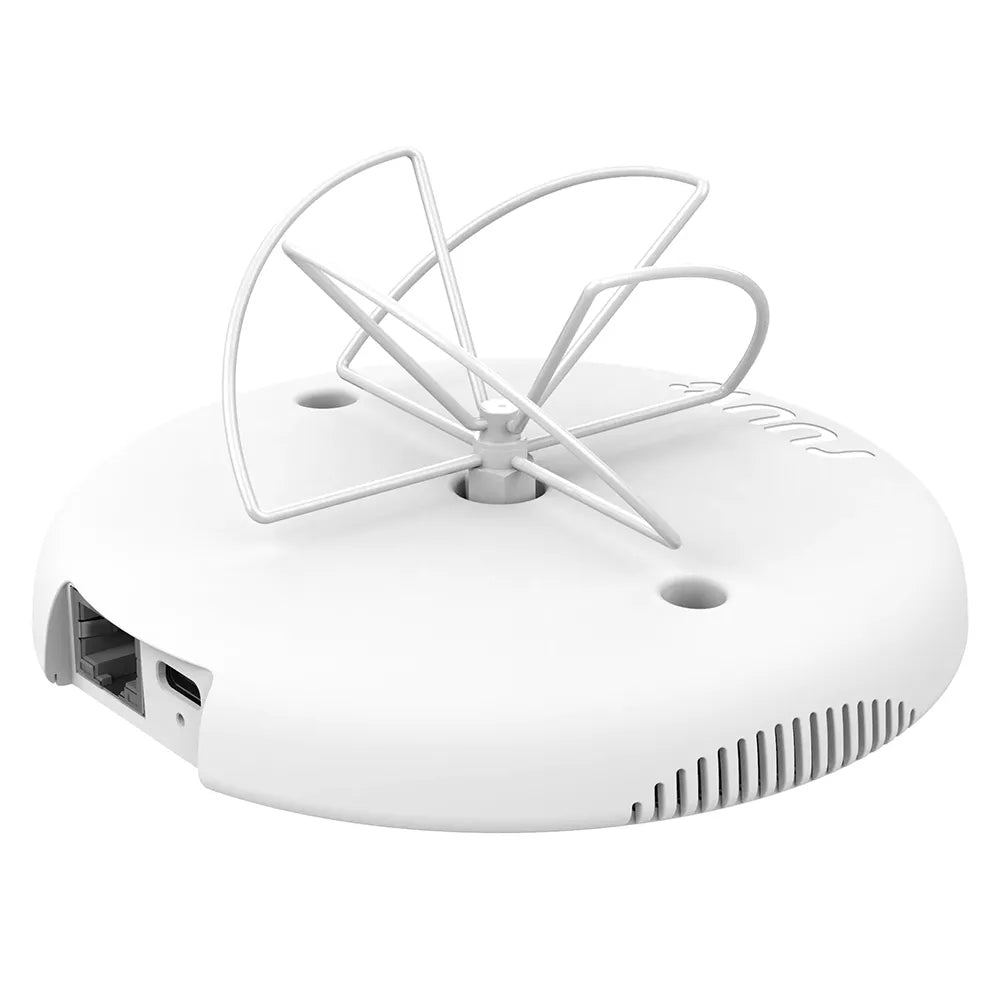
| Ruuvi Gateway | — (router) | Reading your sensors from anywhere via the internet | $199 |
Dress them up or mount them down with the silicone case and stand. Running Victron? The pairing guide for Cerbo GX and Ekrano GX lives here: RuuviTag + Victron monitoring.
How to choose, in three questions
Which sensor, whether you need the Gateway, and how Victron fits in.
Which tag for which spot?
Dry interior spaces are 4-in-1 territory — full data at the friendliest price. Anywhere water reaches, choose the sealed Pro 2-in-1. Want humidity tracking in rough places, the Pro 3-in-1; want everything including pressure, the breathable Pro 4-in-1. Most boats end up with a small fleet.
Phone, GX, or Gateway?
Within Bluetooth range, the free Ruuvi app reads everything. Aboard a Victron boat, a Cerbo GX or Ekrano GX picks the tags up and puts temperatures on your system dashboard — and into VRM. Away from the boat entirely? The Gateway routes readings to the cloud so your phone sees them from anywhere.
What's worth monitoring?
The fridge and freezer pay for their sensors first — one spoiled provisioning run costs more than the tag. After that: engine room temperature, bilge, cabin humidity for mold season, and a motion tag on anything that shouldn't move. Start with two or three; you'll find the next spot quickly.
Why buy from Blue Marine
We run these ourselves
Our RuuviTag + Victron guide and install video came from our own boats.
ABYC-certified advisors
We'll map sensors to the spots that actually protect your boat.
Free US shipping over $49
Fast shipping from Seattle and 60-day returns.
Real people, real boats
Call (800) 628-6306 Mon–Sat.
Building a monitoring setup?
Tell us your boat and what keeps you up at night — fridge, bilge, mold, batteries — and we'll spec the tags, the Gateway question, and the Victron pairing in one go.
RuuviTag FAQ
How do RuuviTags connect?
Bluetooth. Each tag broadcasts its readings continuously; the free Ruuvi app on your phone picks them up whenever you're in range — no pairing dance, no hub required. History stays in the app, and alerts fire when readings cross the limits you set.
Do they work with my Victron system?
Beautifully — a Cerbo GX or Ekrano GX reads RuuviTags directly over Bluetooth, so fridge and engine-room temperatures land on the same display as your batteries and solar, and flow into VRM for remote viewing. We wrote a model-by-model guide with an install video: RuuviTag + Victron monitoring.
What does the Gateway add?
Distance. The Gateway sits aboard (or in the shop or cabin), hears every tag nearby, and forwards readings to Ruuvi's cloud over the internet — so your phone shows live data and alerts from anywhere. If you already run a Victron GX with VRM, you may not need it; without one, it's the remote-monitoring answer.
Which model handles getting wet?
The Pro 2-in-1 is the sealed, waterproof one — built for bilges, decks, and iceboxes. The Pro 3-in-1 and breathable Pro 4-in-1 are rugged too, using a membrane so they can sense humidity and pressure; genuinely submerged spots still belong to the 2-in-1.
What about batteries in the tags?
They run on a user-replaceable coin cell and sip power slowly — when one finally runs low, you swap the cell rather than the sensor. The app shows each tag's battery voltage so a swap never sneaks up on you.