

Outfit boats, vans, or off-grid builds for a living? Van upfitters, RV shops, marine electricians, and solar installers get dealer pricing on Victron, Epoch & more. Get dealer pricing →
Everything to wire and mount your panels
The cables, connectors and brackets that turn a panel and a controller into a finished install — matched to Victron MPPTs and standard MC4 connections.
Swipe the table sideways to see every column →
| What you need | Reach for | Good to know | From |
|---|---|---|---|
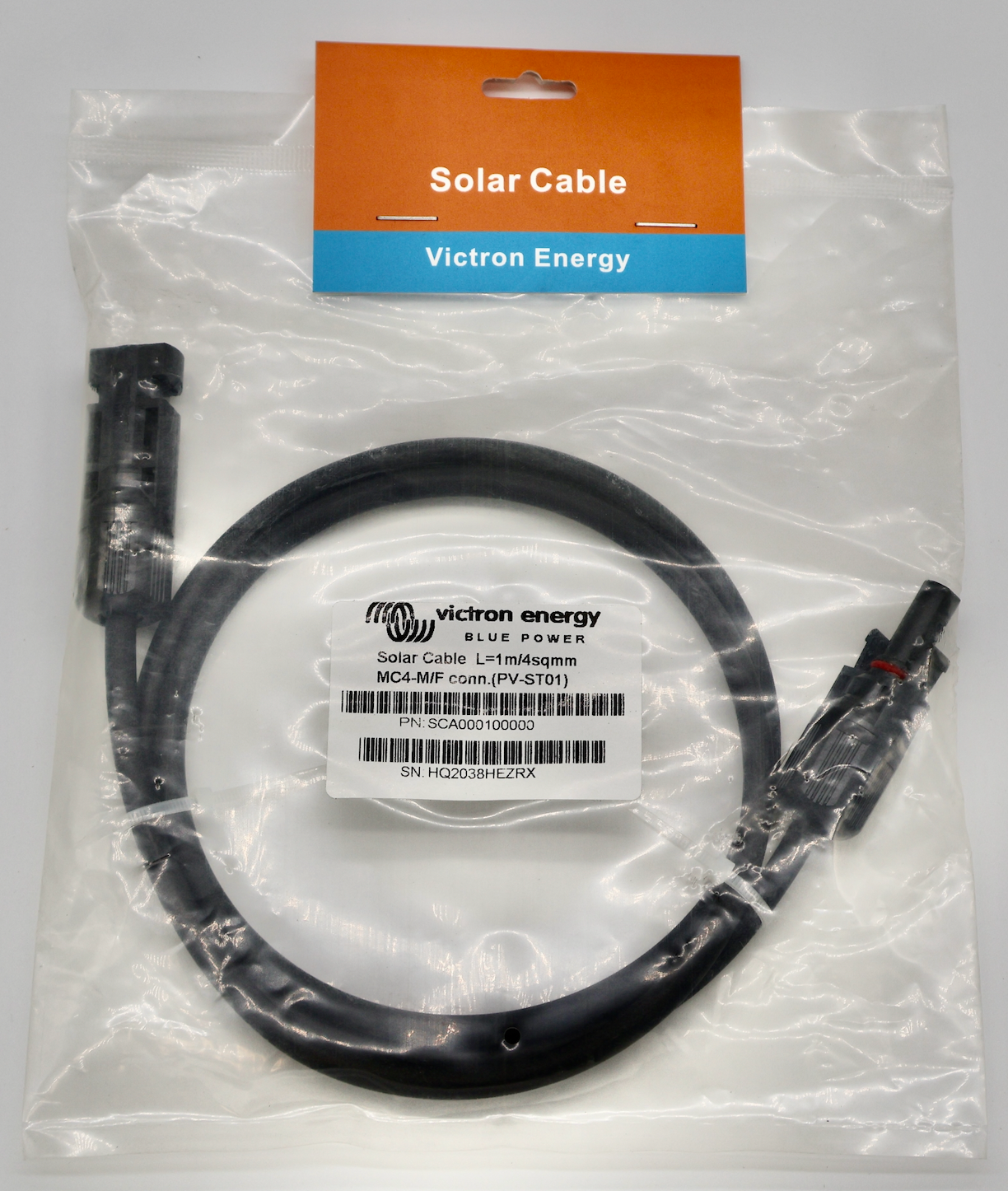
| Run cable panel→controller | MC4 Solar Cable | 4 or 6mm², pre-terminated MC4, 1–20m | $9.35 |
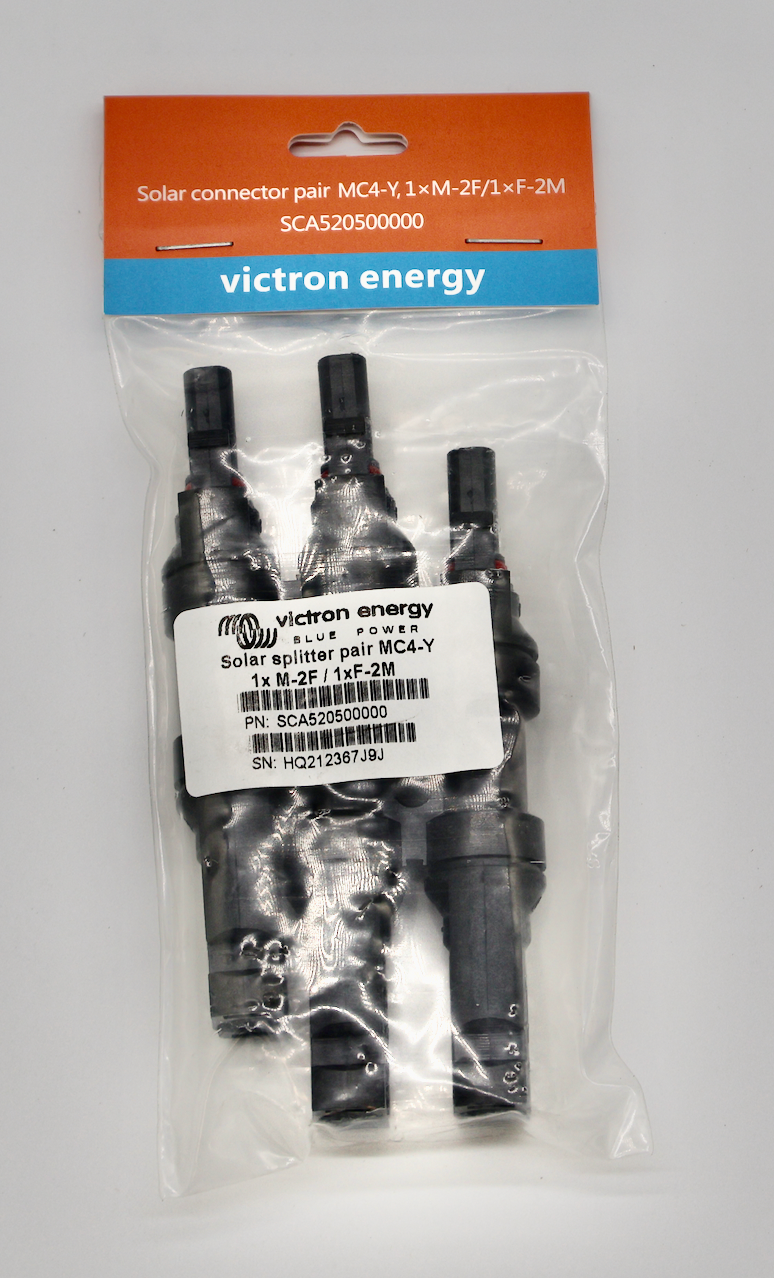
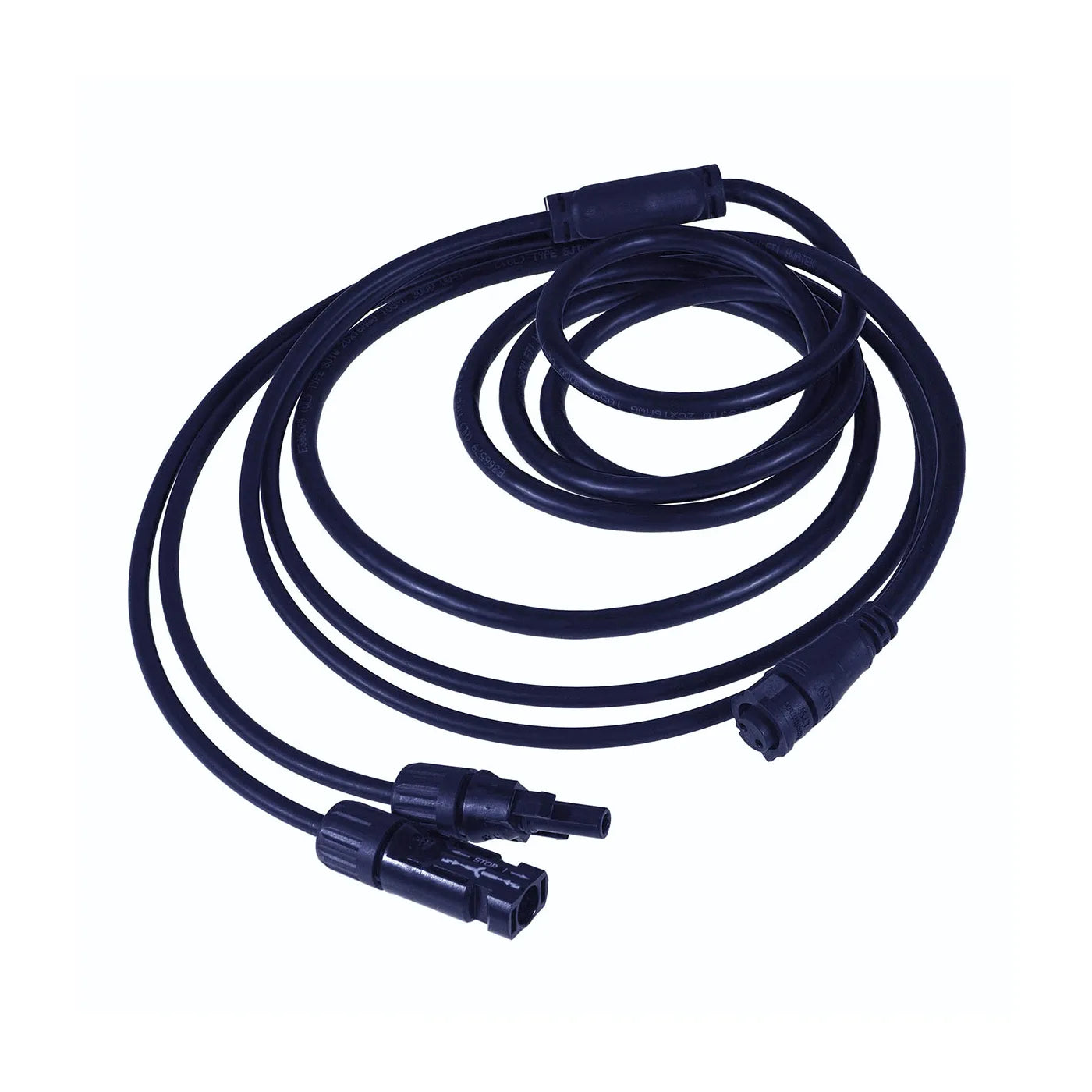
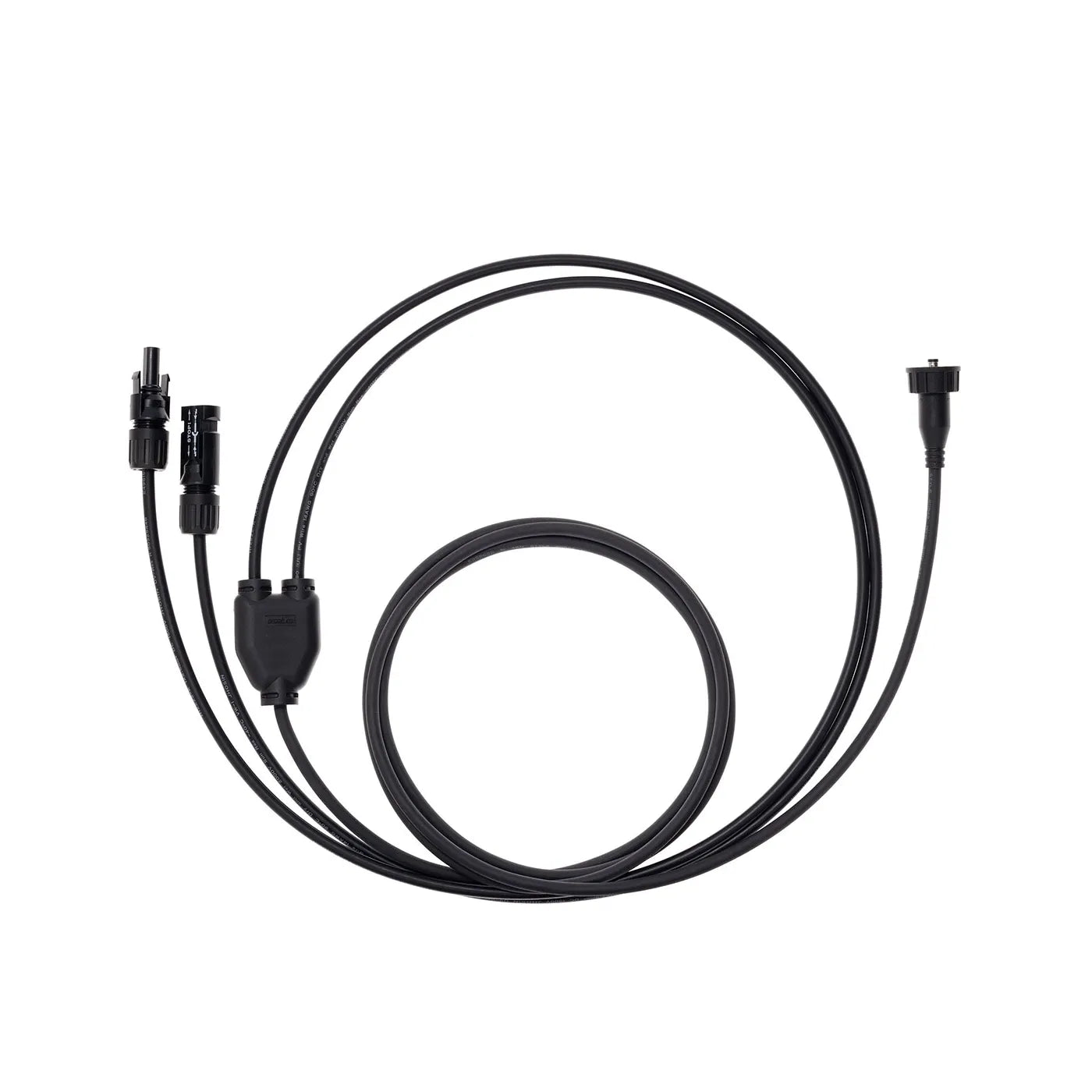
| Join two panels in parallel | MC4-Y Splitter Pair | Combines two panels into one run | $17 |
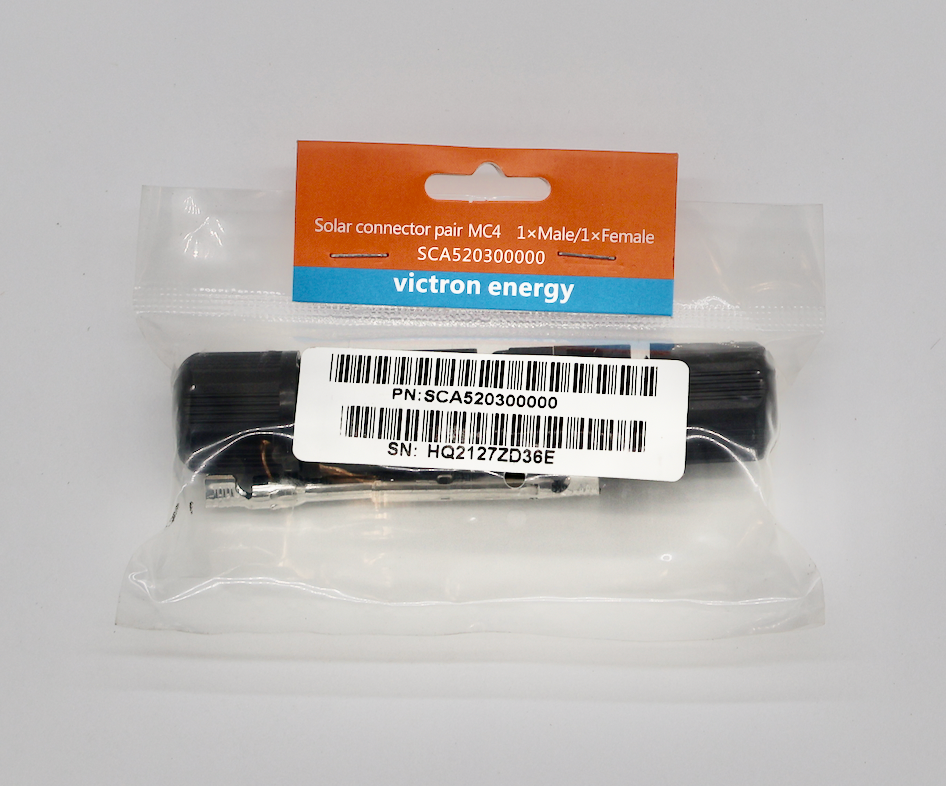
| Fit your own cable ends | MC4 Connector Pair | One male + one female field connector | $11.90 |
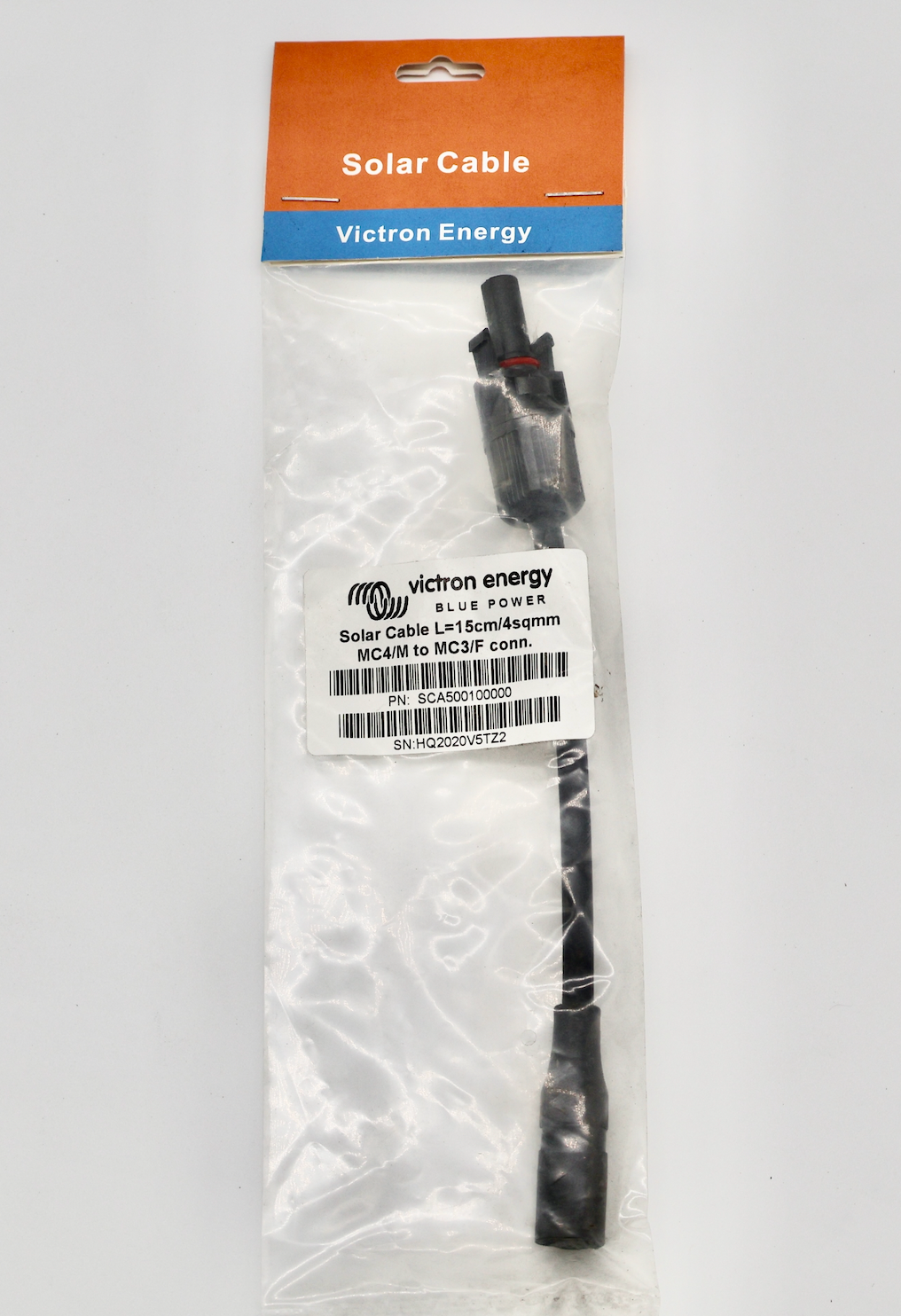
| Adapt to older MC3 gear | MC4-to-MC3 Adapter | Bridges MC4 to legacy MC3 connectors | $9.35 |
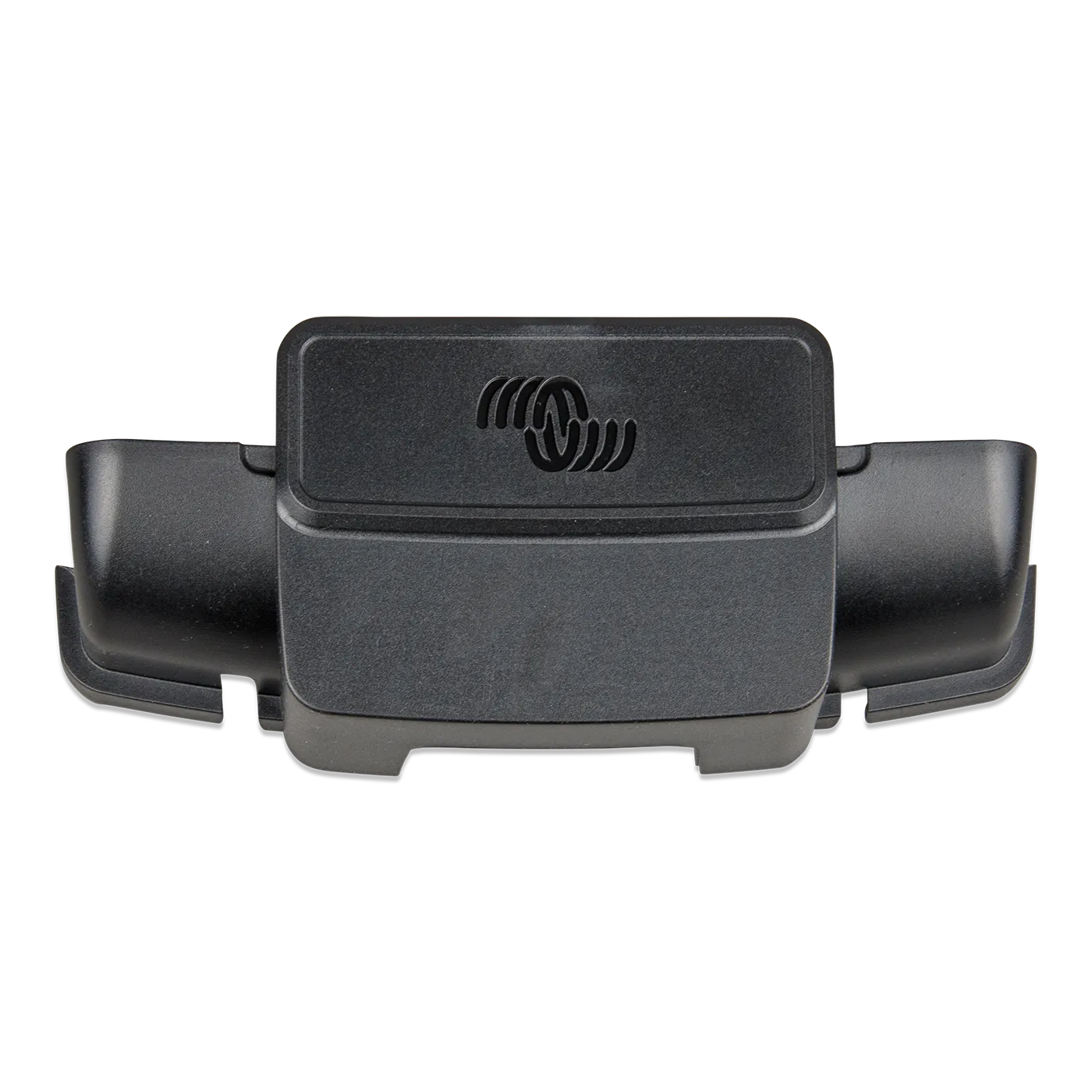
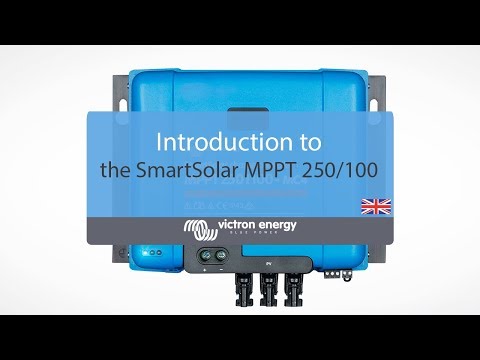
| Tidy the controller wiring | MPPT WireBox (MC4 versions) | Cover that shrouds the MPPT terminals; sized per model | $25.50 |
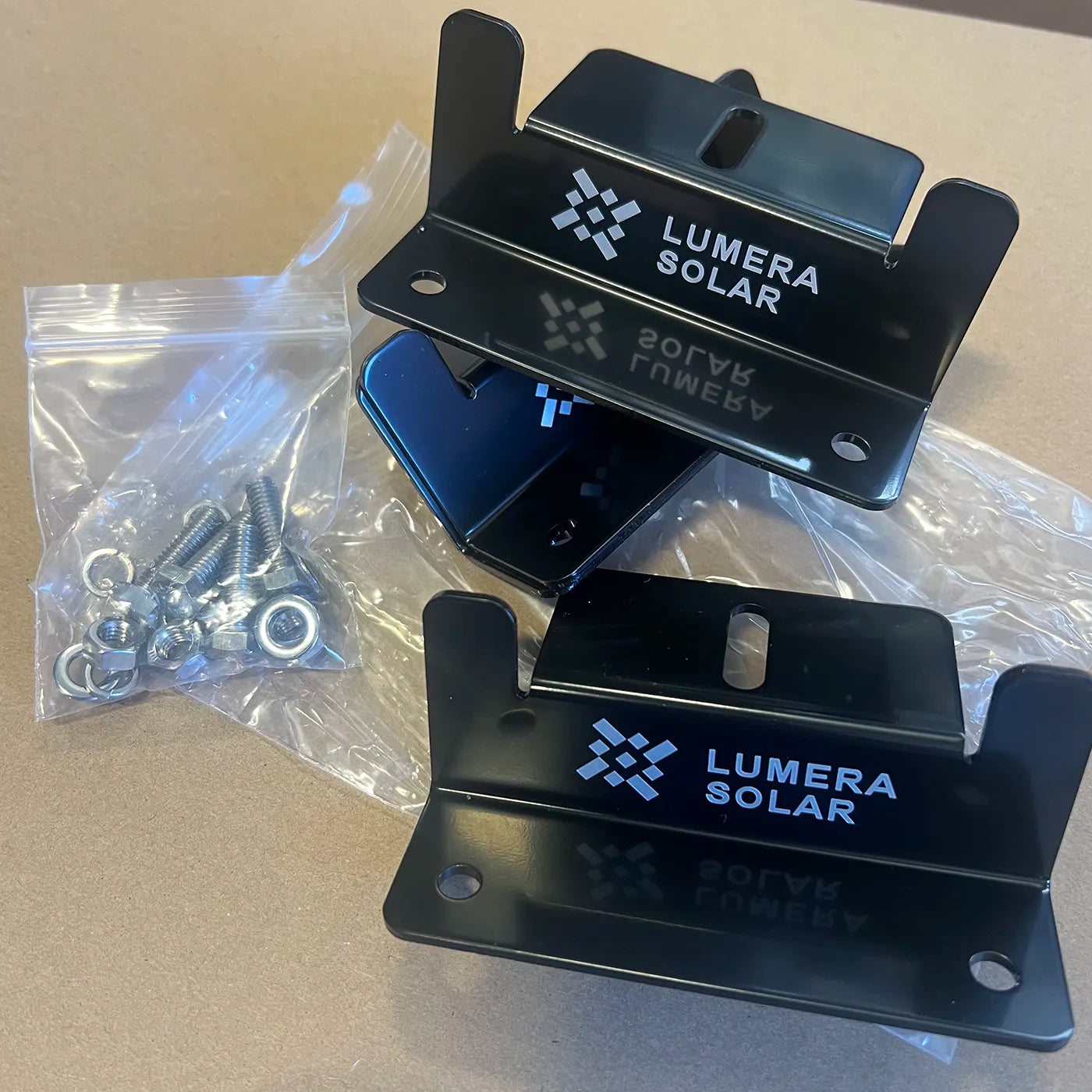
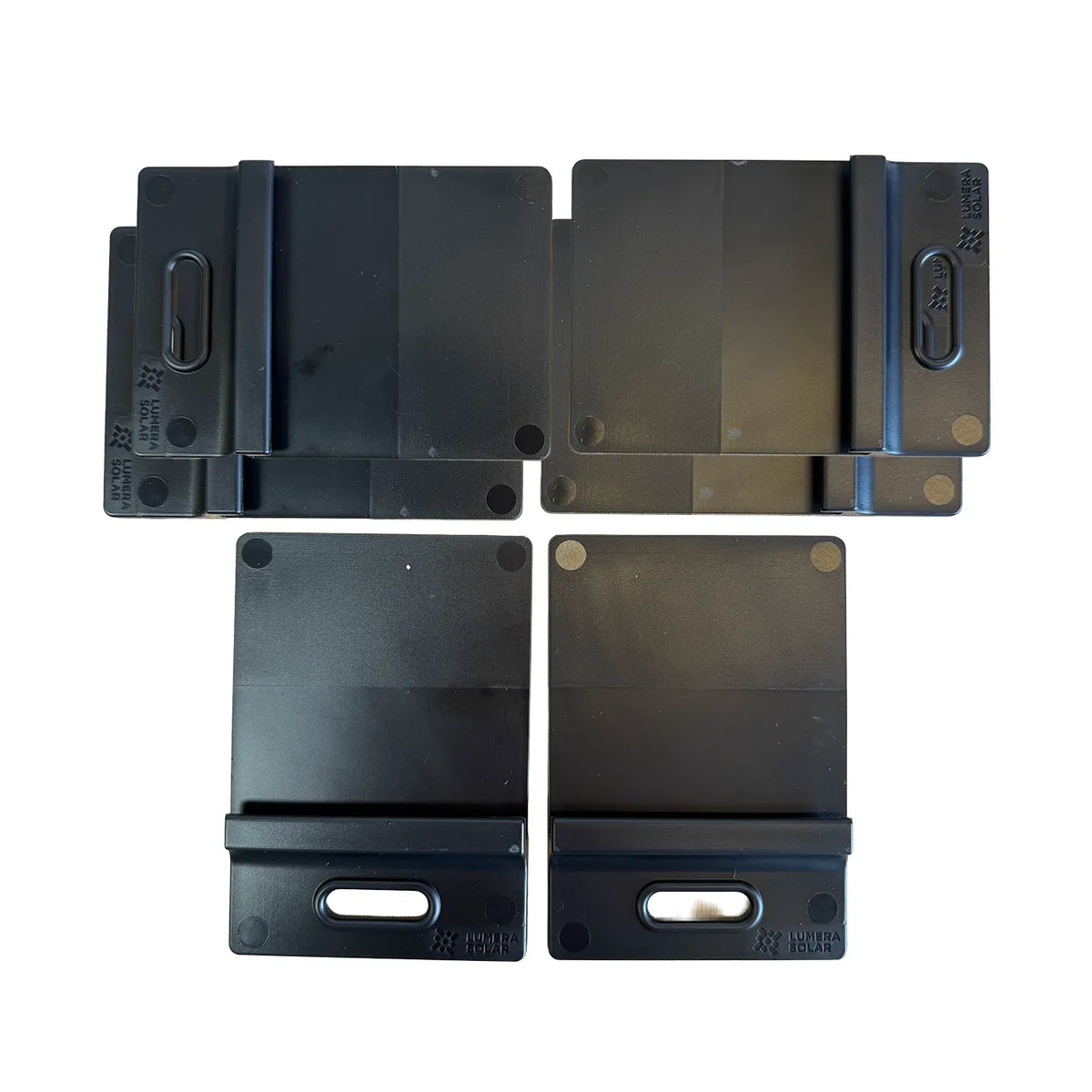
| Mount rigid panels | Z-Brackets | Raise a rigid panel off the surface for cooling airflow | $14.99 |
Shopping the panels themselves? See solar panels and the controllers on solar charge controllers; size the match with the MPPT calculator. (Solar charging cables for a Torqeedo Travel/Ultralight motor live with Torqeedo accessories.)
Three things worth getting right
Wire gauge, connectors, and how you fasten the panel down.
Wire gauge and length
Solar cable comes in 4mm² and 6mm² here. Longer runs and higher currents want the thicker 6mm² to keep voltage drop low — thin wire on a long run quietly wastes power. As a rule, go up a size if in doubt and keep runs as short as practical.
Connectors: match and seal
MC4 is the standard solar connector. Keep connectors the same family and quality, and make sure they're fully clicked and weather-sealed — a loose or mixed-brand MC4 is a classic source of hot joints and lost output. Use the Y-splitter to parallel panels and the connector pair to terminate your own runs.
Mounting and airflow
Rigid panels like a little air gap underneath — Z-brackets raise them so they run cooler and make more power. Flexible panels don't use a bracket: they're typically screwed down through their built-in grommet holes or bonded with 3M tape, sitting flush to the surface.
Why buy from Blue Marine
True Blue Victron distributor
Genuine Victron solar cable and connectors, backed by us.
ABYC-certified advisors
We'll spec gauge, connectors and mounts to match your panels and runs.
Free US shipping over $49
Fast shipping from Seattle and 60-day returns.
Real people, real boats
Call (800) 628-6306 Mon–Sat.
Wiring up an array?
Send us your panels, controller and cable runs — we'll put together the cable gauge, connectors and mounts so it goes in clean the first time.
Solar wiring & mounting FAQ
What is MC4 and do my parts need to match?
MC4 is the near-universal solar connector standard — most panels and controllers use it. Keep your connectors the same brand and quality through a run and make sure each one is fully seated and sealed. Mixing brands or leaving a connector loose is a common cause of hot spots and lost output.
4mm² or 6mm² cable?
Use the thicker 6mm² for higher currents and longer runs to keep voltage drop low; 4mm² is fine for short runs and smaller arrays. When in doubt, size up — the extra copper costs little and you keep more of your solar harvest.
How do I connect two panels together?
An MC4-Y splitter pair lets you wire two panels in parallel into a single run to the controller. For series wiring you simply chain panel-to-panel with MC4 cables. Which you choose affects voltage and current — our MPPT calculator and our team can confirm the right approach for your controller.
What is the MPPT WireBox?
It's a Victron cover that encloses the cable terminals on a SmartSolar/BlueSolar MPPT for a tidy, touch-safe finish. They're sized per controller and come in screw-terminal (Tr) and MC4 versions — match it to your exact MPPT model.
How should I mount my panels?
Rigid panels do best slightly raised on Z-brackets so air can pass underneath and keep them cool. Flexible panels don't take a bracket — they're usually screwed down through their built-in grommet holes or bonded with 3M tape. Whatever the method, leave the cables strain-relieved and the connectors out of standing water.