
Filters
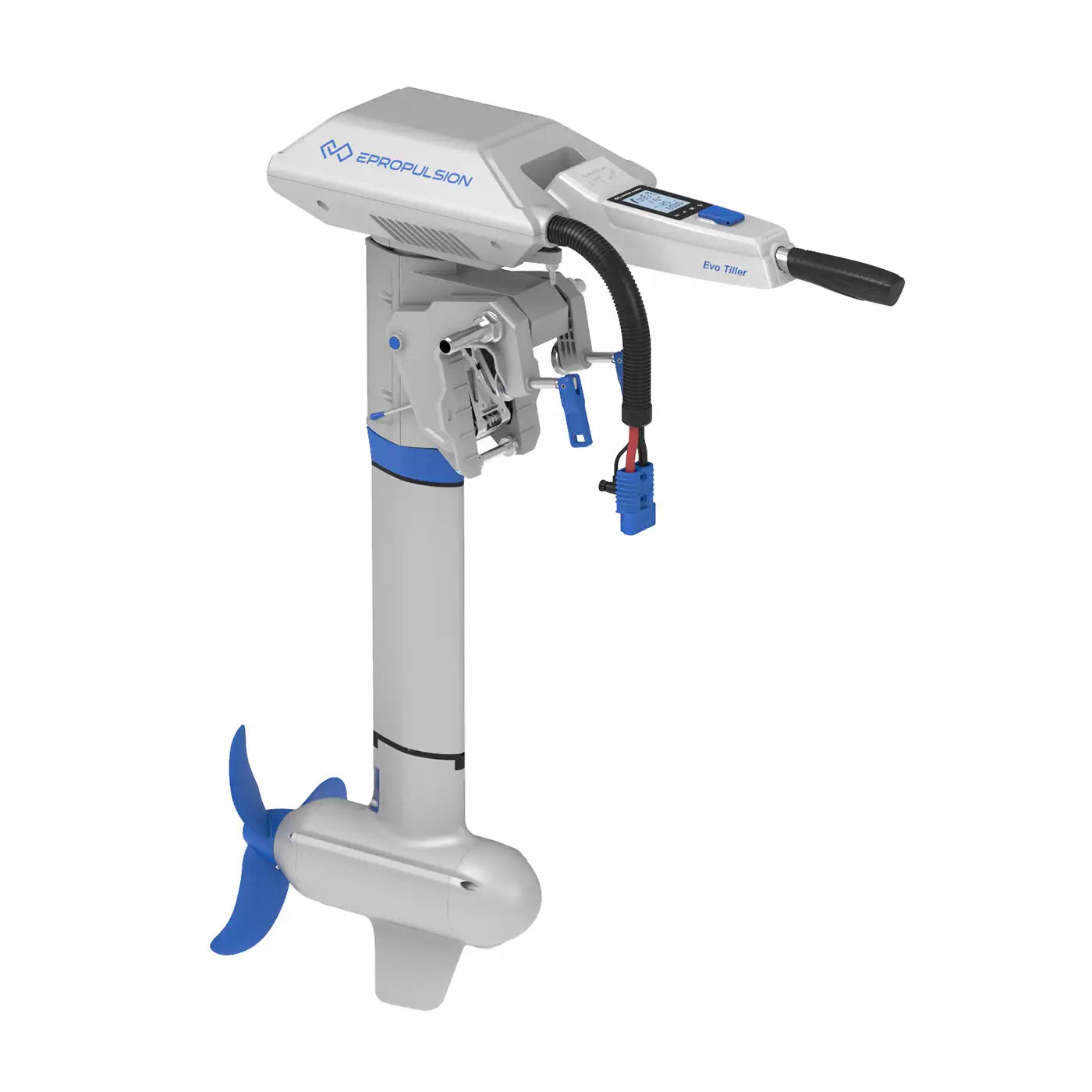
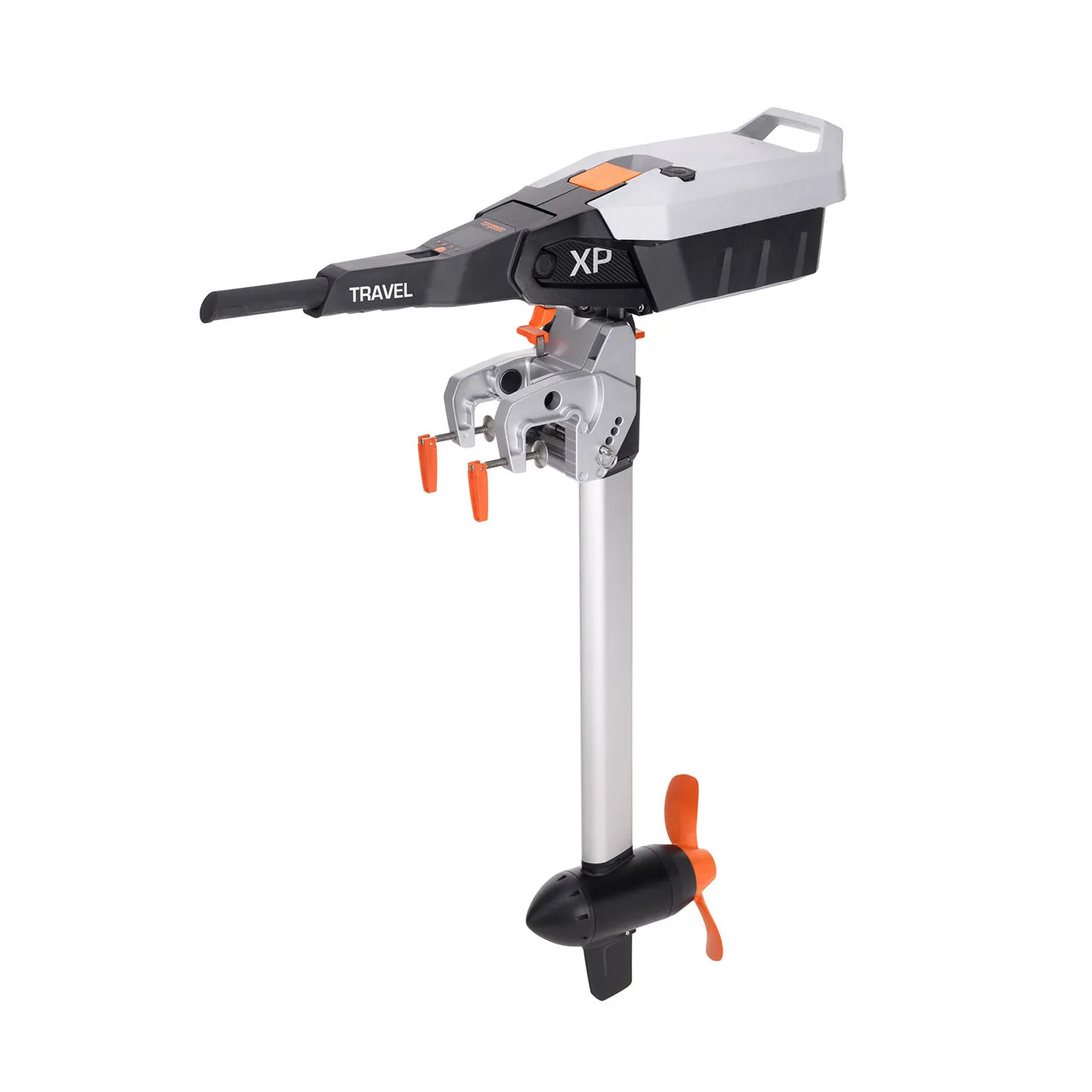
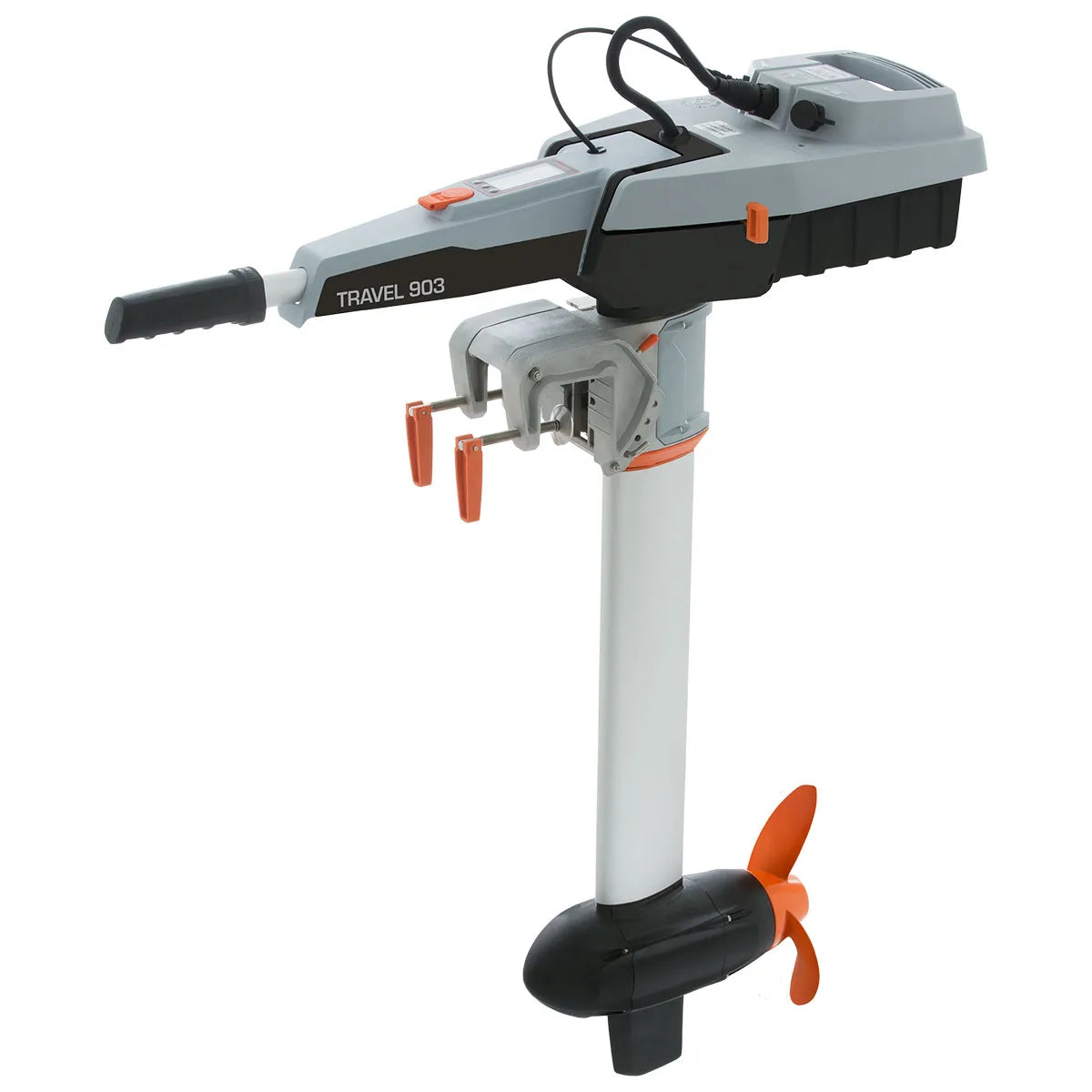
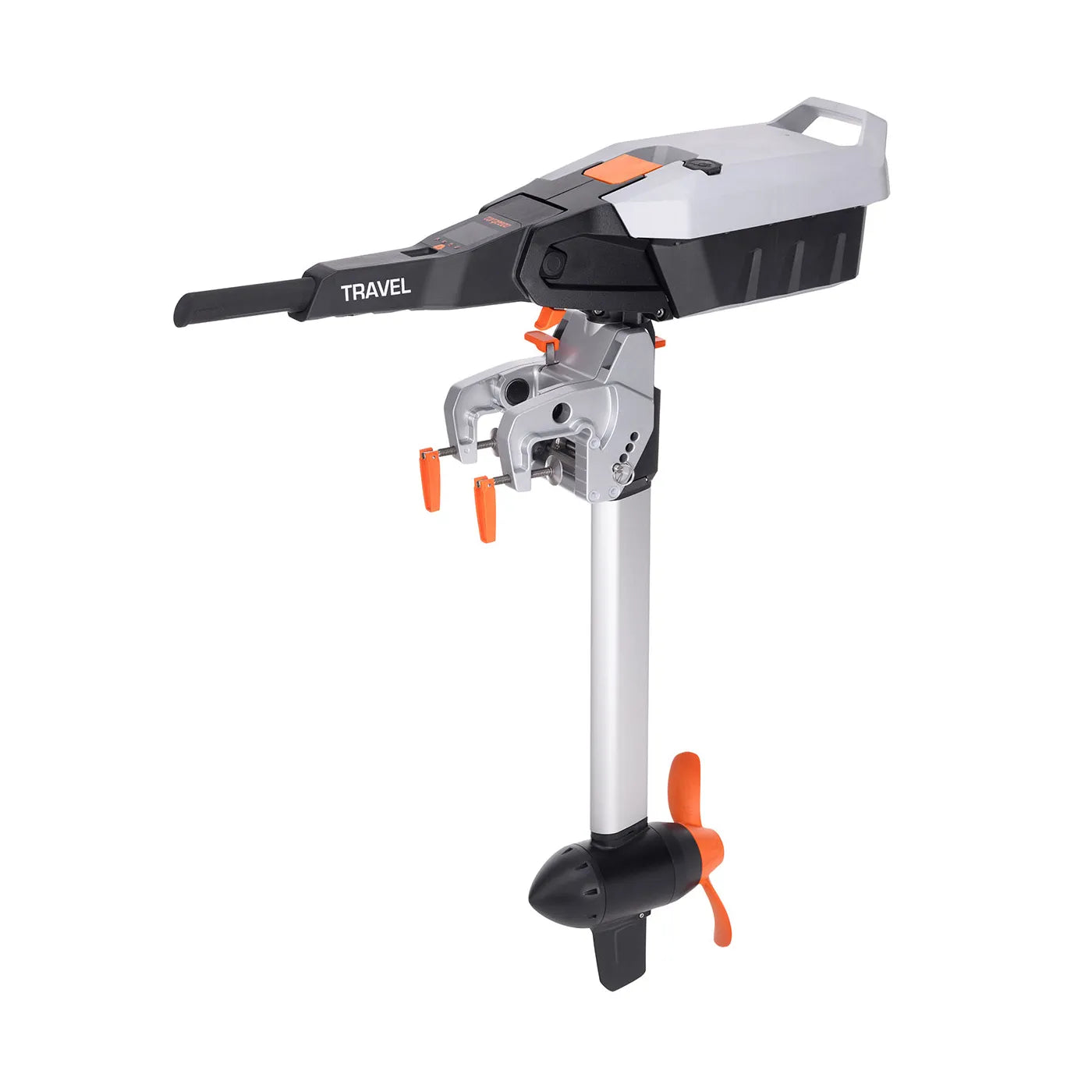
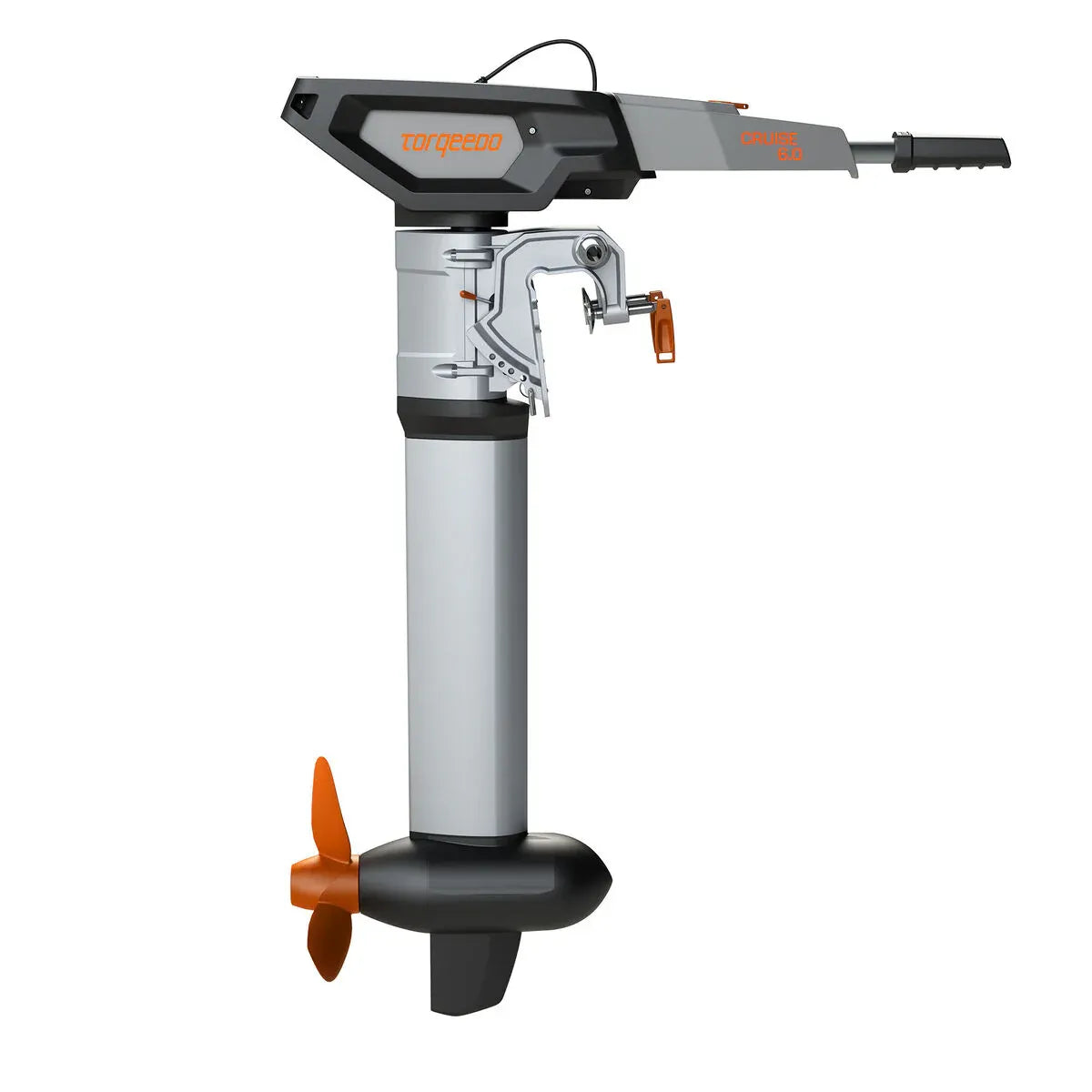
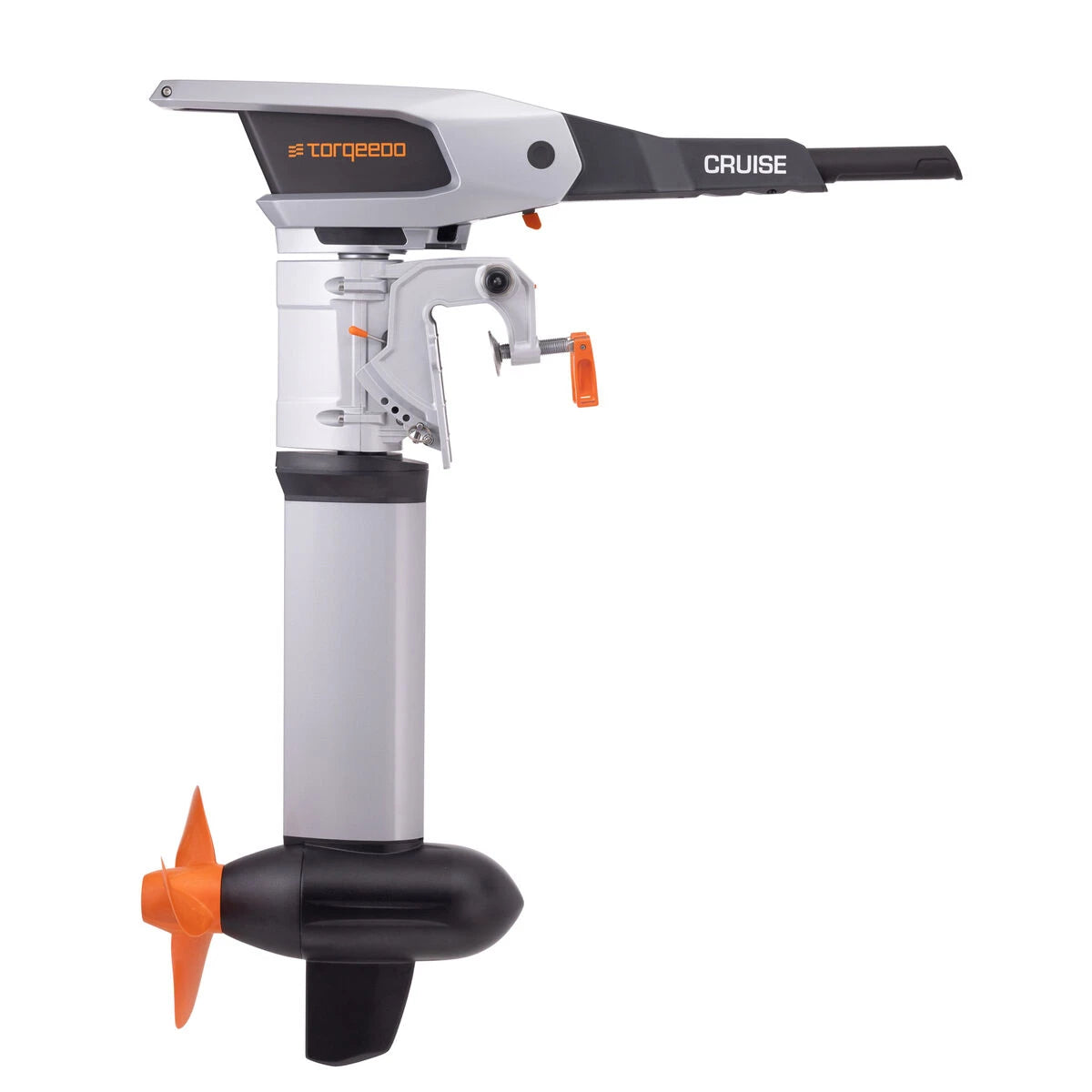
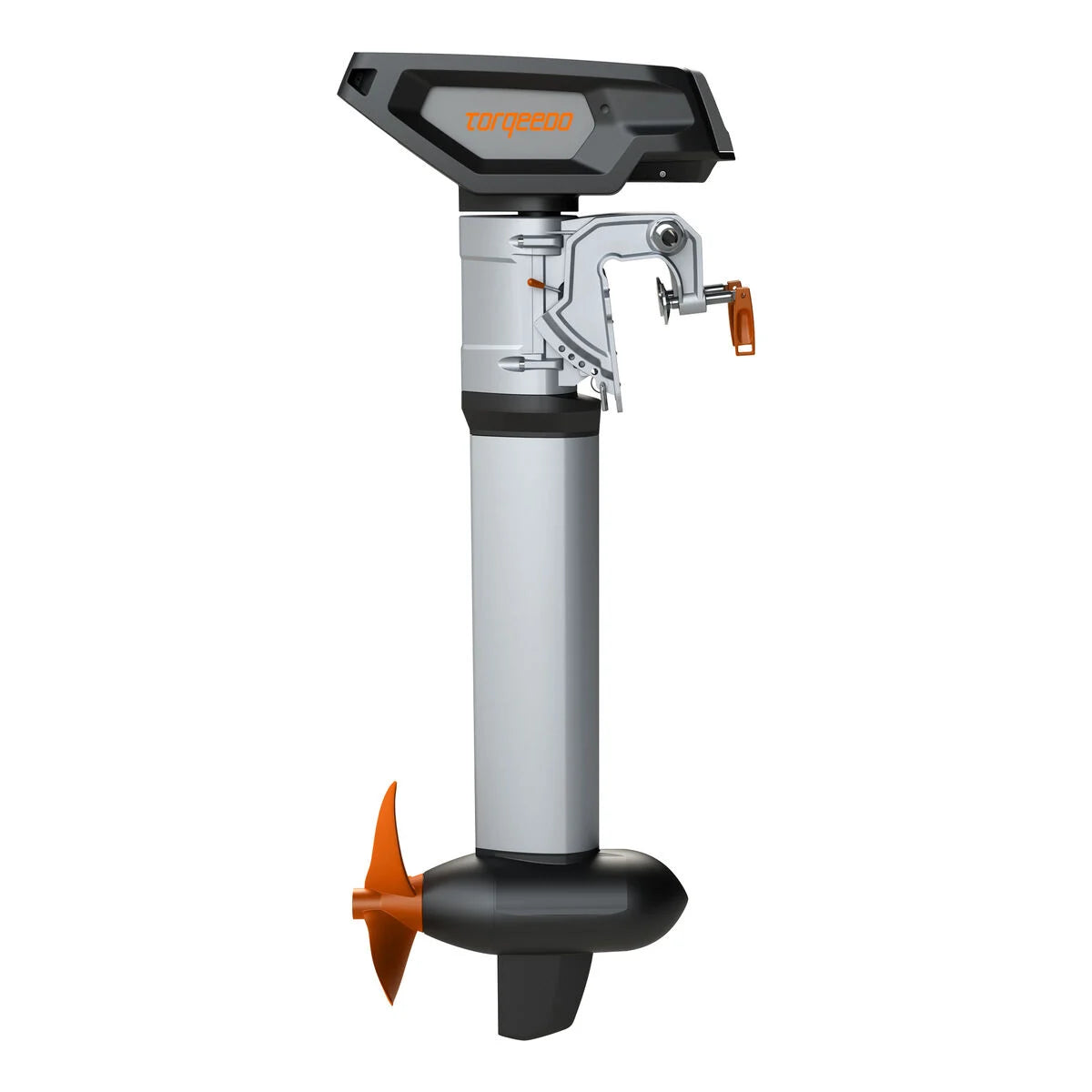
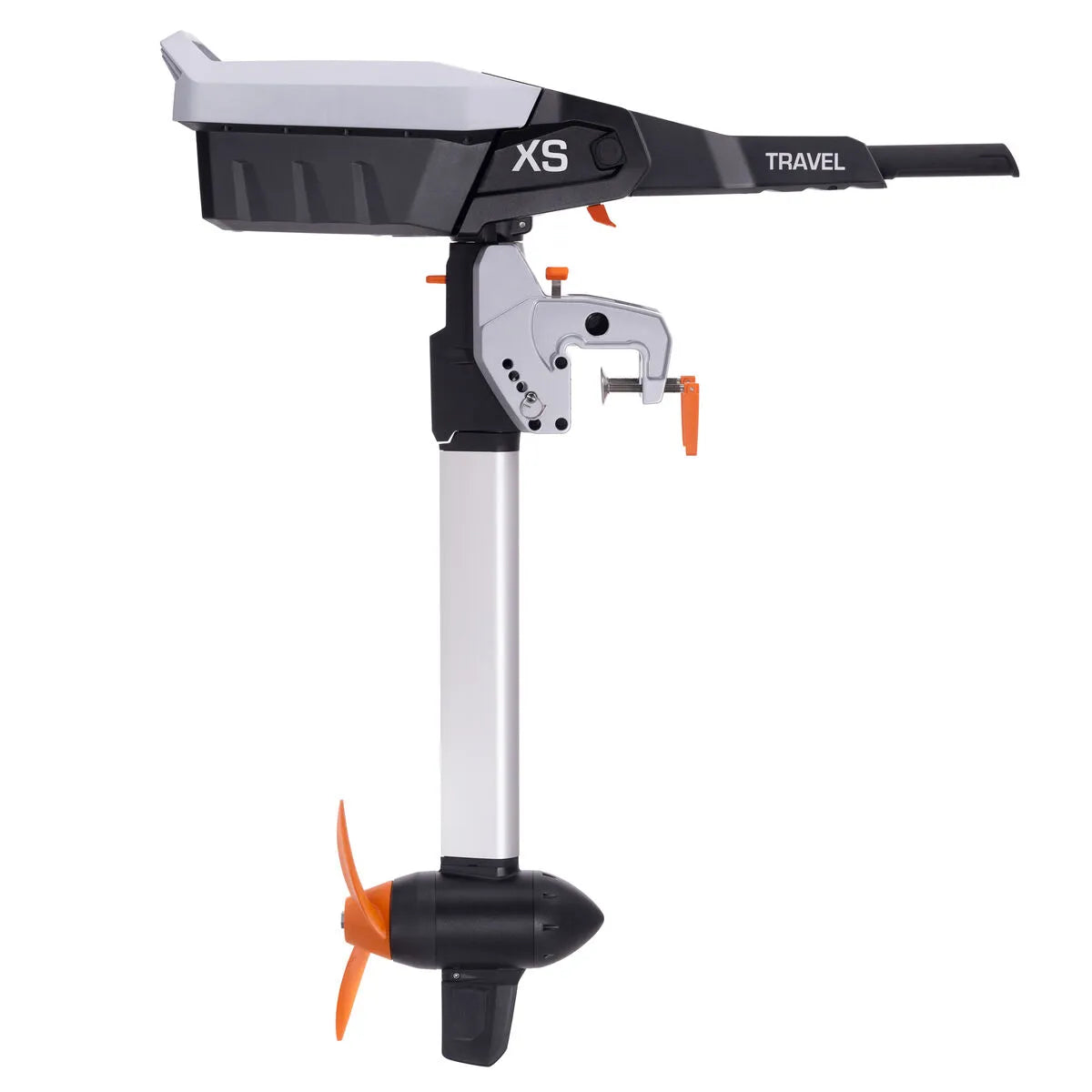
Which electric outboard fits your boat?
| Motor | Power | Battery | Weight & format | Best for | From |
|---|---|---|---|---|---|
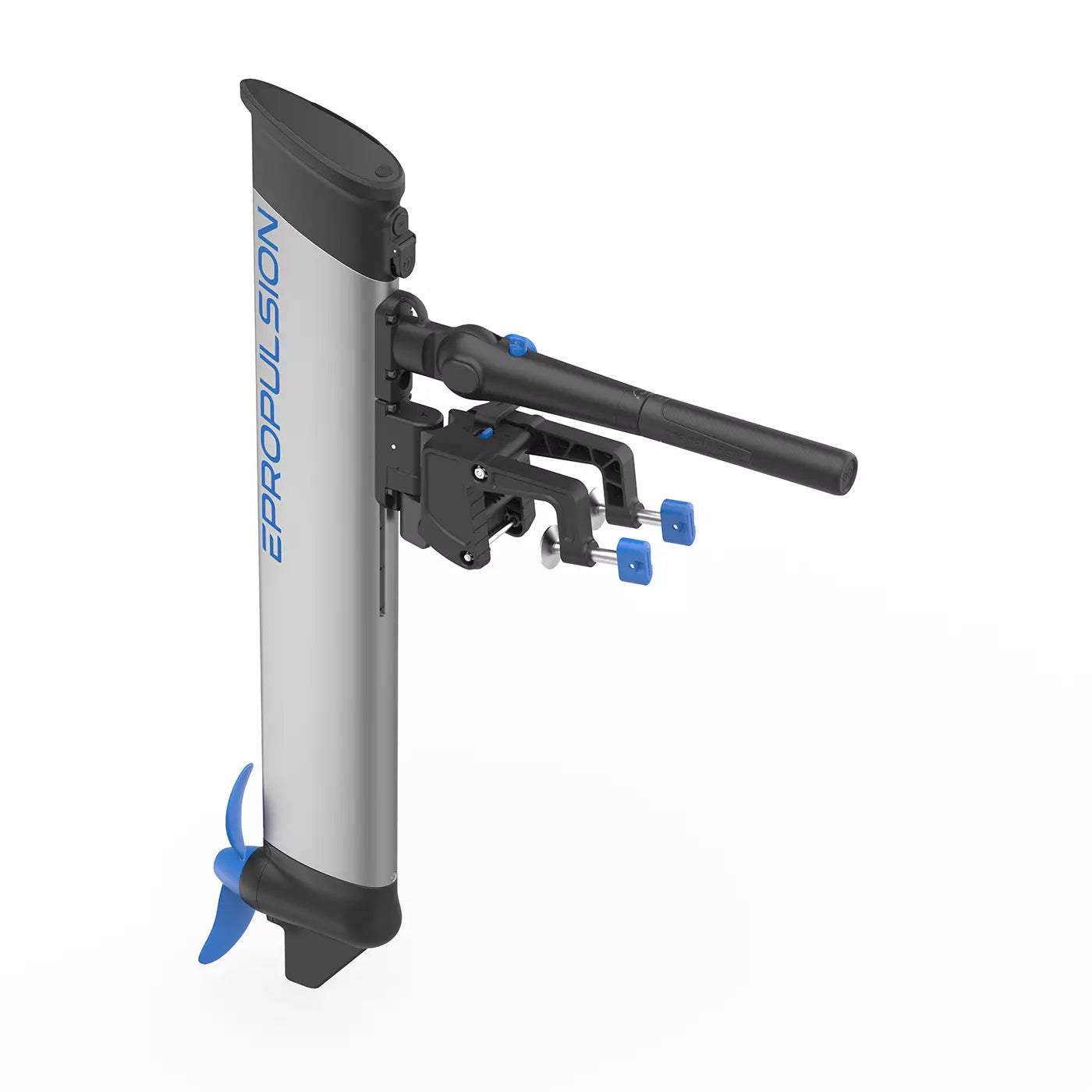
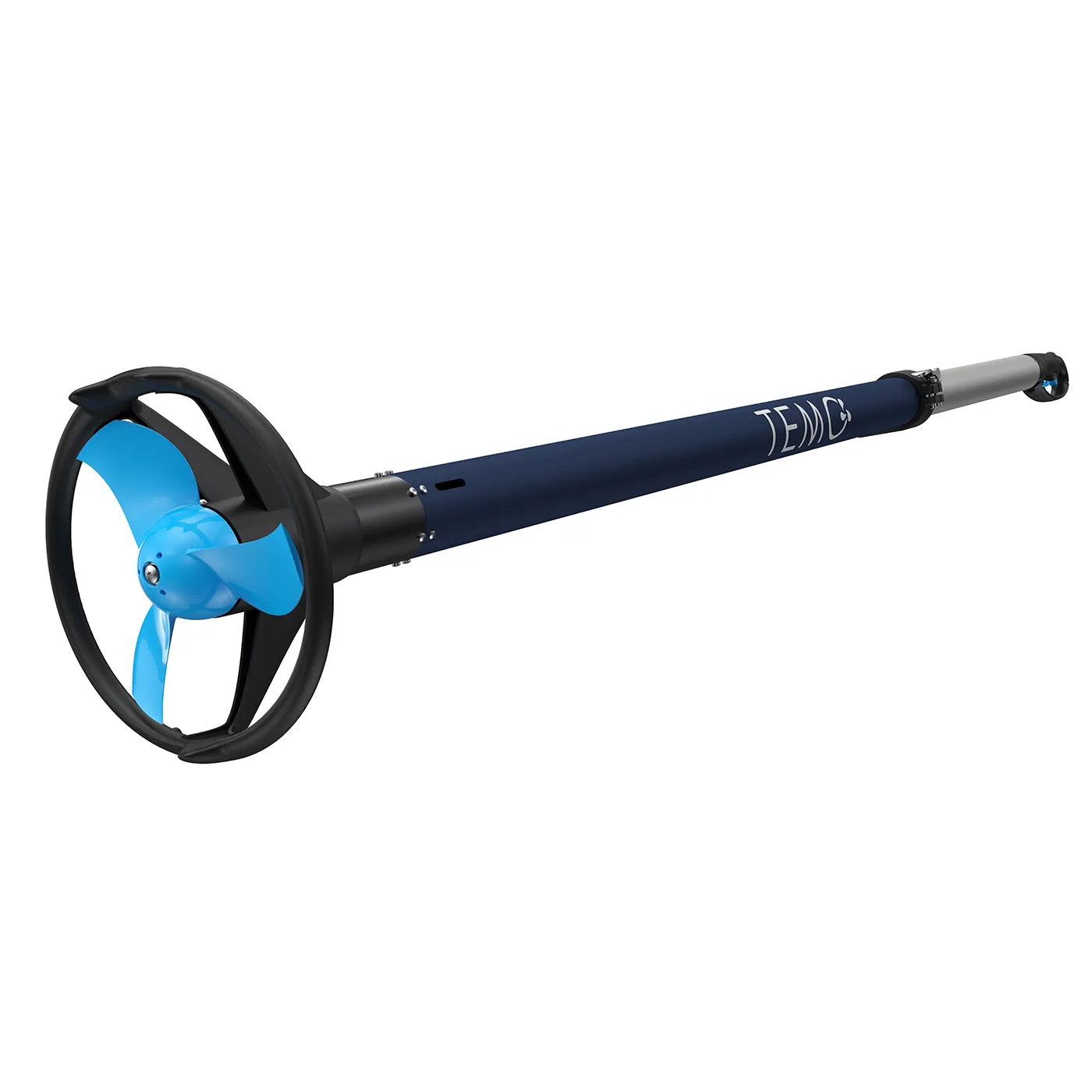
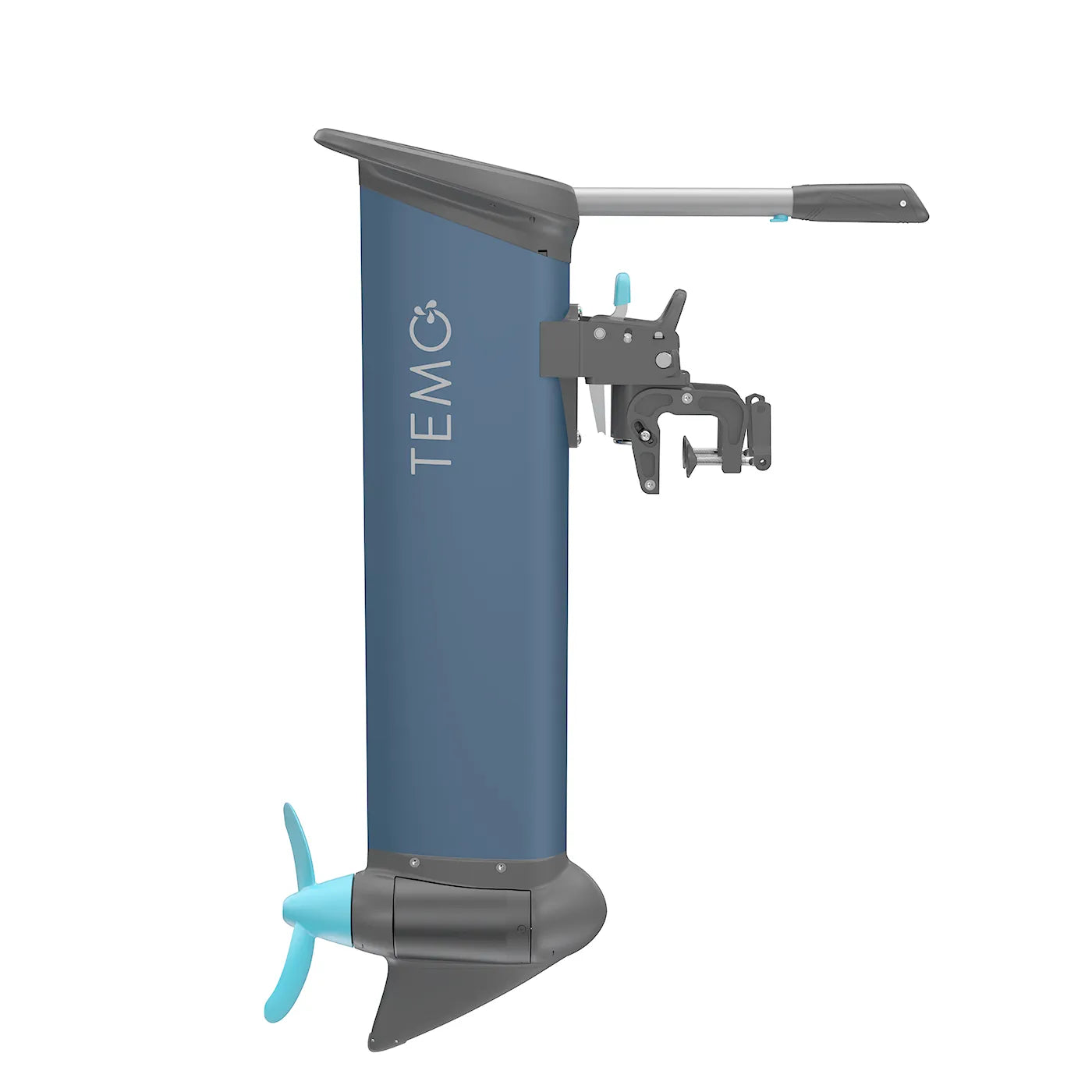
| TEMO 450 | ~1 HP (450 W) | Built-in | ~11 lb, one-piece, fold-away | Kayaks, SUPs, canoes, light dinghies | $1,799 |
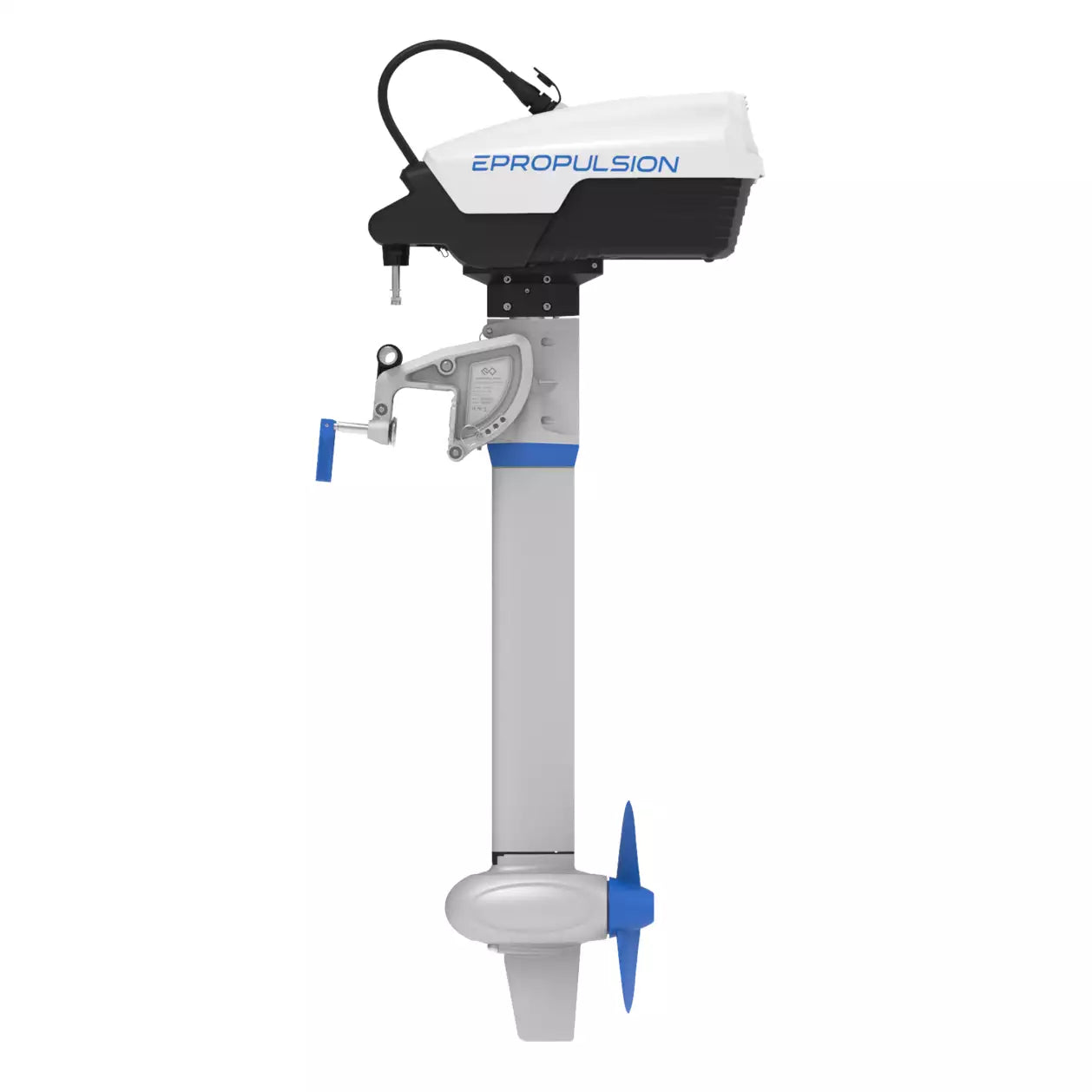
| ePropulsion eLite | 1.5 HP (500 W, 750 W sport) | Built-in 378 Wh | 14.7 lb motor, ultra-portable | Dinghies, tenders, small boats | $1,150 |
| Torqeedo Travel XS S | 2 HP | Removable | Portable, short shaft | Small tenders | $1,399 |
| Torqeedo Travel 903 | 2.5 HP (900 W) | Removable 915 Wh, IP67 | Compact, solar-charge compatible | Tenders & daysailers to ~1.3 t | $2,299 |
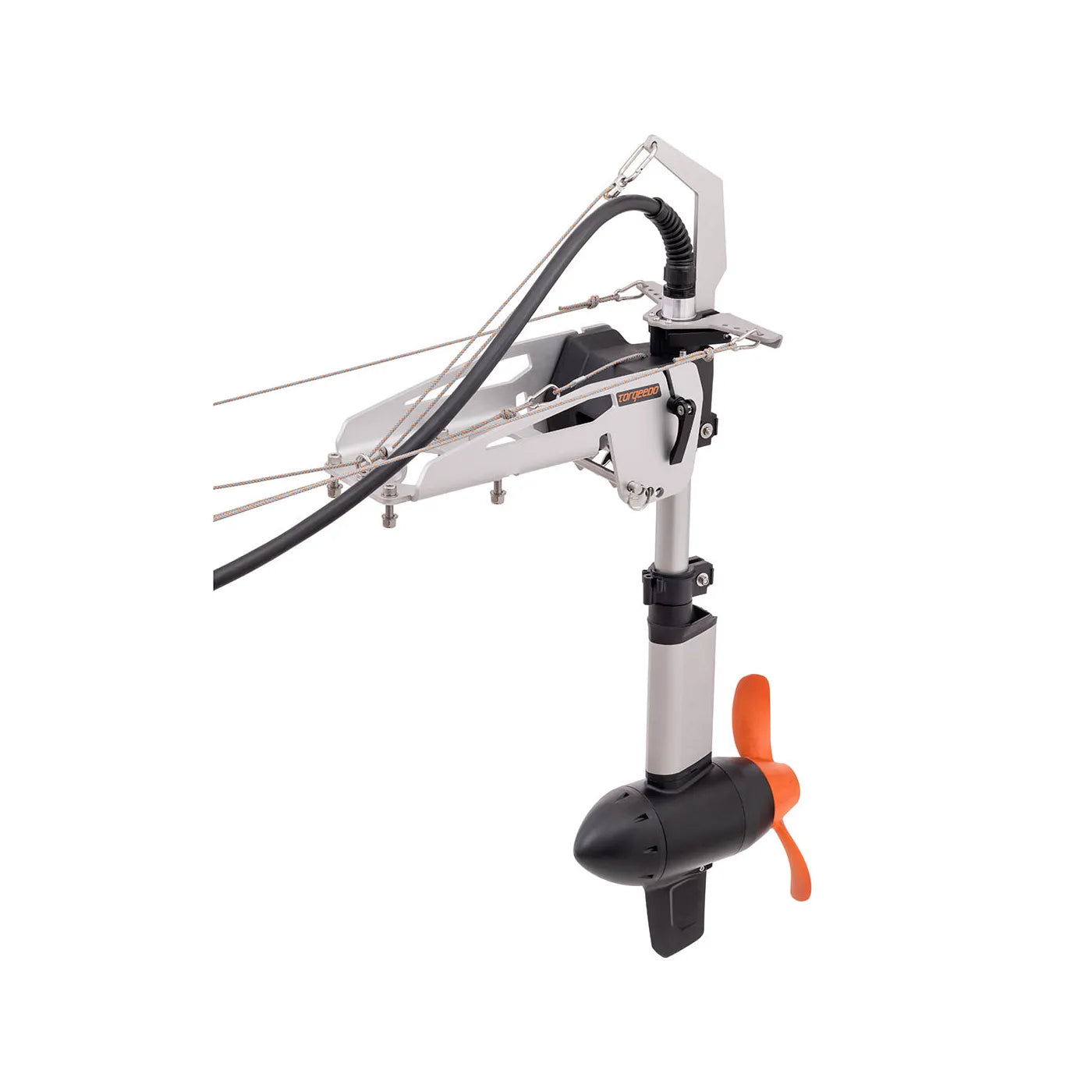
| Torqeedo Travel Ultralight | 3 HP (1,100 W) | External | Purpose-built for paddle craft | Kayaks, canoes, micro boats | $1,799 |
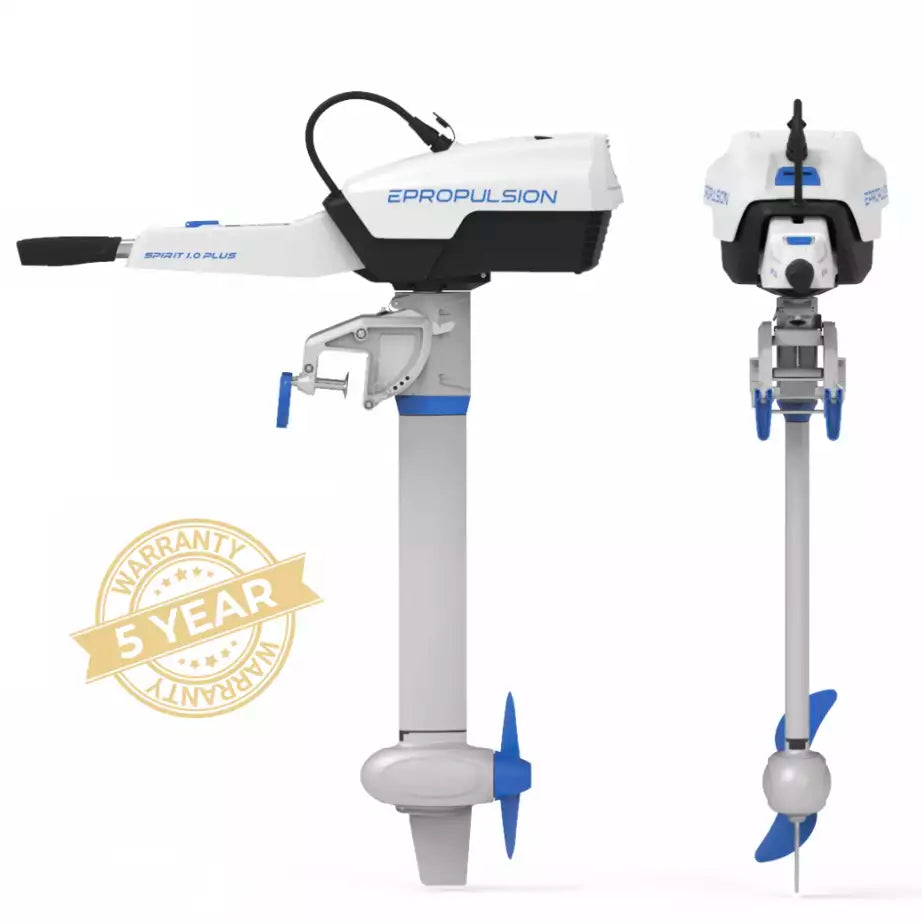
| ePropulsion Spirit 1.0 Plus | 3 HP (1,000 W) | Removable 1276 Wh, floats | Modular, splits for carrying | Dinghies, day-sailers, small fishing boats | $1,650 |
| ePropulsion Spirit 1.0 Evo | 3 HP (1,000 W) | Removable 1276 Wh + hydrogeneration | Modular | Sailboat auxiliaries — recharges while you sail | $1,770 |
| TEMO 1000 | ~3 HP (1,100 W) | Removable cassette | Lightweight, 360° rotating mount | Tenders, rowboats, small sailboats | $2,999 |
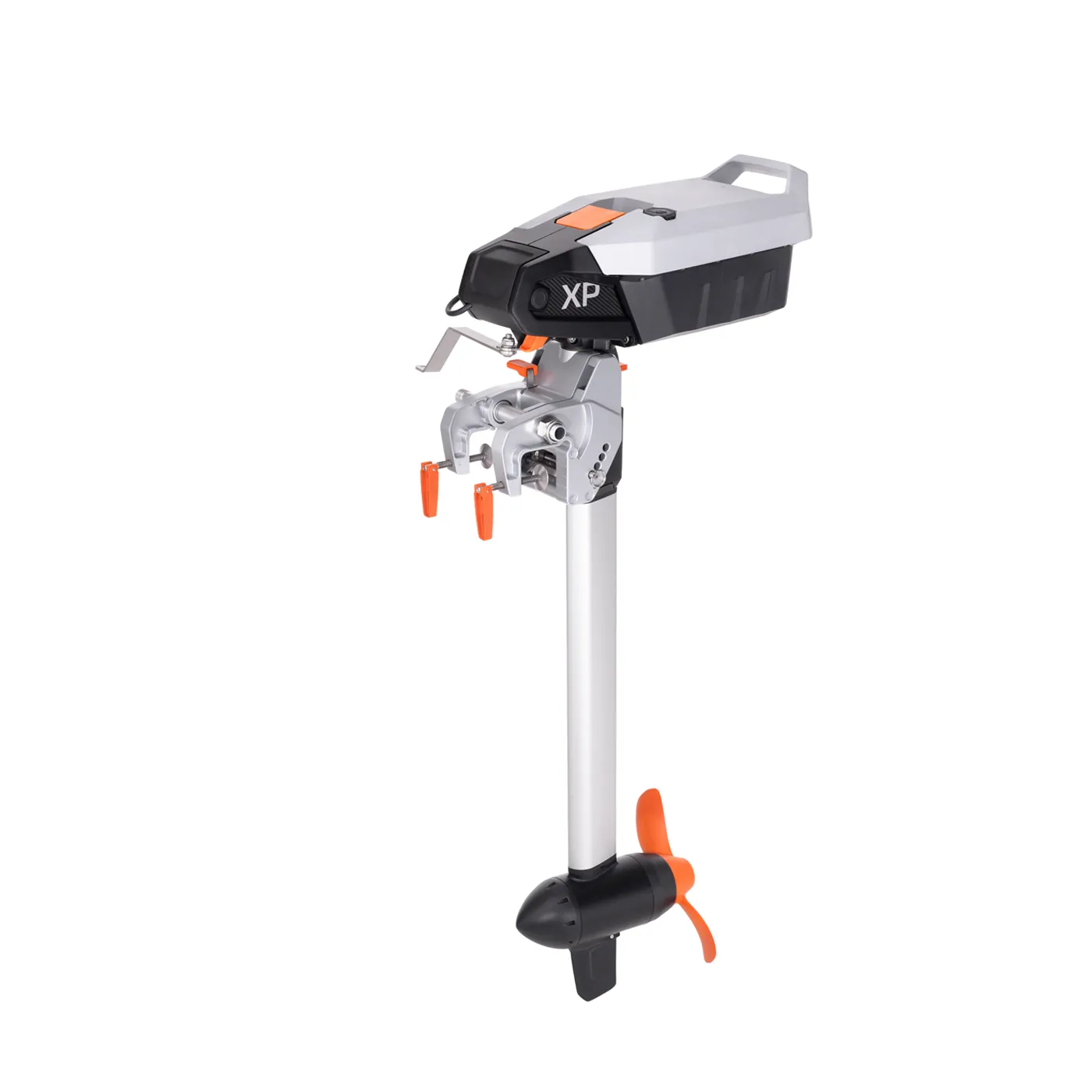
| Torqeedo Travel XP / XP Remote | 5 HP | Removable | Tiller or remote steering | Bigger tenders, small skiffs | $2,499 |
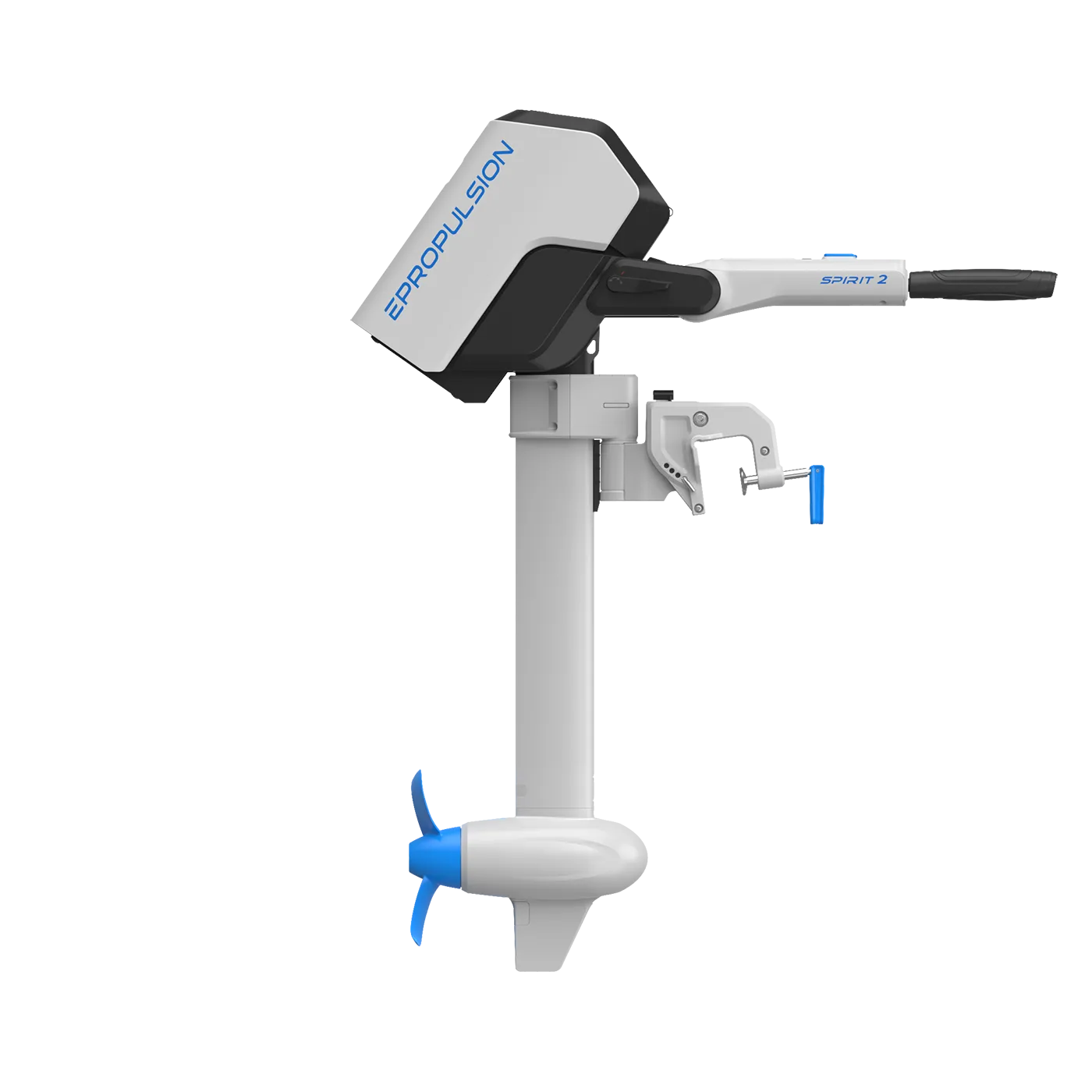
| ePropulsion Spirit 2.0 | 6 HP (2 kW, 3 kW boost) | Removable 48V | Portable class, more punch | Heavier dinghies & small boats | $2,624 |
| ePropulsion Navy Evo 3.0 / 6.0 | 3–9.9 HP | External 48V + hydrogeneration | Fixed mount, direct drive | Aluminum fishing boats, cruising sailboats | $3,499 |
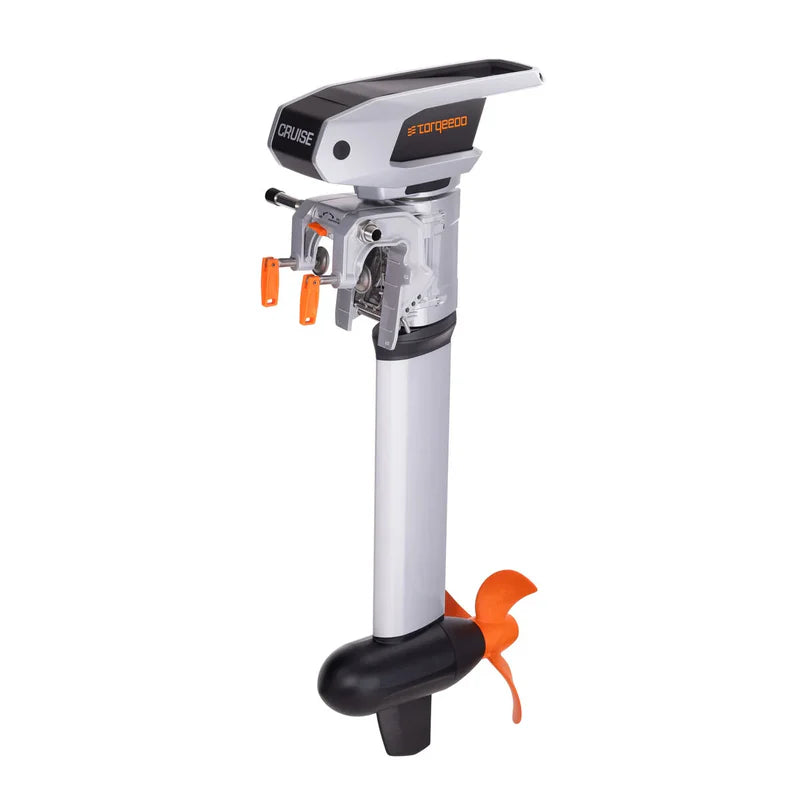
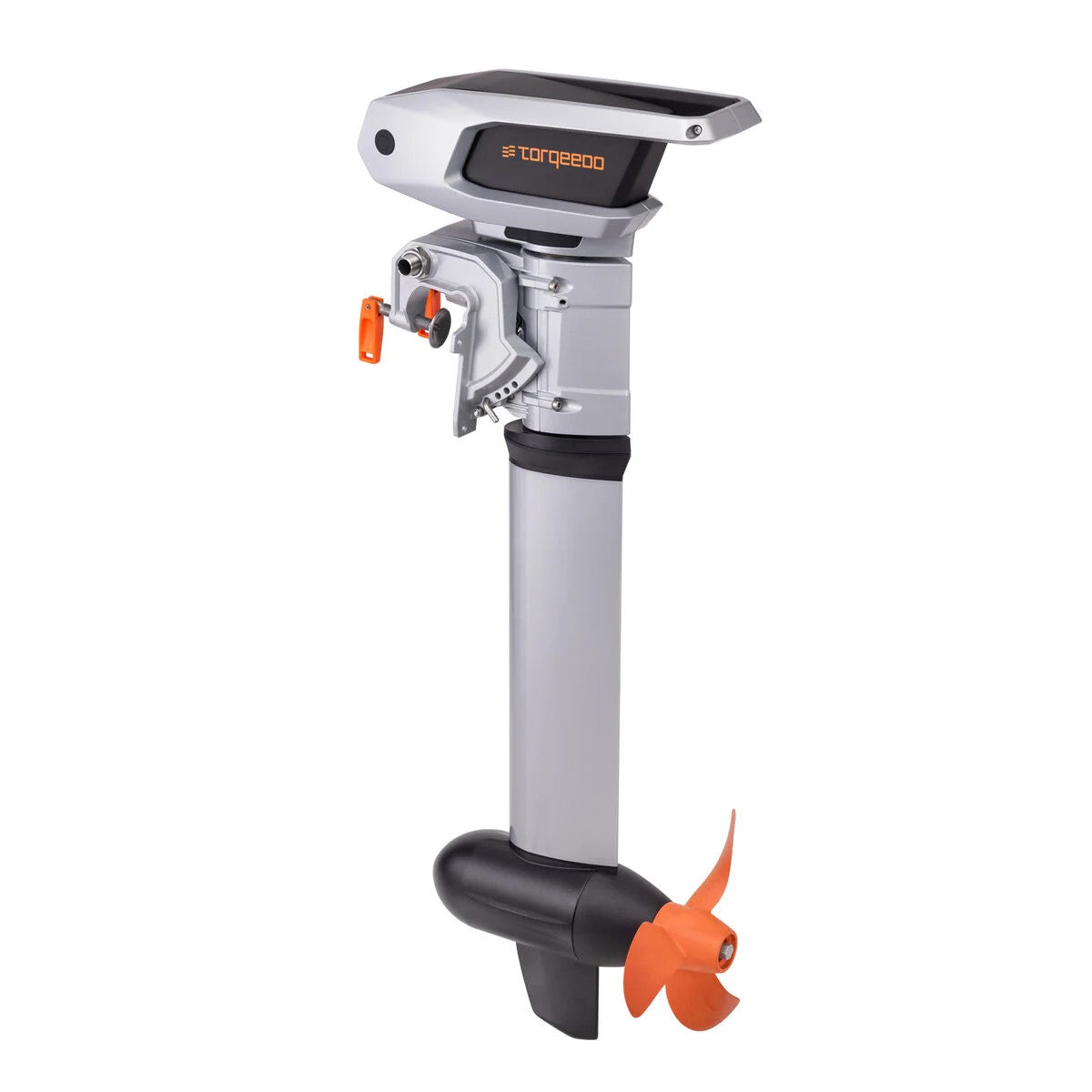
| Torqeedo Cruise 3.0 (24V/48V) | 6 HP (3 kW) | External bank | Fixed mount, remote or tiller | Displacement boats to 3 t, sailboats to 30 ft | $3,498 |
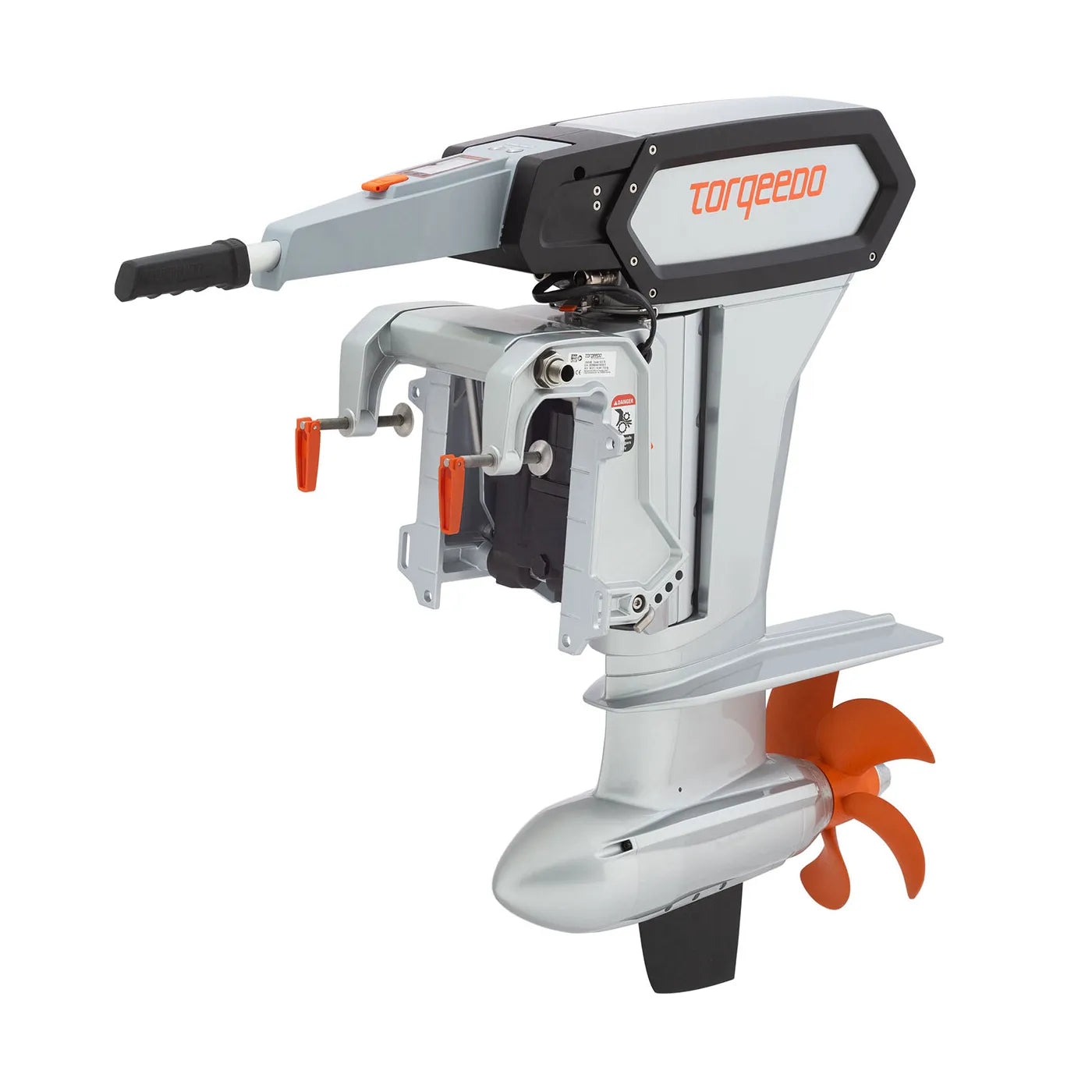
| Torqeedo Cruise 6.0 (R/T) | 9.9 HP | External 48V bank | Fixed mount | Larger sailboats & workboats | $5,448 |
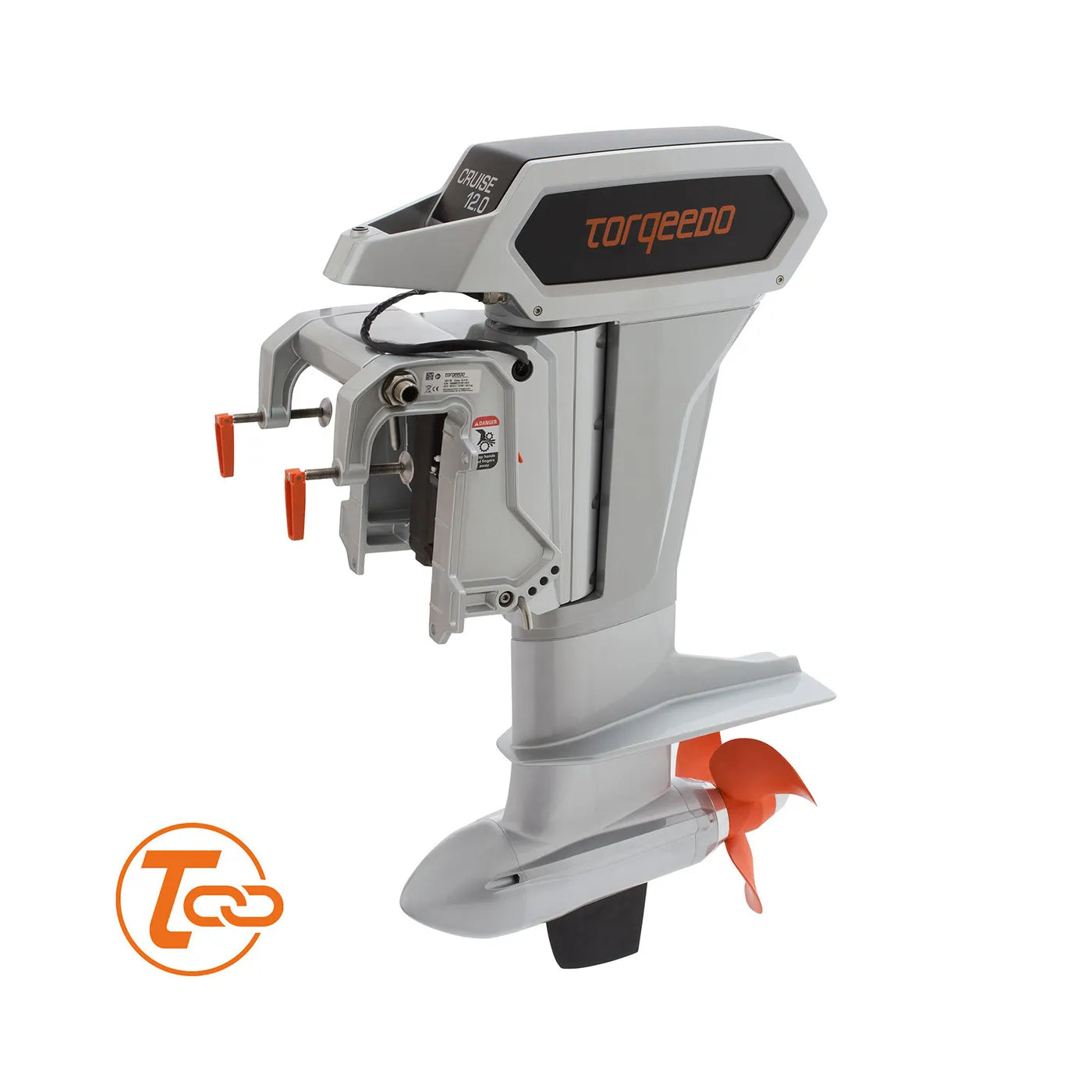
| Torqeedo Cruise 10.0 / 12.0 | 20 HP+ | External 48V bank | Fixed mount, TorqLink | Pontoons, launches, heavy displacement | $12,499 |
Want a deeper head-to-head? Read Electric Outboards Compared: Spirit 1.0 Plus vs Torqeedo Travel vs TEMO 1000.
How to choose, in three questions
1. What are you pushing?
A kayak or SUP is happy with the TEMO 450 or Travel Ultralight. A typical 8–10 ft dinghy or tender runs well on 1.5–3 HP (eLite, Spirit 1.0, Travel 903, TEMO 1000). Sailboats to about 30 feet using the motor as an auxiliary usually land in the 6–10 HP Cruise or Navy range — and many sailors like the Spirit Evo or Navy Evo for hydrogeneration, which recharges the battery while under sail.
2. How far between charges?
Electric outboards shine for harbor work, lake fishing, and tender duty — think 45 minutes to a few hours of runtime depending on throttle and battery. At half throttle, range roughly quadruples versus full throttle. If you regularly make long runs against current, size the battery bank first and the motor second; our advisors can run the numbers for your boat.
3. Built-in, removable, or external battery?
Motors with built-in or removable batteries (eLite, Travel 903, TEMO 450) are one-piece simple — carry aboard, clip on, go. External-battery motors (Navy, Cruise) cost more up front but let you grow the bank for more range, charge from solar or the boat's house system, and swap packs.
Why buy your electric outboard from Blue Marine
Authorized dealer for ePropulsion, Torqeedo, and TEMO — warranty support handled by us, not a ticket queue. ABYC-certified marine electrical advisors who can spec the motor, battery, charging, and wiring as one system — especially if you're pairing a 48V motor with a Victron solar or shore-charging setup. Free US shipping over $49, 60-day returns on non-lithium items, and local pickup in Seattle.
Electric outboard FAQ
How fast will an electric outboard push my boat?
About the same as an equivalent gas motor: most dinghies and tenders reach hull speed (5–6 kn) with 1–3 HP equivalent. Electric torque arrives instantly, so they feel stronger off the line than the HP number suggests.
How long does the battery last on the water?
Depends on throttle and battery size. As a rule of thumb, a Spirit 1.0 Plus (1276 Wh) runs about an hour at full throttle and several hours at cruising speeds — and halving your speed can quadruple your range. Removable and external batteries let you carry spares.
Are electric outboards saltwater safe?
Yes — the motors we carry are built for salt and fresh water. Rinse with fresh water after salt use, the same habit you'd keep with a gas motor.
Can I charge from solar or while sailing?
Several models can. The Torqeedo Travel series accepts solar charging, and ePropulsion's Evo models (Spirit Evo, Navy Evo) hydrogenerate — the spinning prop recharges the battery while you're under sail.
Electric vs. gas outboard — what's the real trade-off?
Electric wins on noise, fumes, starting, weight (in the small sizes), and maintenance: no oil, no winterizing, no stale fuel. Gas still wins on long-range refueling speed. For tender duty, lake fishing, and sailboat auxiliaries, most owners never look back.
Do I need a license or registration for an electric outboard?
Requirements vary by state and boat type — many states treat small electric motors differently from gas. Check your state's boating authority; we're happy to point you in the right direction.
What about a trolling motor — isn't that the same thing?
Trolling motors are built for slow positioning; electric outboards are primary propulsion with proper gearing, bigger batteries, and real HP equivalents. If you want to get somewhere, you want an outboard.
Which electric outboard is best for a sailboat dinghy?
Our guide Best Electric Outboard for a Sailboat Dinghy or Tender walks through it — short version: the eLite or Spirit 1.0 Plus fit most dinghies, with the TEMO 450 as the ultra-light pick.