
Filters
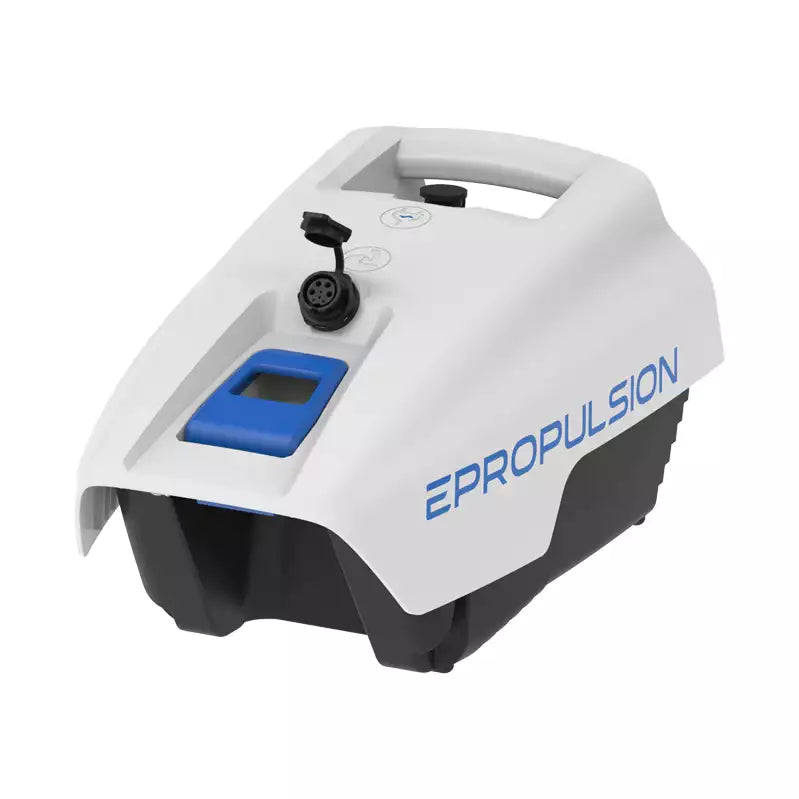
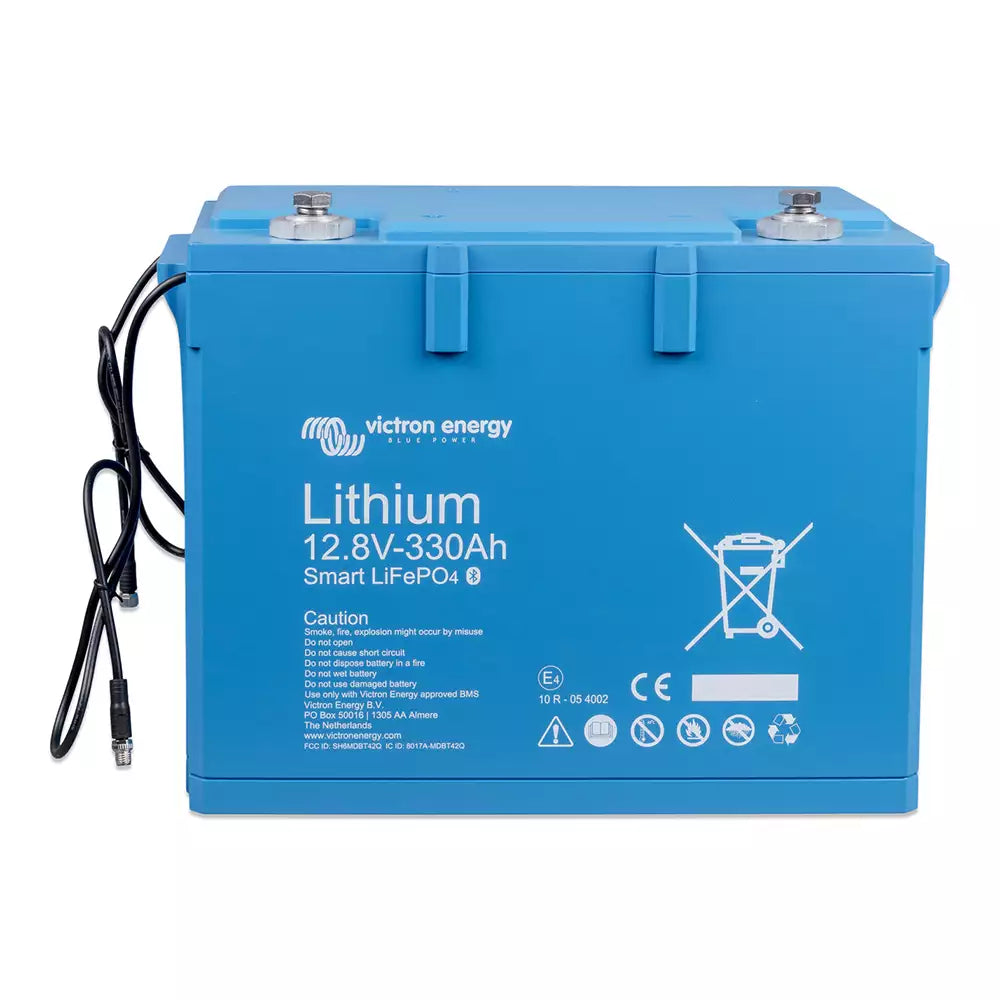
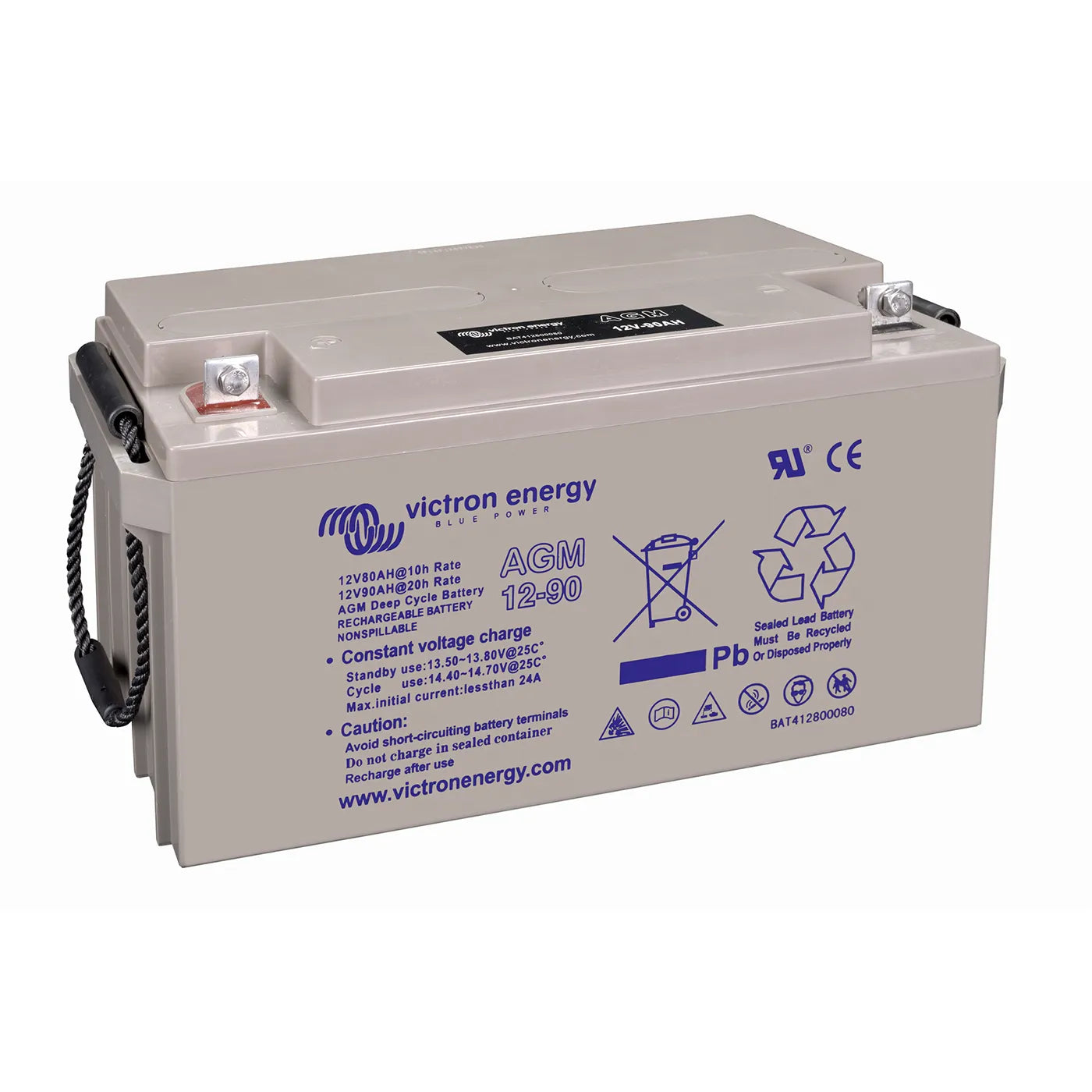
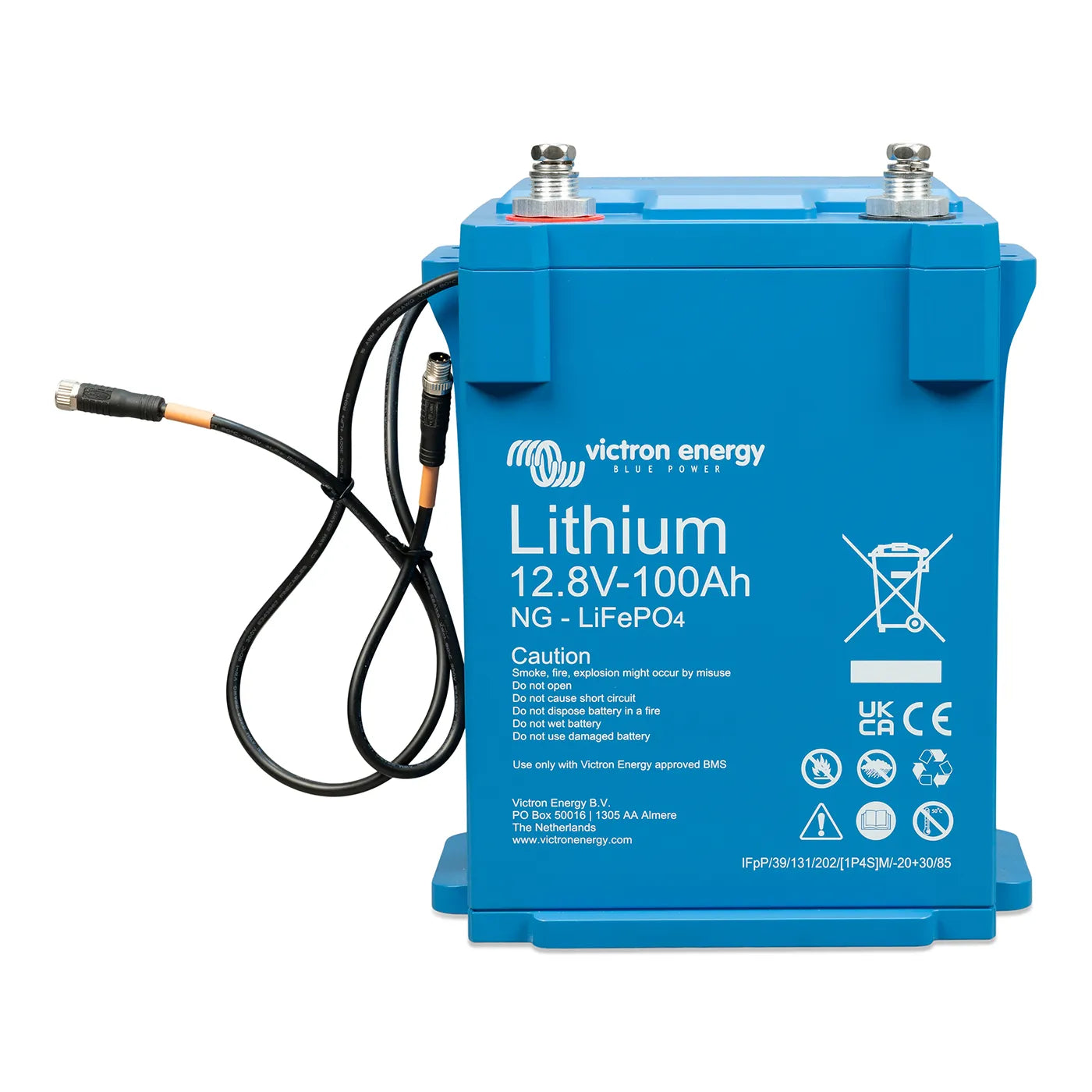



Which battery fits your bank?
House bank or propulsion bank, 12V to 48V, lithium or lead-acid — the families we'd put in our own boats and rigs, compared side by side.
Swipe the table sideways to see every column →
| Battery | Chemistry | Voltage | Capacity options | Best for | From |
|---|---|---|---|---|---|
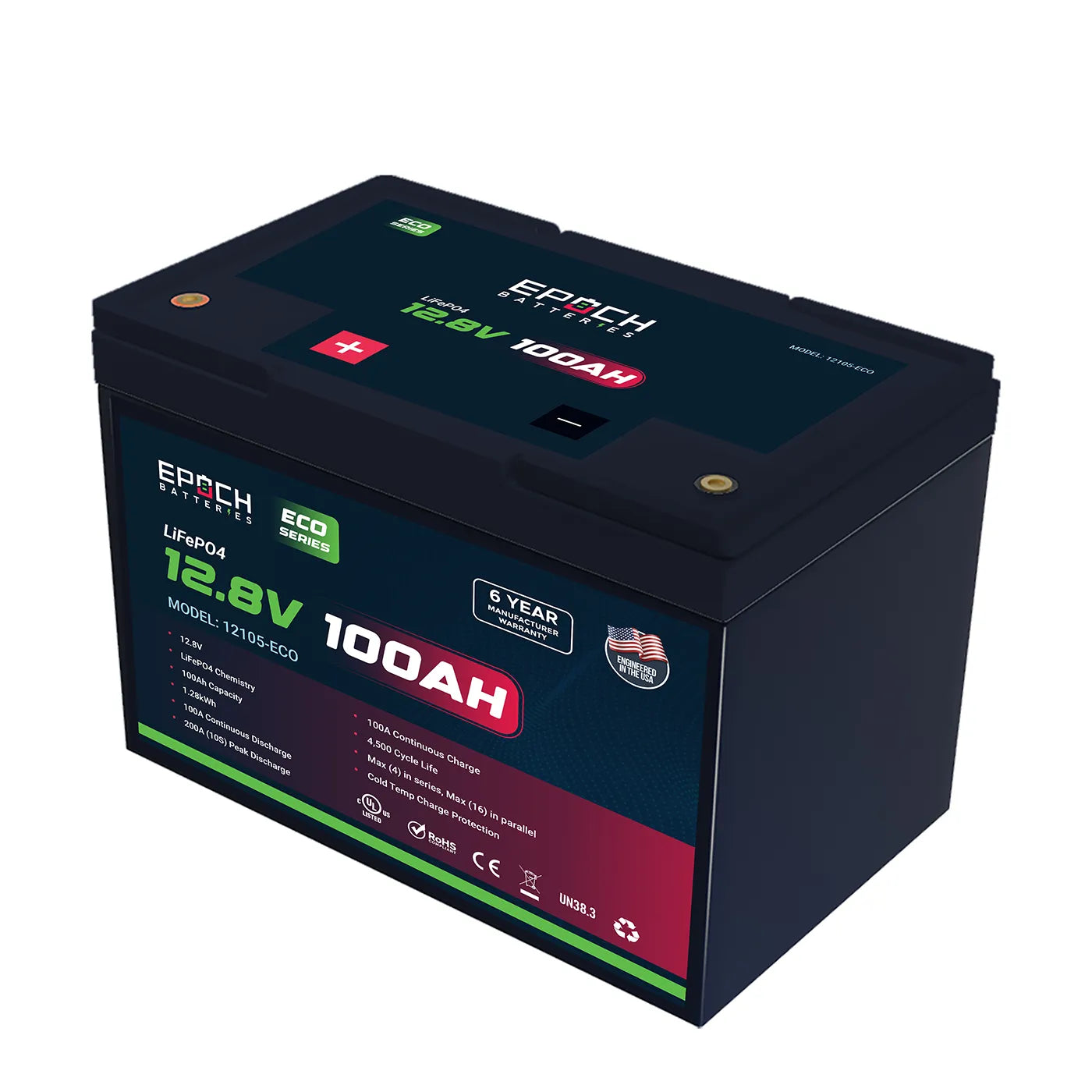
| Epoch Eco Series | LiFePO4 | 12V | 100Ah, 314Ah | Budget lithium for simple 12V house banks | $299 USD |
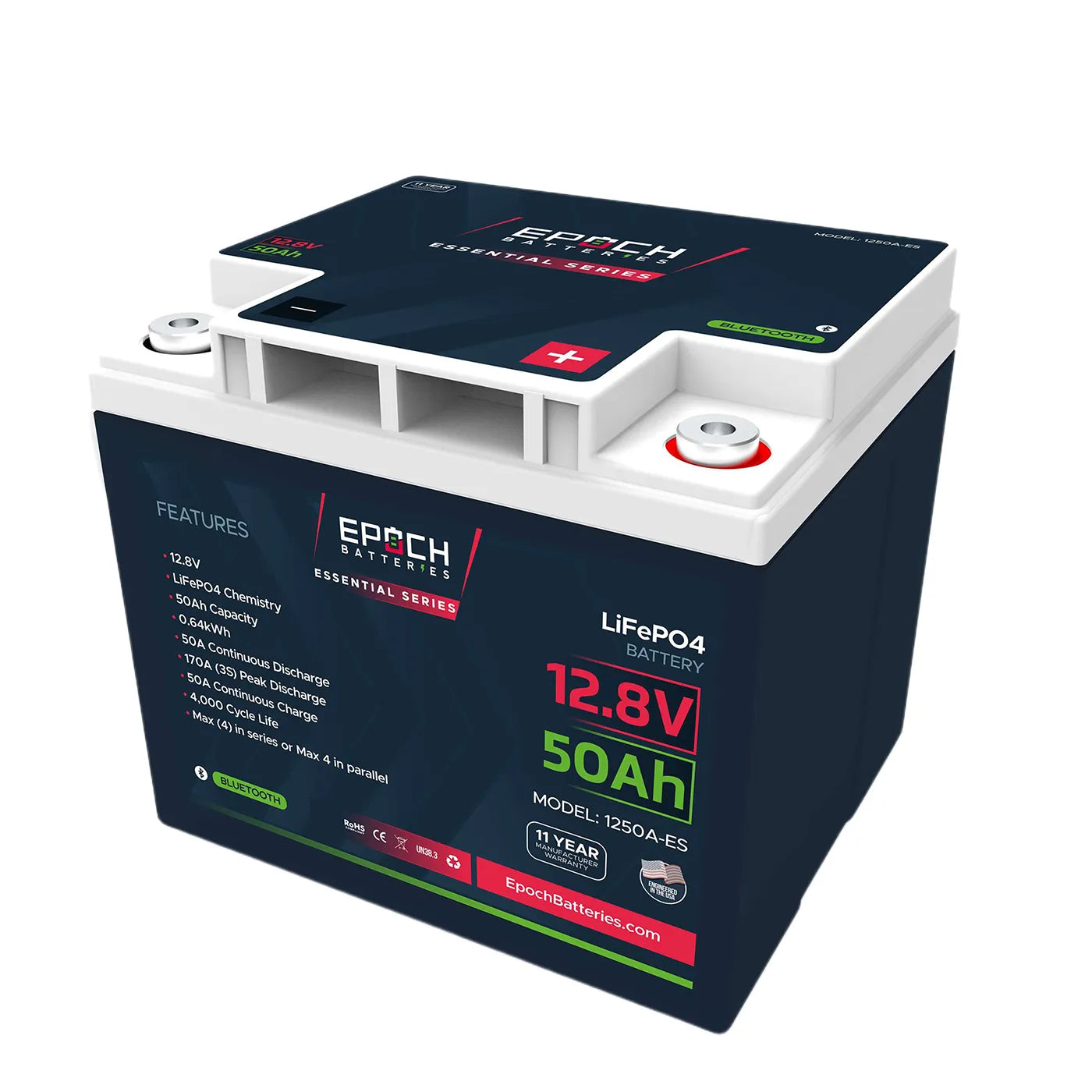
| Epoch Essential Series | LiFePO4 | 12V (& 36V) | 50–460Ah | Heated, Bluetooth — mainstream house bank | $249 USD |
| Epoch Original Series | LiFePO4 | 12 / 24 / 36 / 48V | 50 / 100Ah | Compact heated packs for higher-voltage small banks | $149 USD |
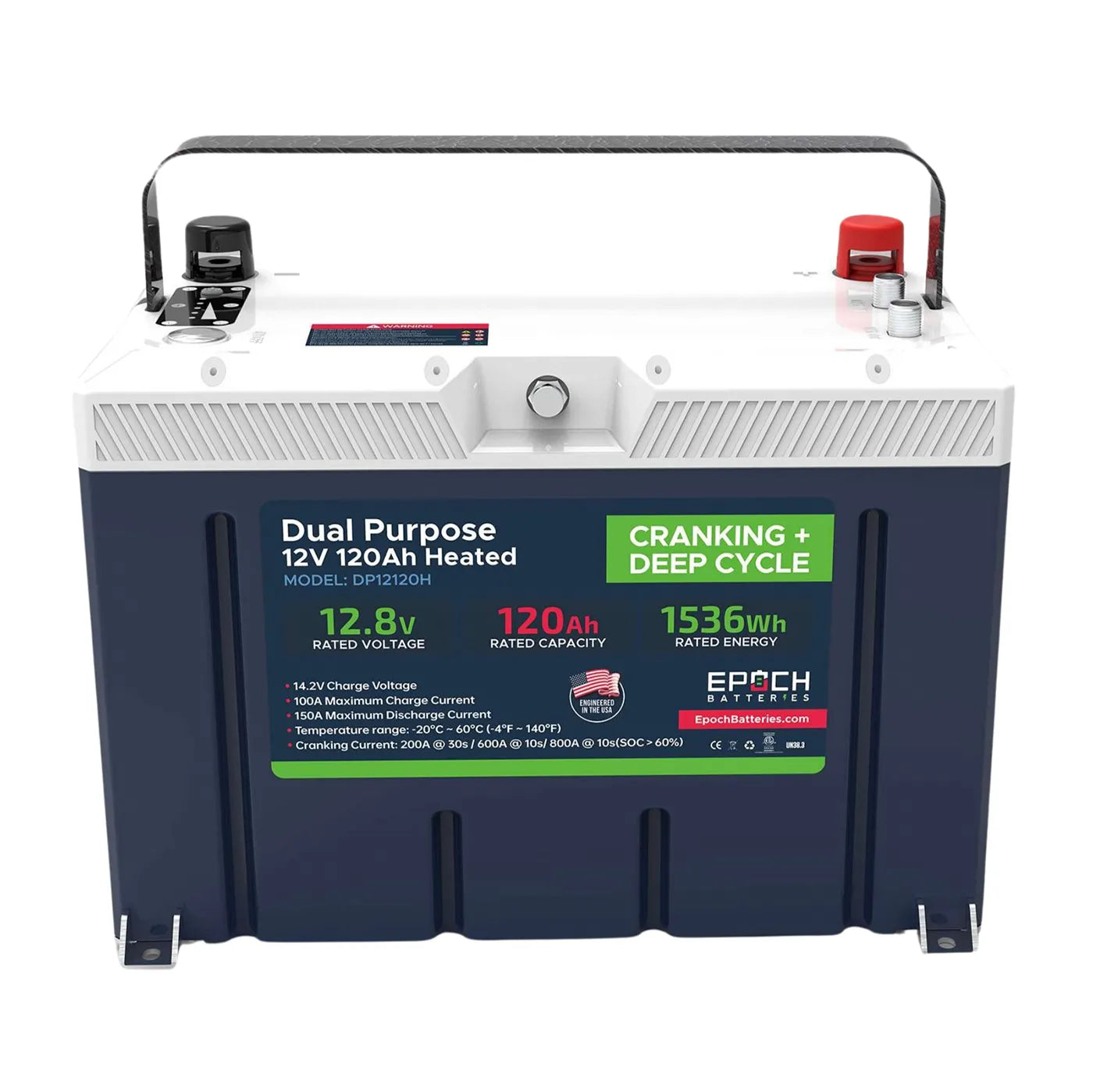
| Epoch Pro Series (Dual-Purpose) | LiFePO4 | 12V | 120Ah, 300Ah | Start + house in one, Victron-ready | $799 USD |
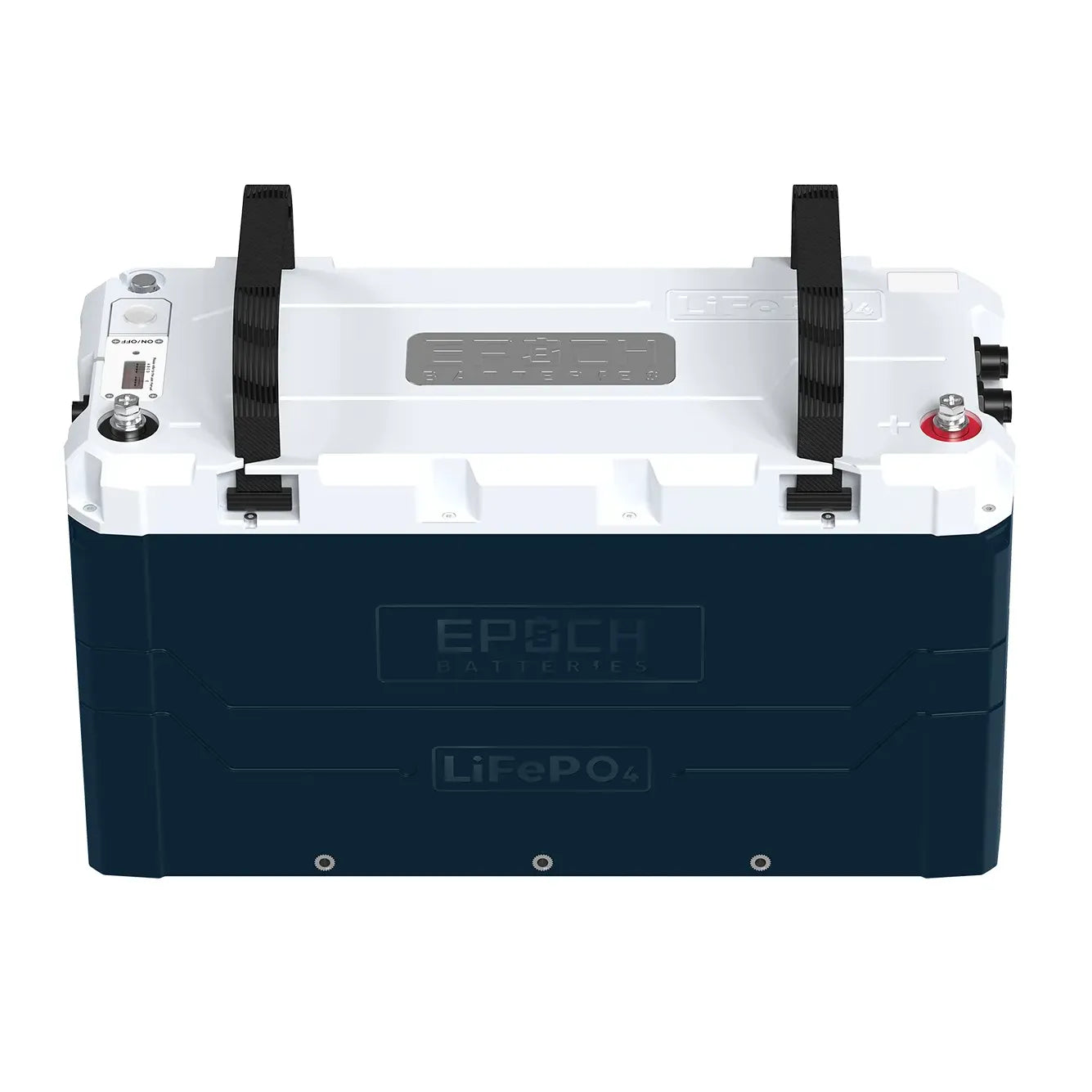
| Epoch V2 / V2-T Elite | LiFePO4 | 12 / 24 / 48V | 100–460Ah | Max capacity, heated, Victron-ready (V2-T adds a Class-T fuse) | $1,999 USD |
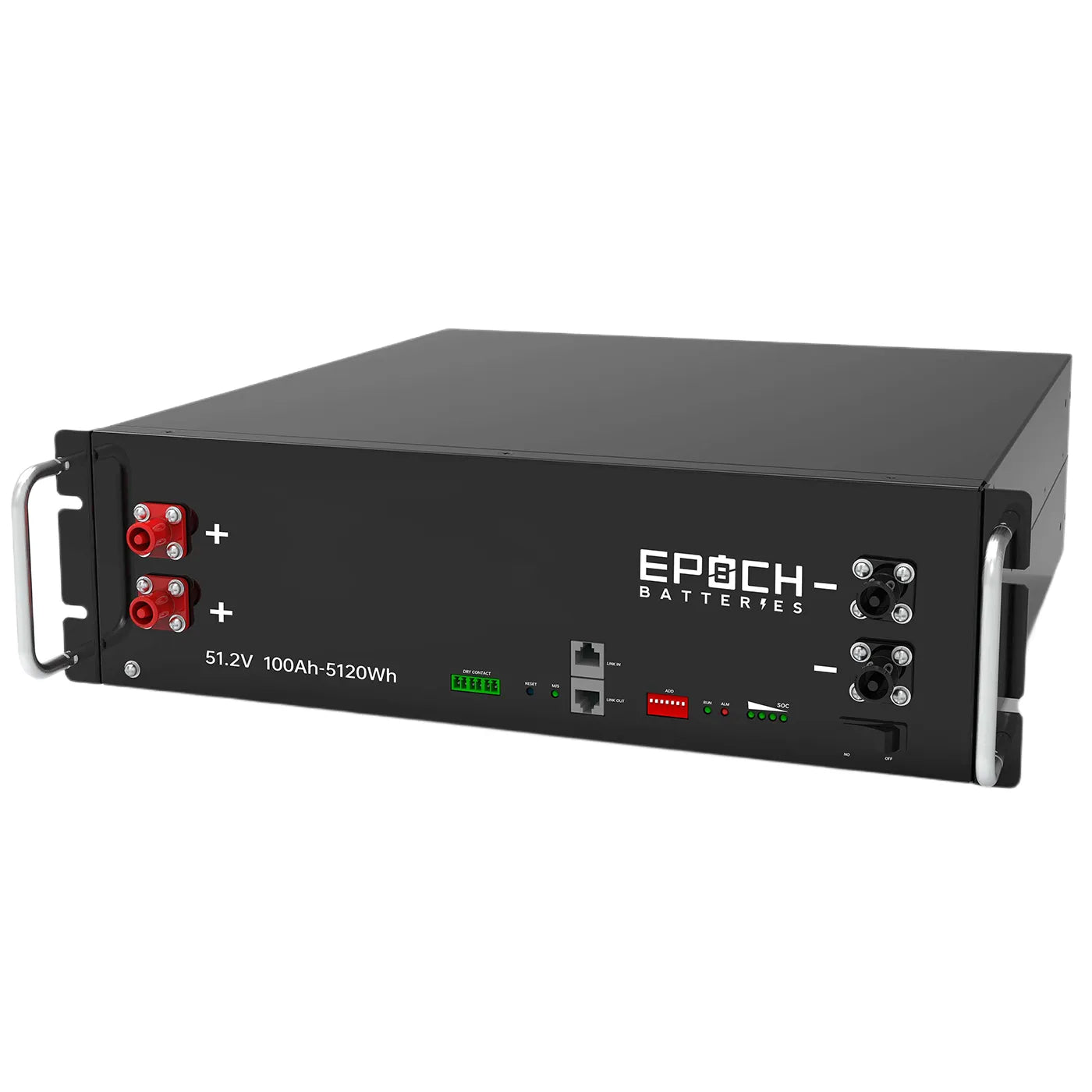
| Epoch 48V Server Rack | LiFePO4 | 48V | 100Ah | Self-heating 48V rack for larger system / ESS banks | $1,498 USD |
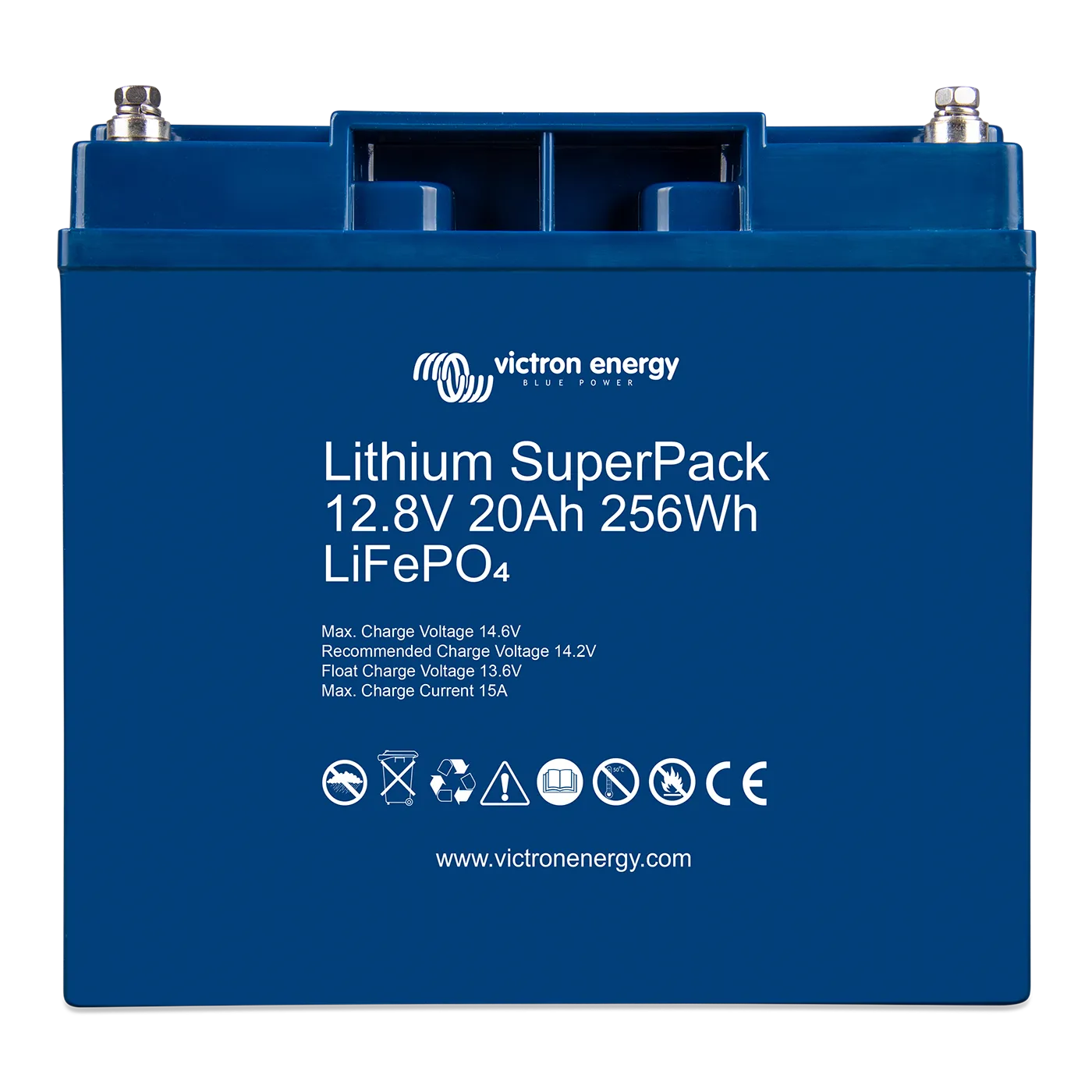
| Victron Lithium SuperPack | LiFePO4 | 12 / 24V | 20–200Ah | Built-in BMS, true drop-in, budget lithium | $277.10 USD |
| Victron SuperPack NG | LiFePO4 | 12 / 24V | 100, 200Ah | Drop-in with built-in BMS + Bluetooth | $935 USD |
| Victron Lithium Smart | LiFePO4 | 12 / 24V | 100–200Ah | Modular cells + external BMS for built-up systems | $1,025.10 USD |
| Victron Lithium NG | LiFePO4 | 12 / 24 / 48V | 100–300Ah | Newest Victron lithium, integrated electronics, incl. 48V | $973.25 USD |
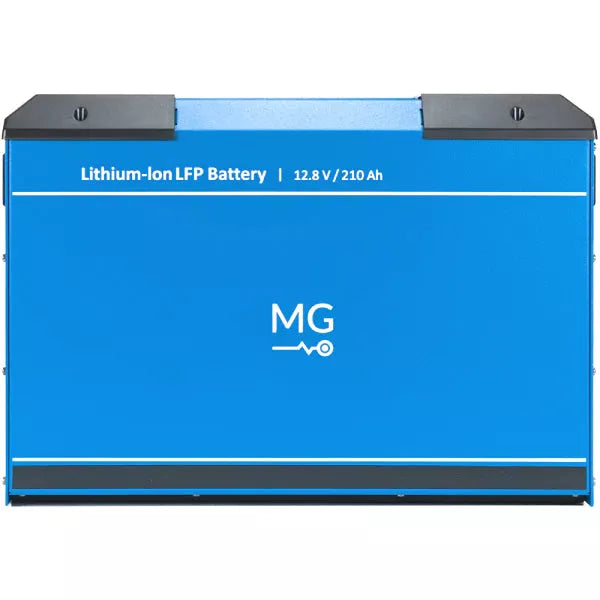
| MG LFP 12.8V | LiFePO4 | 12V | 210Ah | Premium integrated marine LFP | $2,265.62 USD |
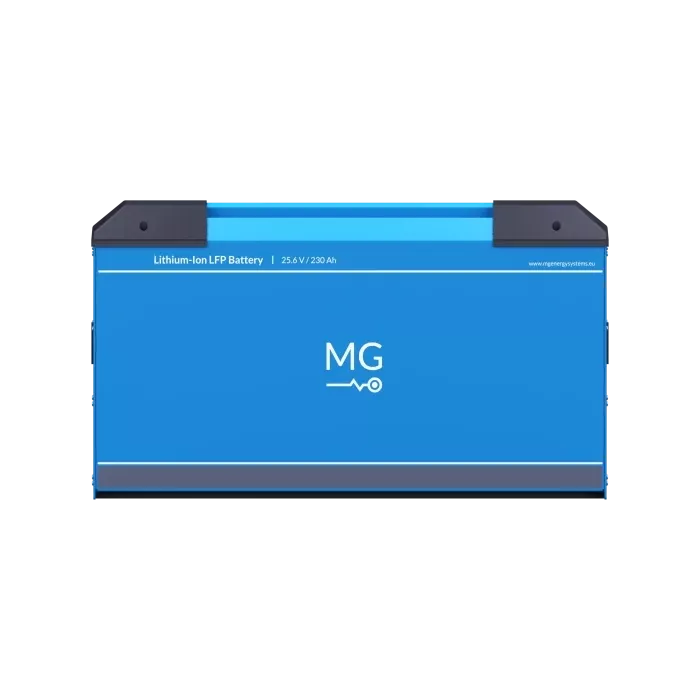
| MG LFP 25.6V Series | LiFePO4 | 24V | 230 / 280 / 304Ah (to 7.8 kWh) | Premium 24V high-capacity bank | $2,678.54 USD |
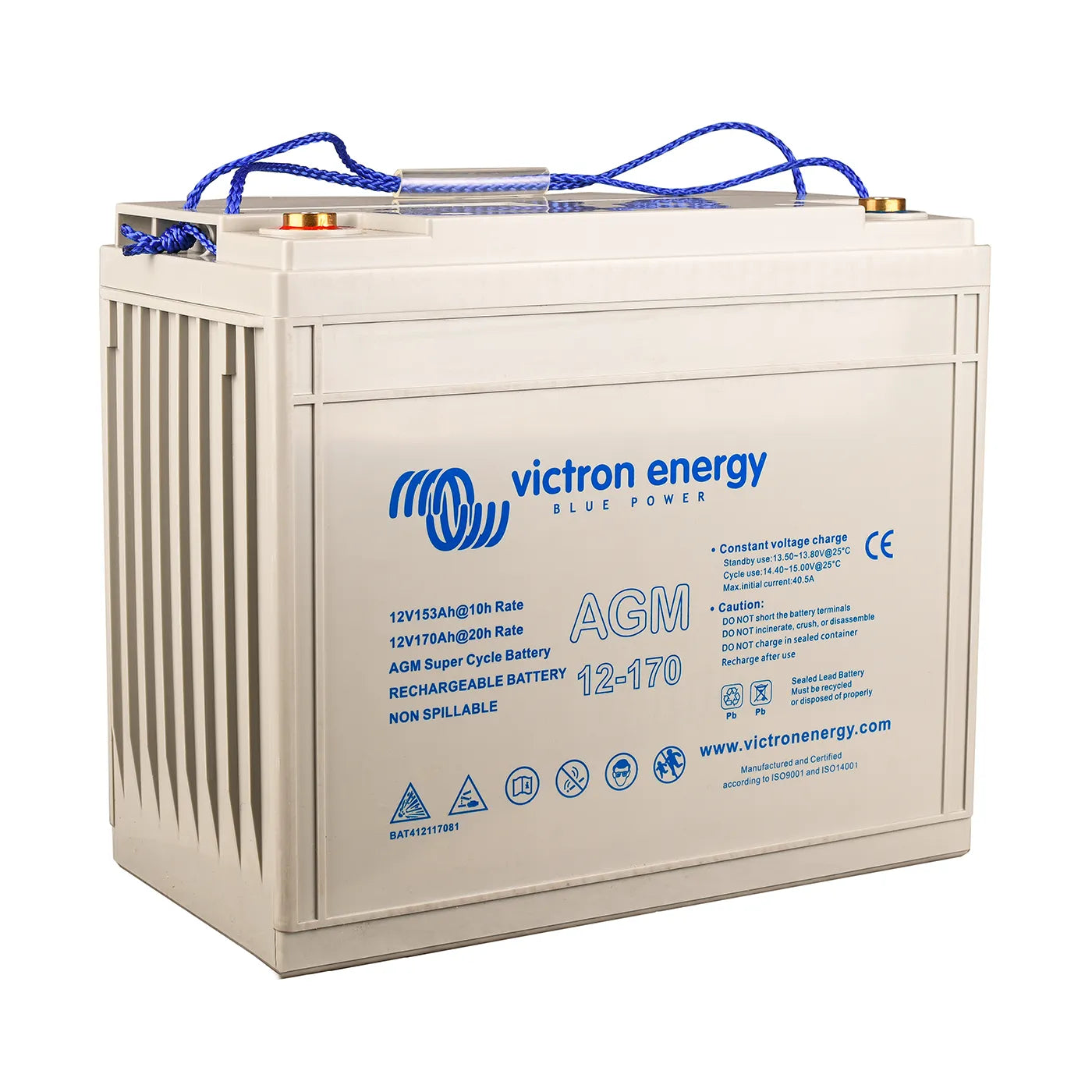
| Victron AGM / GEL Deep Cycle | AGM / GEL | 6 / 12V | 90–240Ah | Proven, budget VRLA for house duty | $234.60 USD |
| Victron AGM Super Cycle | AGM | 12V | 100, 125Ah | Tolerates occasional deep / full discharge | $361.25 USD |
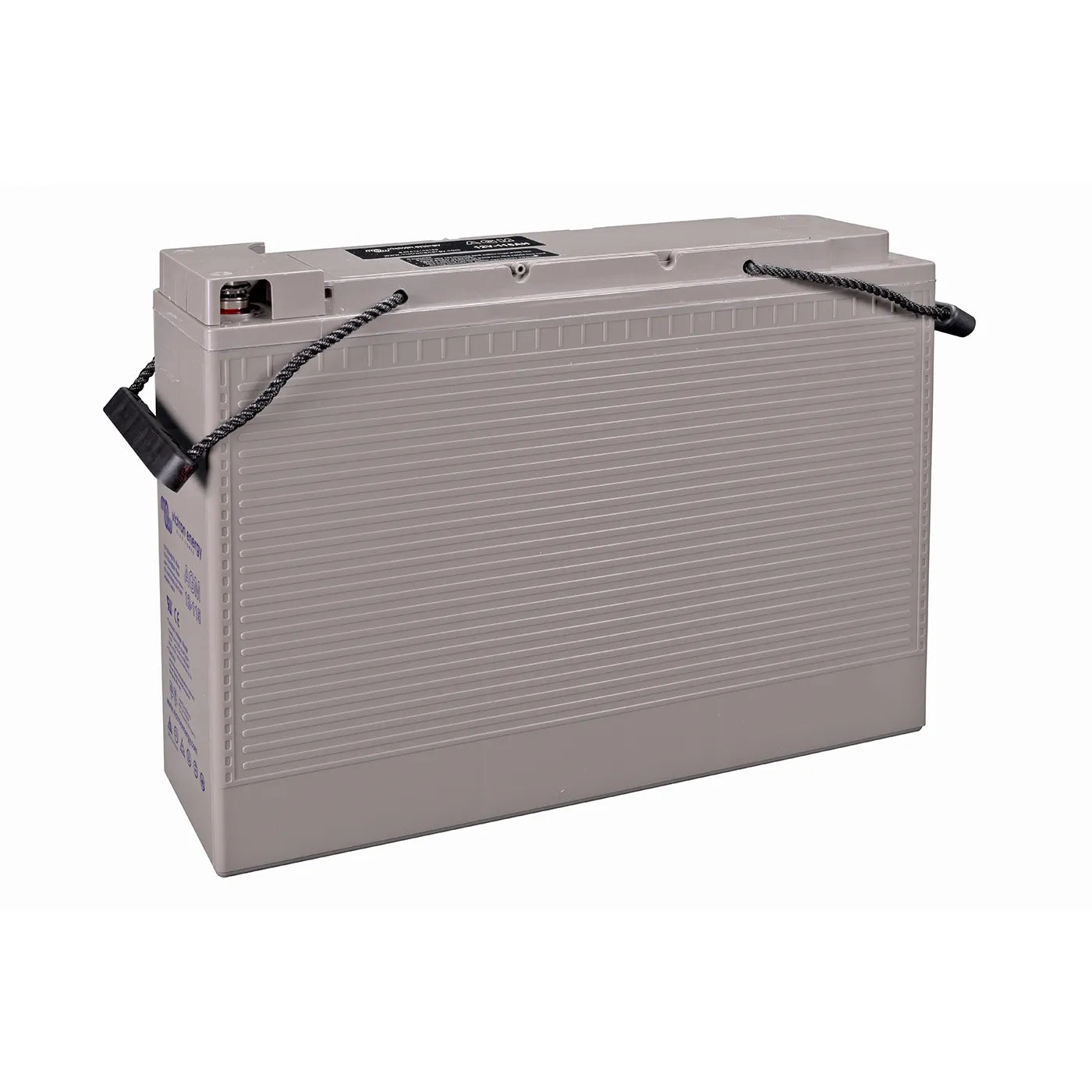
| Victron AGM Telecom | AGM | 12V | 115, 200Ah | Front-access terminals for tight installs | $325.55 USD |
Capacities shown are the options each family offers; prices update live. Not sure which chemistry or size? Talk to an advisor and we'll size it from your actual loads.
How to choose, in three questions
Chemistry, capacity, and how it wires in — answer these and you'll know roughly where you land.
Lithium or lead-acid?
LiFePO4 (Victron, Epoch, MG) wins on weight, cycle life (thousands of cycles vs hundreds), and usable capacity — you can safely use nearly all of a lithium bank versus about half of a lead-acid one. AGM and GEL cost less up front, need no BMS, and still make sense for budget builds, starting duty, or simple backups.
How big a bank do you need?
Add up your daily loads in amp-hours (or watt-hours), then multiply by the days you want between charges. Lithium lets you draw nearly the full rating; with lead-acid, plan on roughly half. Not sure where to start? Our advisors size the bank from your actual loads.
Drop-in, or a system battery?
Drop-ins with a built-in BMS (Victron SuperPack, most Epoch) are the simplest swap — wire them like a lead-acid battery. Modular cells with an external BMS (Victron Smart, MG) give more control and scale for bigger integrated systems. Heated and Victron-ready models suit cold climates and Victron-managed setups.
Why buy your batteries from Blue Marine
Authorized dealer
For Victron Energy, Epoch, and MG Energy — warranty handled by us, not a ticket queue.
ABYC-certified advisors
We size the bank, BMS, charging, and protection as one system — lithium or lead-acid.
Free US shipping over $49
Plus 60-day returns on non-lithium items and local pickup in Seattle.
Real people, real boats
Call (800) 628-6306 — we size house and propulsion banks every day.
Not sure how big a bank you need?
Tell us your loads, your charging, and how long you need between charges — we'll size the bank, BMS, and charger as one system.
Battery FAQ
LiFePO4 or AGM/GEL — which should I choose?
If weight, long cycle life, and usable capacity matter, LiFePO4 is usually the pick — it's lighter, lasts thousands of cycles, and you can use nearly the full rating. AGM/GEL costs less up front, needs no BMS, and is a solid choice for budget builds, starting batteries, or simple backup banks.
How many amp-hours do I need?
Add up the amp-hours your gear draws in a typical day, then multiply by the days you want between charges. With lithium you can plan on using nearly the full rating; with lead-acid, figure about half to protect its life. Our advisors are happy to size it from your real load list.
Will lithium batteries work in the cold?
LiFePO4 shouldn't be charged below freezing. The heated models we carry (most Epoch series, for example) warm themselves so they can charge in cold weather — a common pick for winter and shoulder-season use.
What's the difference between a drop-in battery and one that needs an external BMS?
A drop-in (Victron SuperPack, most Epoch) has the battery-management system built in, so you wire it much like a lead-acid battery. Modular options (Victron Smart cells, MG) use a separate external BMS, which gives more monitoring and control for larger, integrated systems.
Do I need a different charger for lithium?
LiFePO4 charges best with a lithium charge profile. Most modern chargers and Victron equipment support it — a common approach is to set the charger to the LiFePO4 profile the manufacturer specifies. If you're pairing with solar or shore charging, we can confirm the settings for your setup.
12V, 24V, or 48V — how do I pick?
Smaller house and tender banks are usually 12V. As power needs grow, 24V and 48V move the same energy at lower current — thinner cables, less loss — which is why larger boats and off-grid systems often run 48V. The motor, inverter, or charger you're feeding usually sets the voltage.
Can I mix chemistries, brands, or old and new batteries?
Within one bank, use matching batteries — same chemistry, age, and capacity — so they share load and charge evenly. You can absolutely run, say, a lithium house bank alongside a separate lead-acid starting battery; they just shouldn't be paralleled into the same bank.
Are LiFePO4 batteries safe in a boat or enclosed space?
LiFePO4 is one of the most stable lithium chemistries and is widely used in marine and RV installs. As with any battery, proper fusing matters — some of our Epoch Elite batteries even build in a Class-T fuse — and our advisors can spec the protection for your install.