
Filters



Which marine solar panel fits your boat?
Flexible, rigid, or bifacial — from a trickle for a trolling battery to a full liveaboard array, the panels we'd mount on our own boats.
Swipe the table sideways to see every column →
| Panel | Watts | Type | Best for | From |
|---|---|---|---|---|
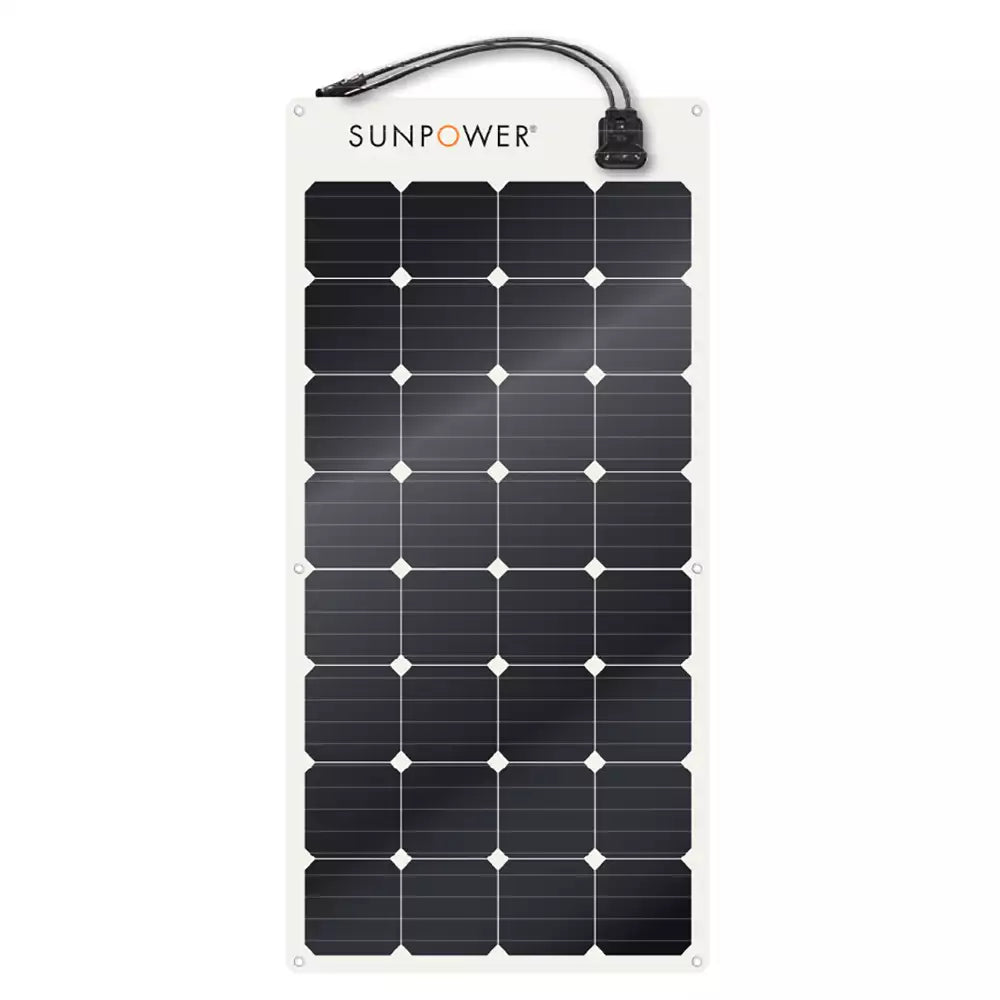
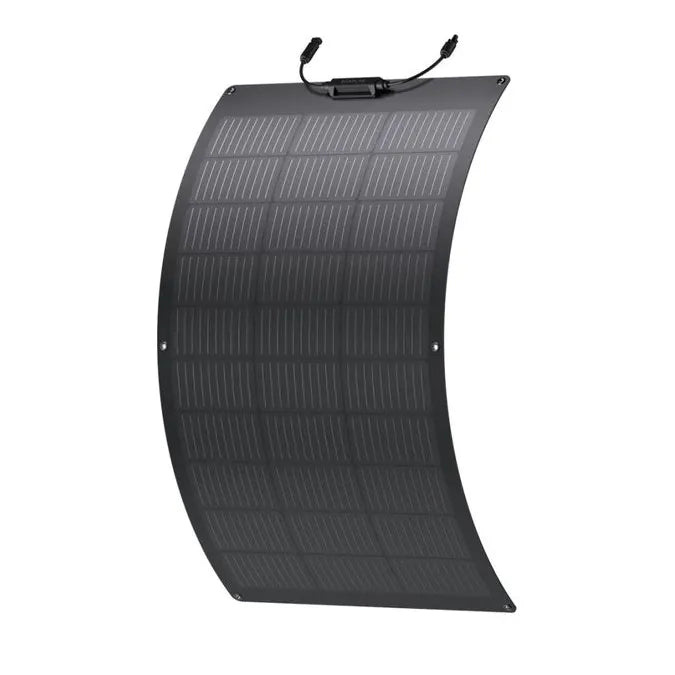
| SunPower SPR-E-Flex | 50W / 95W | Flexible, Maxeon cells | Biminis, curved decks, small banks | $39.45 USD |
| Blue Marine 100W Flexible | 100W | Flexible, ETFE coating | Budget-friendly deck mounting | $79 USD |
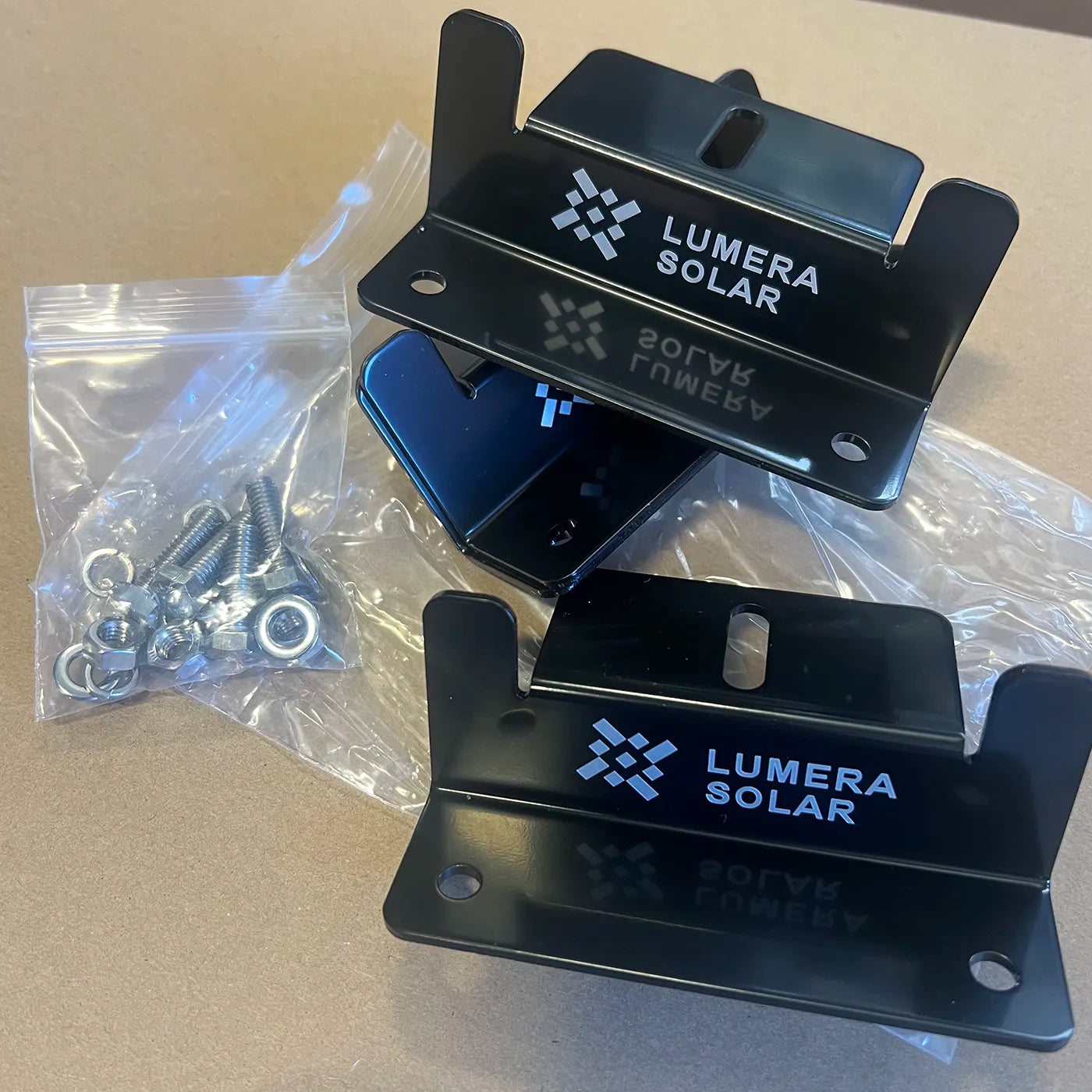
| Lumera 100W Bifacial | 100W | Rigid bifacial, Canadian-made | Compact mounts with reflected light | $119.99 USD |
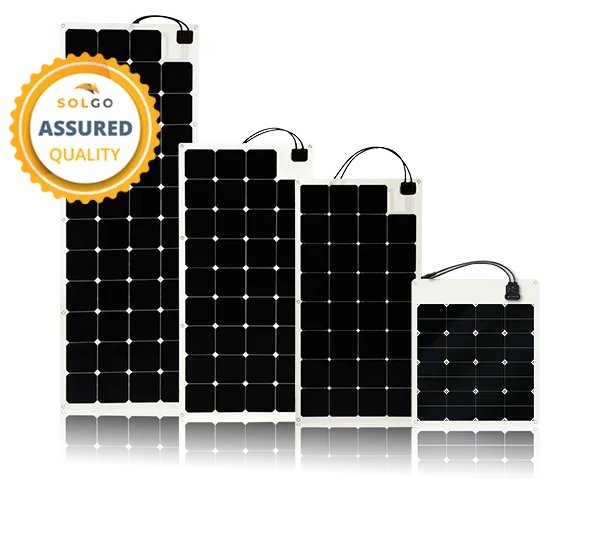
| Sol-Go Flexible | 100–284W | Flexible, Maxeon cells | Larger flexible arrays, walk-on decks | $199.95 USD |
| Lumera 140W Bifacial | 140W | Rigid bifacial, long & narrow | Sailboat rails, narrow runs | $199 USD |
| Lumera 220W Bifacial | 220W | Rigid bifacial (12V / 24V config) | Maximum output per mount point | $212.98 USD |
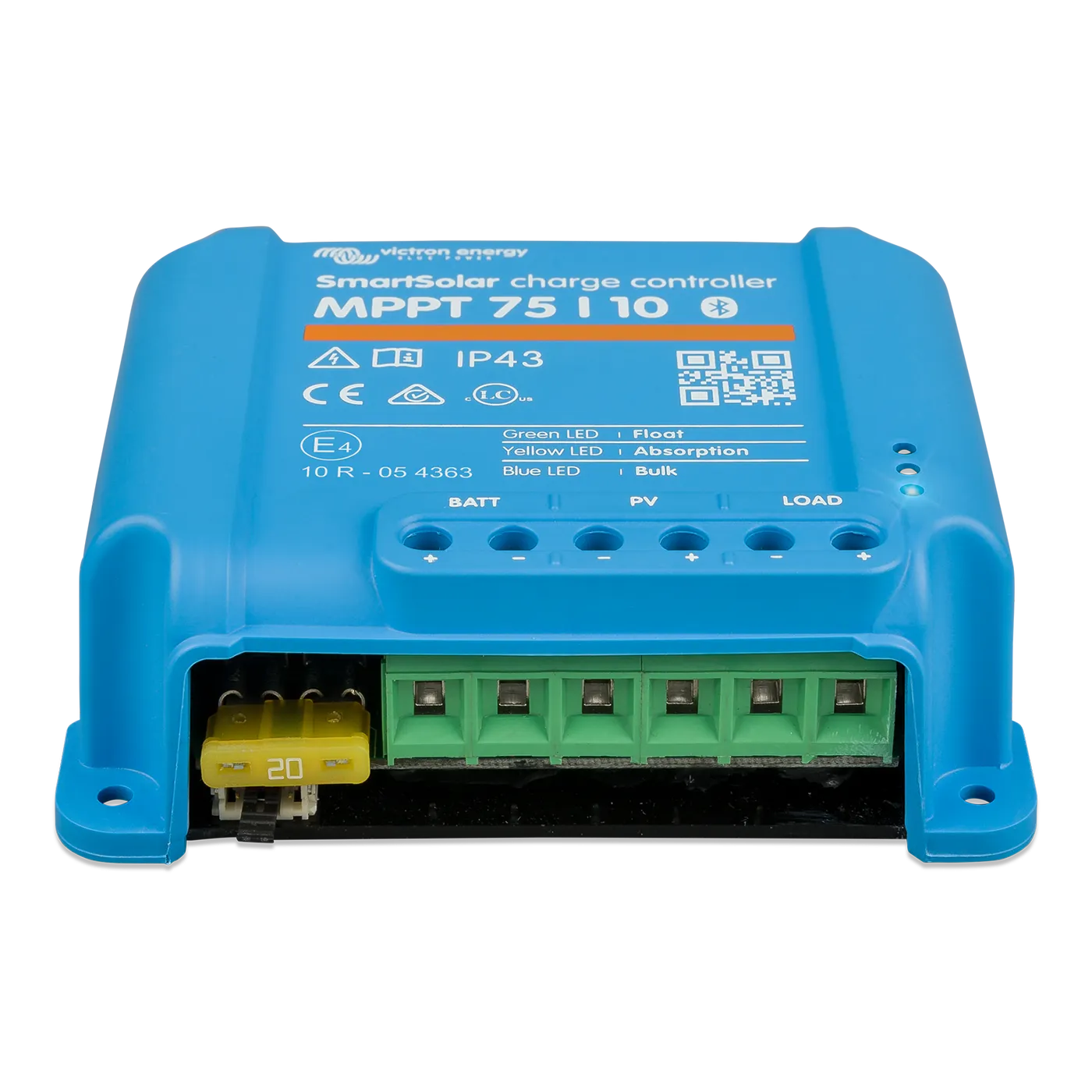
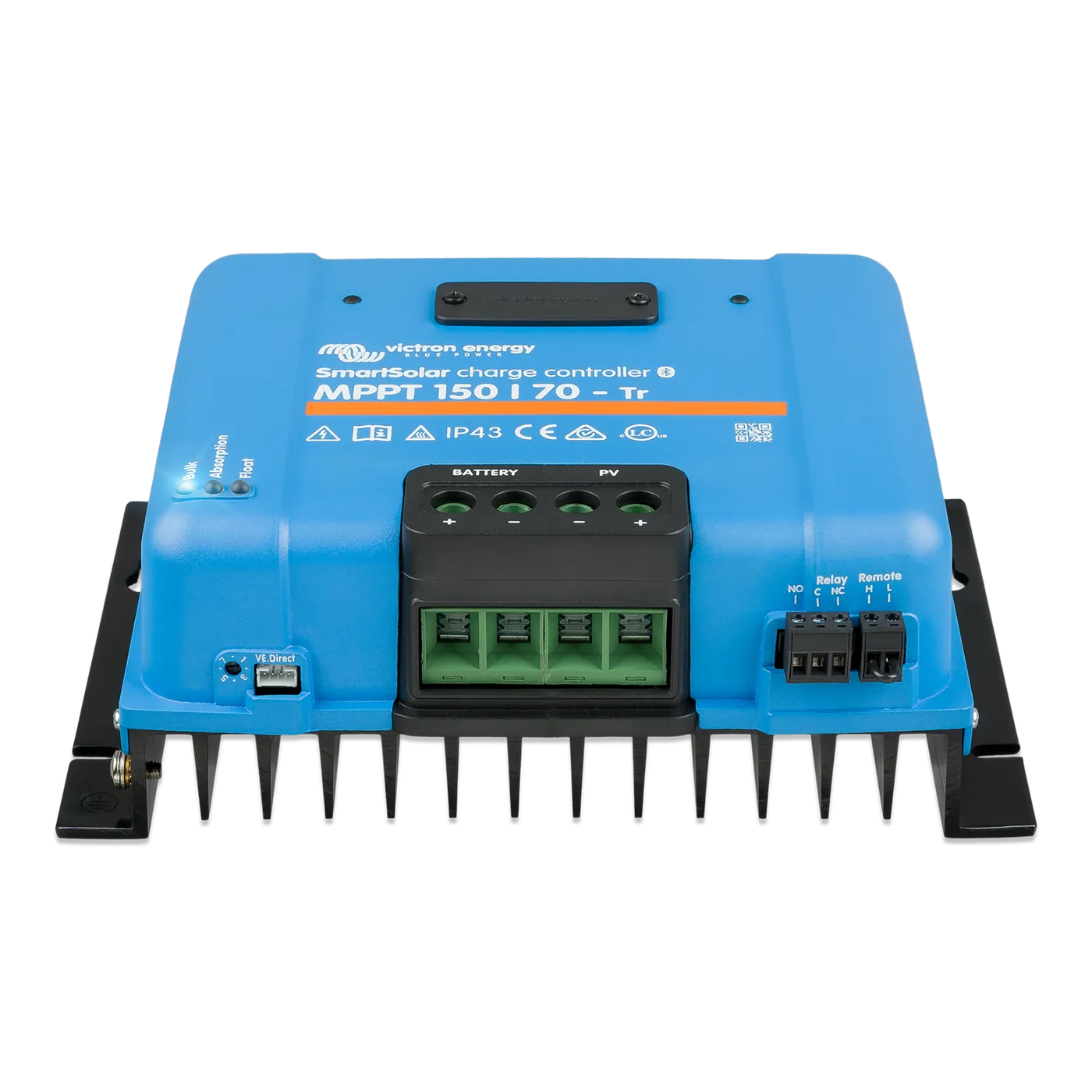
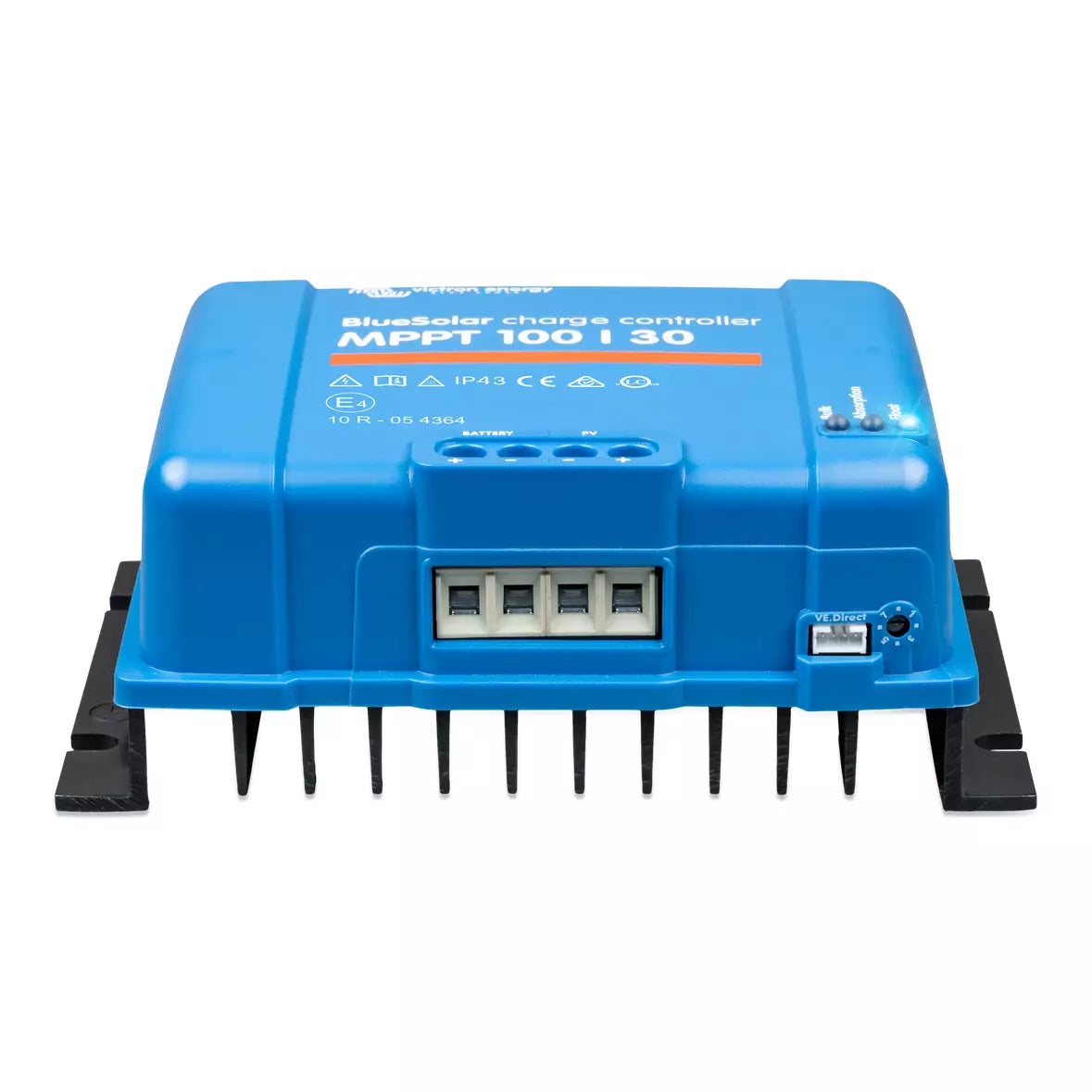
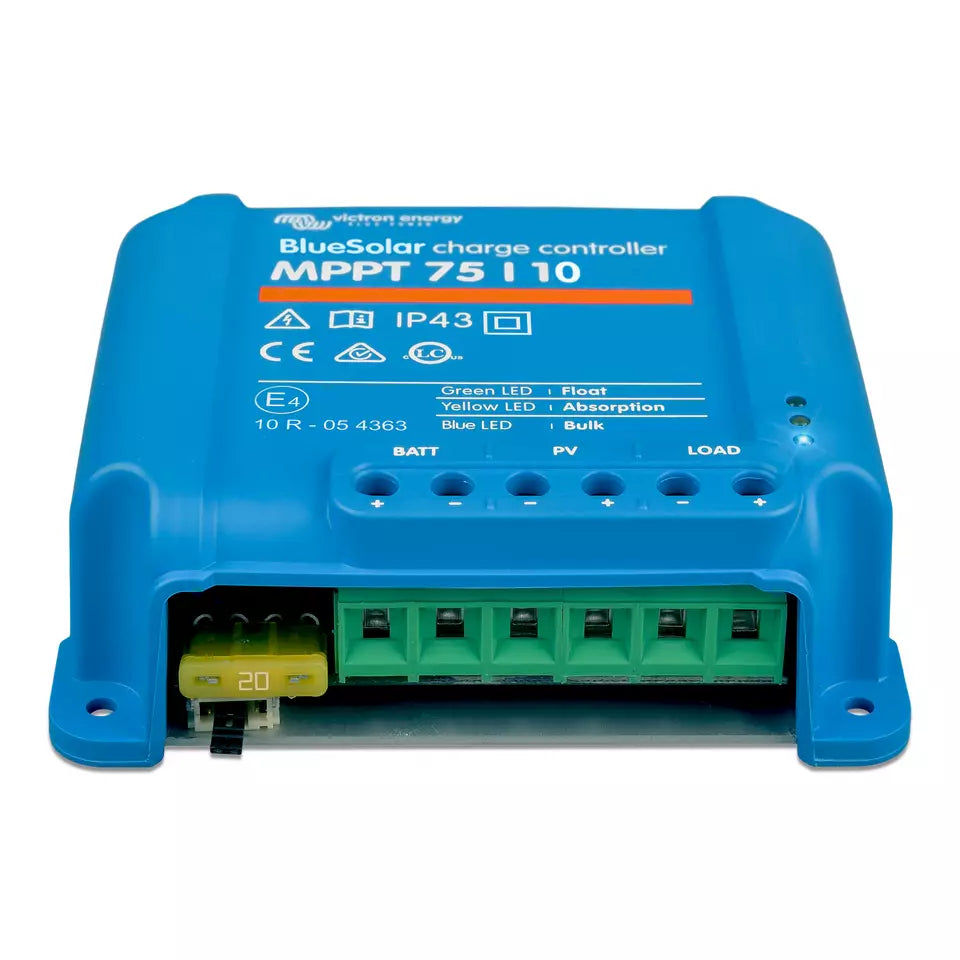
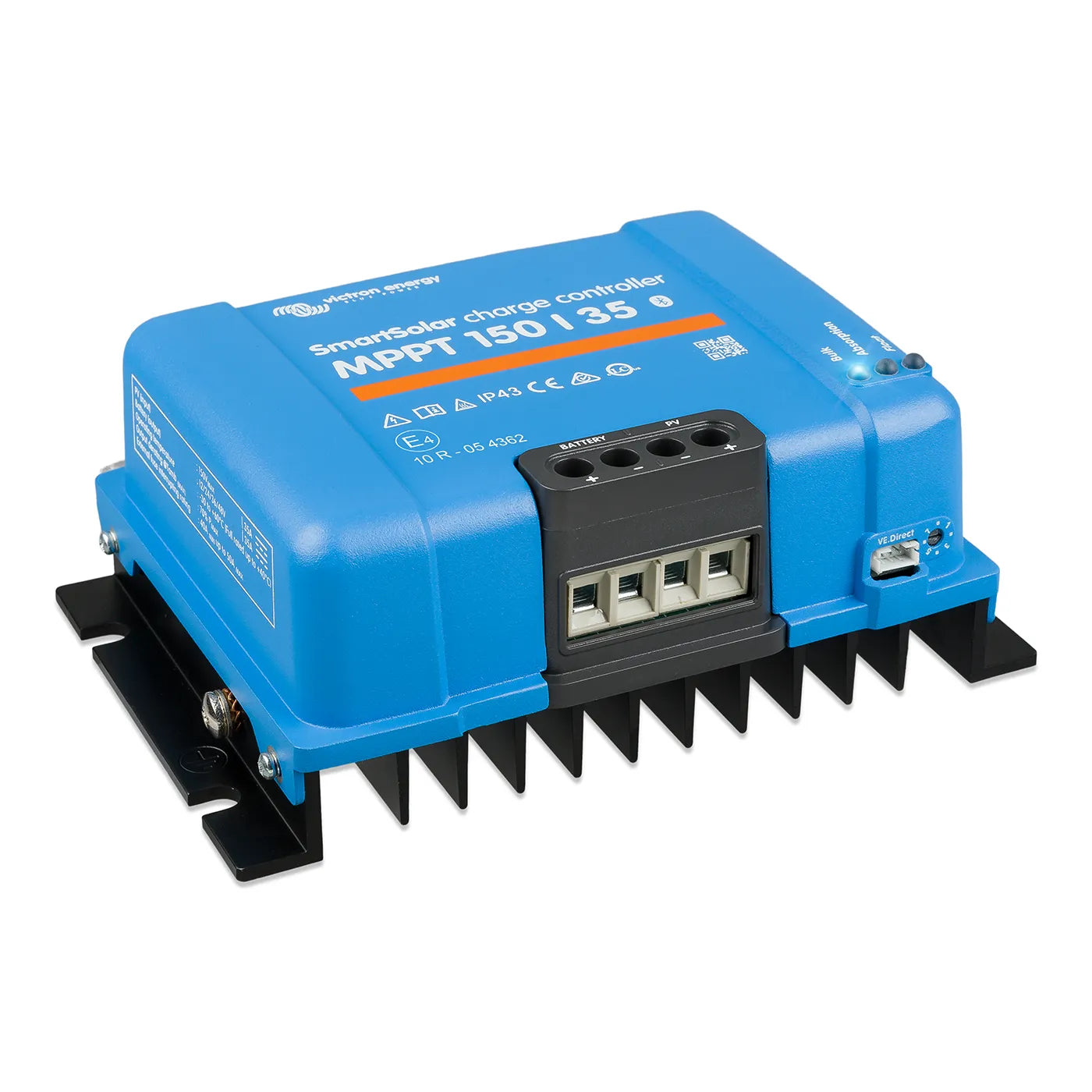
And the Victron MPPT charge controllers to match — from the $65 SmartSolar 75/10 for a single small panel to the VE.Can 250/100 for full off-grid arrays. New to MPPTs? Read How to Choose the Right Victron Solar Charge Controller.
Sizing a marine solar system, in three questions
Power, placement, and the controller — answer these and you'll know roughly what to buy.
How much power do you actually use?
A weekend boat keeping a house bank topped off is often happy with 100–200 W. Run a fridge, instruments, and an autopilot all day and you're commonly at 200–400 W; liveaboards frequently go beyond. The honest way to size it: add up your daily amp-hours, then work back from your sun hours. Want help with the math? Our advisors are a call away.
Where will the panels live?
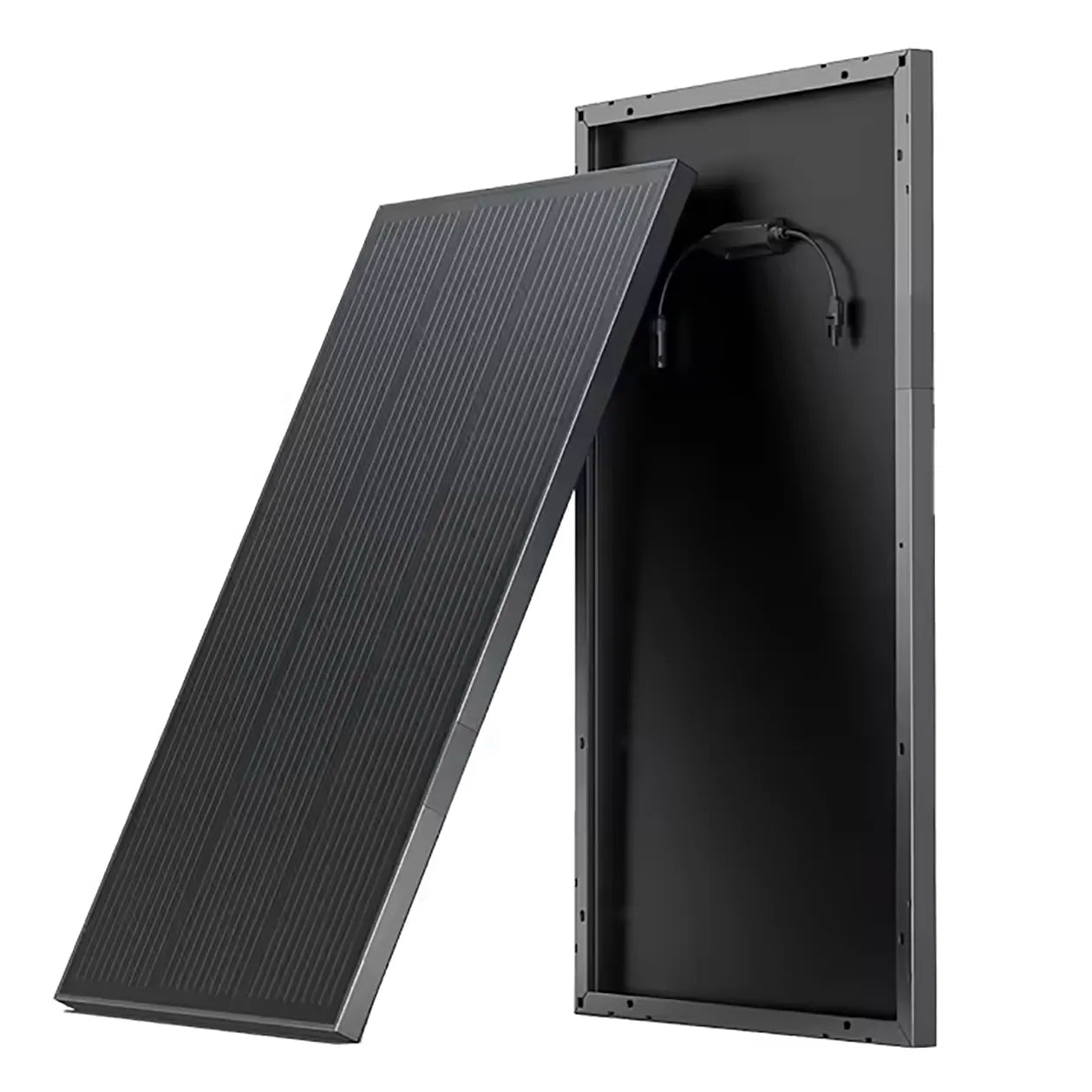
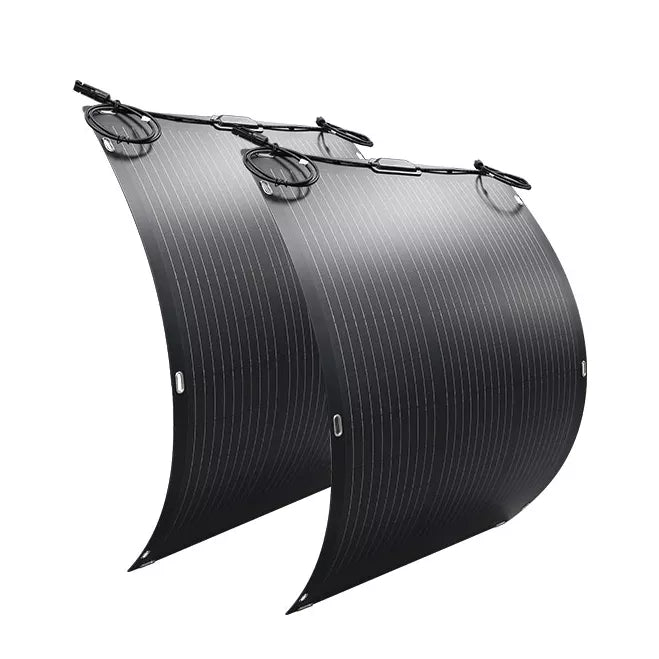
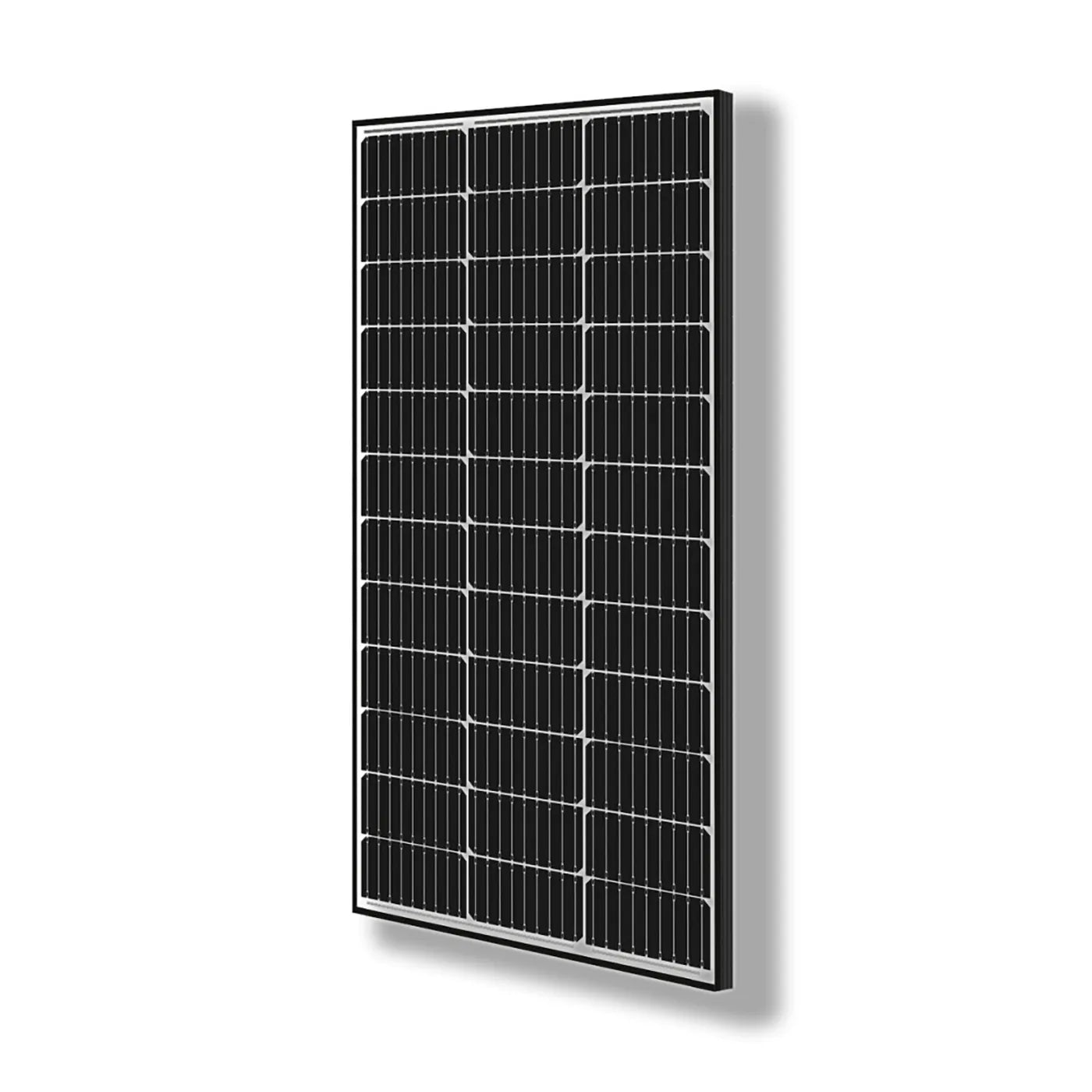
Flat, walkable deck space favors flexible panels (SunPower, Sol-Go, Blue Marine) that glue or grommet down with no frame. Arches, davits, and rooftops favor rigid panels — and bifacial models like the Lumeras pick up bonus output from light reflecting off the water or a white deck. Many sailboats end up mixing both.
Which charge controller?
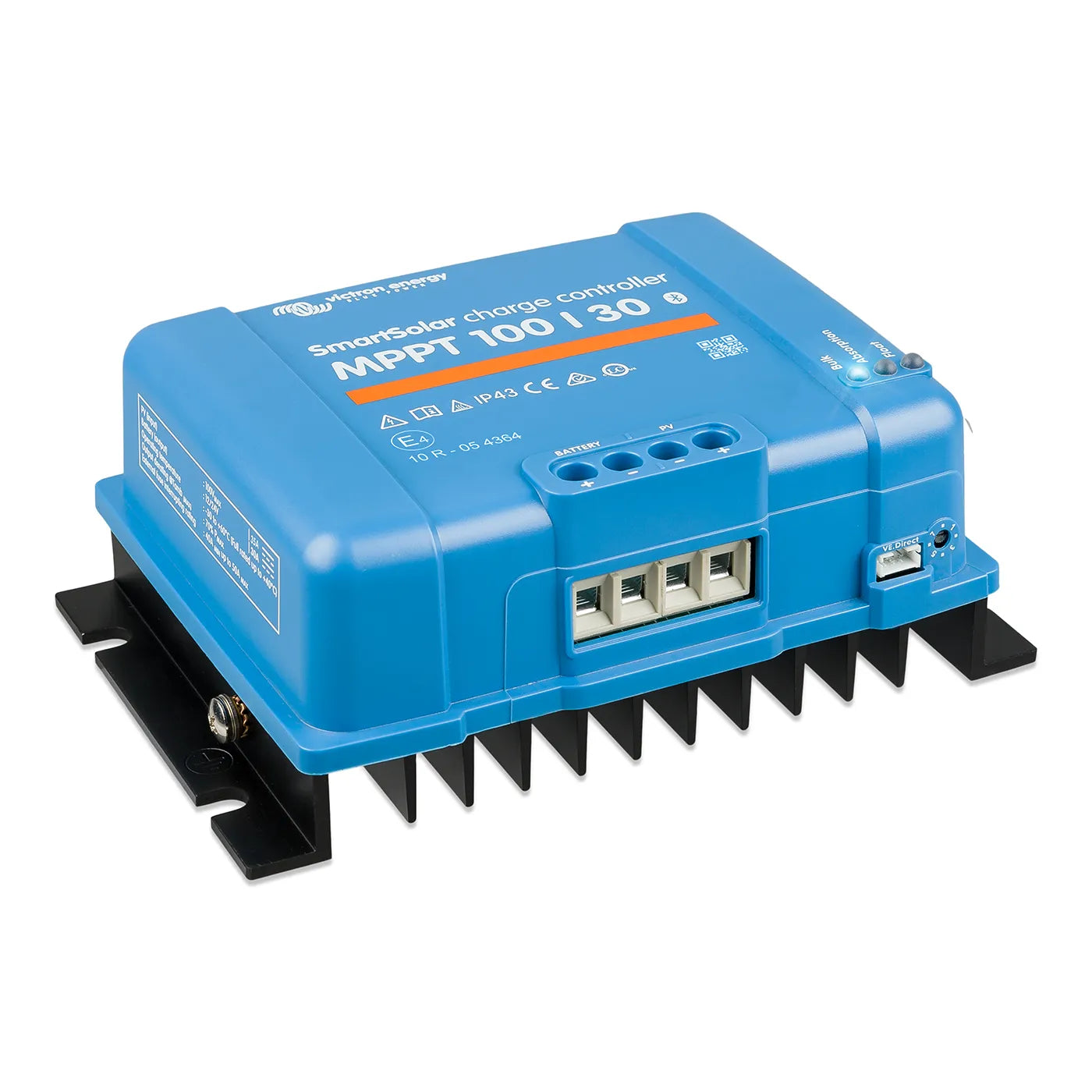
For nearly every marine install an MPPT controller is worth it — it turns excess panel voltage into charging current instead of wasting it. Victron's naming tells the limits: a SmartSolar 100/30 takes up to 100 V of panel input and delivers up to 30 A of charge. Rough start: panel watts ÷ battery voltage ≈ the charge amps you need.
Why buy marine solar from Blue Marine
True Blue Victron distributor
Plus authorized for SunPower, Lumera, and Sol-Go — and our own Blue Marine panels.
ABYC-certified advisors
We spec the panels, controller, wiring, and battery bank as one system — not just a box on a shelf.
Free US shipping over $49
Fast shipping from Seattle and 60-day returns on non-lithium items.
Real people, real boats
Call (800) 628-6306 Mon–Sat — we size marine solar every day.
Not sure how to size your array?
Tell us your daily power use, your deck space, and your battery bank — we'll size the panels, MPPT, and wiring as one system.
Marine solar FAQ
How many watts of solar do I need for my boat?
Start from your daily power use, not the panel size. As a rough guide: topping off a house bank on a weekender takes 100–200 W; running a fridge and instruments daily takes 200–400 W; liveaboard loads often justify 400 W or more. Halve your expected output for cloudy days and shading, and you'll rarely be disappointed.
Flexible or rigid solar panels for a boat?
Flexible panels win on curved surfaces, biminis, and anywhere weight or a frame matters — and several (like the Sol-Go and SunPower E-Flex) tolerate occasional foot traffic. Rigid framed panels win on output per dollar and longevity when you have an arch, davits, or rooftop to mount them. There's no single right answer; plenty of boats run both.
What's a bifacial panel, and is it worth it on the water?
Bifacial panels harvest light from both faces — direct sun on top, reflected light underneath. Mounted off a white deck, a rail, or over water, Lumera rates the rear-side gain at up to 30%. On a shaded or flush-glued install the benefit shrinks, so it depends on your mounting.
Do I need an MPPT charge controller, or will PWM do?
PWM works when panel voltage closely matches battery voltage and budgets are tight. For nearly everything else — higher-voltage panels, cold mornings, partial shade — MPPT converts the surplus voltage into real charging current, often 10–30% more harvest. Every controller we carry is MPPT.
What size MPPT controller do I need?
Two limits matter: the controller's max PV input voltage must exceed your panels' open-circuit voltage on a cold day (panels make more voltage when cold), and its amp rating should cover panel watts divided by battery voltage. A 200 W array on 12 V wants roughly 15–20 A of controller. When in doubt, size the controller up — you can add panels later.
Can marine solar panels charge lithium batteries?
Yes — pair them with a charge controller that has a lithium profile. Victron's SmartSolar and BlueSolar MPPTs all have LiFePO4 presets and integrate with Victron lithium systems for charge coordination.
Can I walk on flexible solar panels?
Several flexible panels we carry are built for occasional, careful foot traffic — Sol-Go and SunPower E-Flex among them. Bare feet or soft soles, no standing pivots, and check each panel's spec sheet before making it a walkway.
Are there tax incentives for marine solar?
In many cases, yes — boats with sleeping, cooking, and toilet facilities can qualify as a second home for the federal residential clean-energy credit. Details and caveats on our Marine Solar Tax Incentives page; confirm specifics with your tax professional.