Rigid vs Flexible Solar Panels: Which Is Better for Boats and RVs?
Flexible panels look like the obvious choice for boats. They’re lighter, they conform to curved surfaces, and they don’t need a complicated mounting frame. So why do most experienced offshore sailors end up with rigid panels?
The answer isn’t that flexible panels are bad — it’s that they’re the right tool for specific situations, and the wrong tool for others. Getting this choice right matters because solar panels are a long-term investment. Here’s how to think it through.
What’s Actually Different
Both panel types convert sunlight into electricity. The difference is in the physical construction.
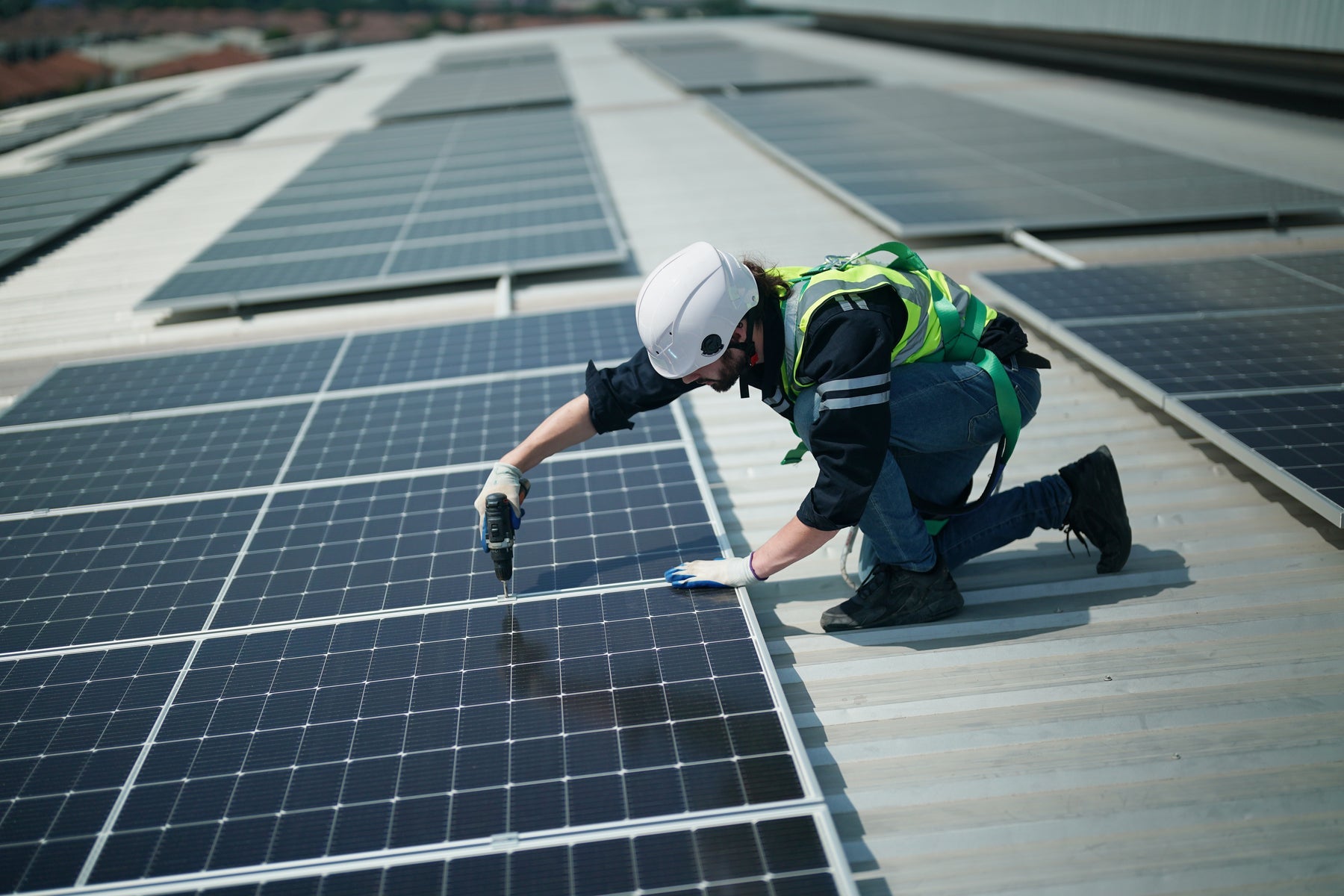
Rigid panels are built around tempered glass over a monocrystalline silicon cell array, framed in aluminum. The glass protects the cells, the aluminum frame provides structural rigidity, and the whole assembly is built to last 25+ years under outdoor conditions.
Flexible panels replace the rigid glass and aluminum with a thin, pliable substrate — typically a polymer backing — that allows the panel to curve and conform to non-flat surfaces. The cells themselves are similar, though the encapsulation and thermal management characteristics differ in ways that matter in real-world marine and RV use.
Efficiency: Rigid Wins, But the Gap Is Closing
Rigid monocrystalline panels typically achieve 20–22% cell efficiency. Quality flexible panels have closed much of that gap and can reach 18–22% efficiency in ideal conditions. In practice, the efficiency difference between a quality rigid and flexible panel of the same wattage rating is small. Where the difference shows up is in heat performance.
Heat: The Flexible Panel’s Hidden Problem
Solar panels lose efficiency as they heat up — typically around 0.3–0.5% per degree Celsius above 25°C. For rigid panels mounted with an air gap below them (on an arch, stern rail, or tilting mount), heat can dissipate. For flexible panels laminated directly to a deck or bimini surface, there’s nowhere for heat to go.
A flexible panel on a dark deck in the tropics can easily reach 60–70°C in direct sun. At those temperatures, you’re potentially losing 15–20% of rated output just from heat. This isn’t a reason to never use flexible panels — it’s a reason to understand what you’re buying and budget for the efficiency loss in warm climates.
Durability: The Clearest Difference
This is where rigid panels have a meaningful, documented advantage. A tempered glass surface is extremely resistant to impact, UV, and the constant thermal cycling and vibration that boats experience. Quality rigid panels carry 25-year power output warranties for a reason — the technology is proven over decades.
Flexible panels are more vulnerable to delamination (the adhesive bond between cells and substrate can fail over time with repeated thermal cycling), cell cracking (repeated flexing over rough passages can crack cells internally), and foot traffic damage. In practice, many sailors find flexible panels need replacement after 5–8 years, while rigid panels on the same boat are still performing well after 15+.
Where Flexible Panels Make Sense
Curved surfaces where rigid won’t fit. A rounded cabintop or curved bimini frame doesn’t work with flat rigid panels. If your available surface genuinely curves and you can’t use an arch or rail mount, flexible panels may be your only practical option.
Weight-critical applications. Racing sailors, performance cruisers, and RV owners watching roof weight may genuinely need the lighter option. A quality flexible panel can weigh half what a rigid panel does for the same wattage.
Supplemental capacity. If your boat’s architecture limits rigid panel placement, flexible panels on a bimini or dodger can add meaningful supplemental capacity even if they’re not your primary array.
Where Rigid Panels Make Sense
For most offshore and serious cruising applications, rigid panels are the better long-term investment.
Arch and stern rail mounts — the most common configuration on cruising sailboats — are purpose-built for rigid panels. The air gap beneath manages heat, the mounting hardware keeps them secure in rough conditions, and the installation doesn’t interact with the deck or bimini.
Tilting mounts let you angle the panels toward the sun, recovering 10–20% of output compared to fixed flat installs — a gain that flexible panels can’t replicate since they’re adhered to a surface.
Our Recommendation
For most boat and RV installations, rigid monocrystalline panels are the default choice. Better long-term durability, better heat management when properly mounted, and a better warranty track record. If you’re building a permanent solar array and have mounting options, start with rigid.
Choose flexible panels when your surface genuinely requires it — curved geometry, weight restrictions, or supplemental capacity on surfaces that can’t support a rigid frame. Go in knowing you may be looking at a shorter service life and factor that into the cost comparison.
Whatever type you choose, pair it with an MPPT charge controller. Browse the full solar panel collection and MPPT charge controllers at Blue Marine, or schedule a free consultation with our ABYC-certified team.
Related reading:
How Many Solar Panels Do I Need for My Boat?
How to Size a Battery Bank for Your Boat
How to Install Solar Panels on a Sailboat: A Step-by-Step Guide