How to Install Solar Panels on a Sailboat: A Step-by-Step Guide
Installing solar on a sailboat is one of the most rewarding electrical upgrades you can make — and one of the few that genuinely pays back on passage. Get it right and you have free, quiet, maintenance-light power every day the sun is out. Get the installation wrong and you’re dealing with underperforming panels, corroded connections, or a charge controller that’s not matched to your system.
Step 1: Size the System Before You Buy Anything
The most common mistake is buying panels first and figuring out the rest later. Do it the other way around.
You need three numbers: daily energy use (Wh), peak sun hours for your cruising area, and required panel watts. The formula: Daily Wh ÷ Peak Sun Hours ÷ 0.8 = Required panel watts. The 0.8 accounts for real-world system losses. For a 1,200 Wh/day boat with 5 peak sun hours: 1,200 ÷ 5 ÷ 0.8 = 300W minimum installed capacity.
We cover this math in detail in the solar panel sizing guide. Have that number in hand before shopping.
Step 2: Choose Your Mounting Location
Stern arch or davit arch — the best option for most cruising sailboats. Panels sit well above the boom and rigging, angle can often be adjusted, and the structure keeps panels completely clear of foot traffic.
Stern rail or pushpit mount — works well for smaller panels (100–200W range) on boats without an arch. Panels tilt aft for good sun angle but are limited in total wattage given rail space.
Bimini or cockpit hardtop — practical if you have a permanent hardtop. Some self-shading from the boom in certain points of sail, but the area is often large enough to compensate.
Deck or cabintop — last resort for most sailboats. Panels are vulnerable to shade from the boom and mast, are in the crew traffic path, and can’t be tilted.
Non-negotiable: avoid shading. Even a thin shadow across one cell in a series-wired string can cut output from the entire string significantly. Identify where the boom, mast, and antennas cast shadows at different times of day before committing to panel locations.
Step 3: Choose Your Panels
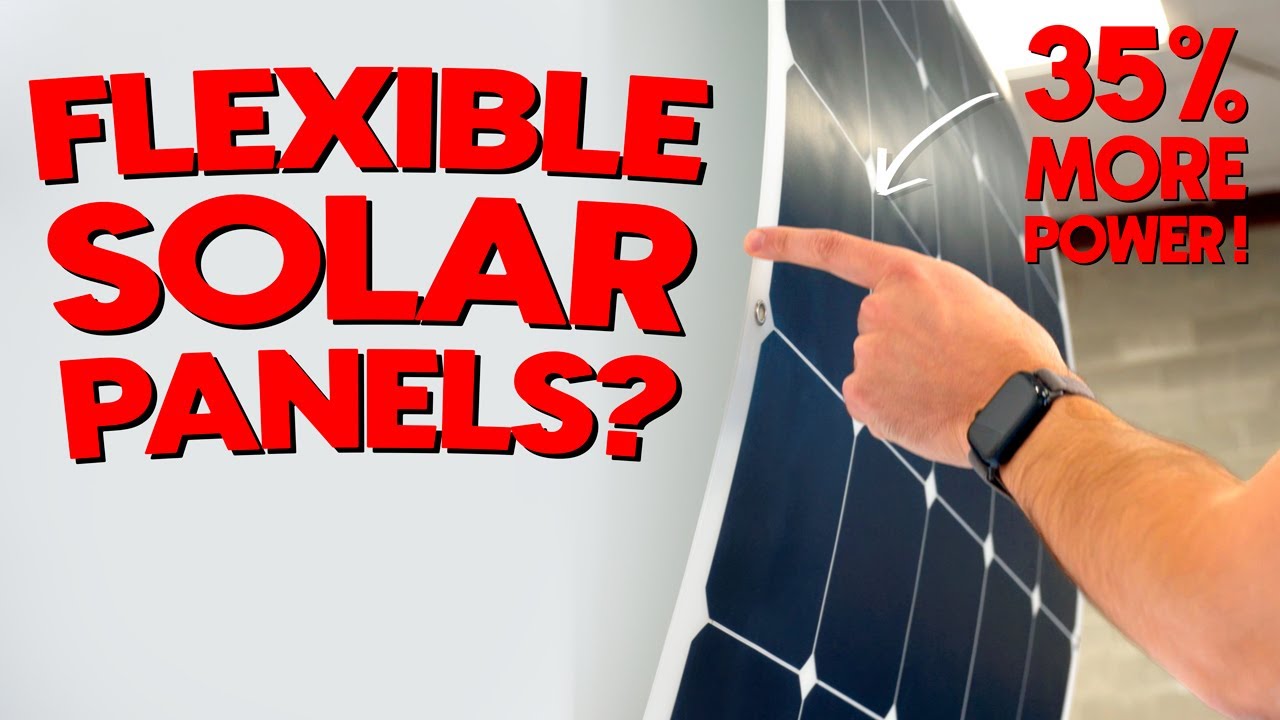
For most permanent installations, rigid monocrystalline panels are the right call — better long-term durability and heat management than flexible panels. Flexible panels make sense for curved surfaces where rigid won’t lie flat. We’ve covered the rigid vs flexible tradeoff in detail separately.
Step 4: Size and Choose Your Charge Controller
Always use MPPT, not PWM. An MPPT controller extracts 15–30% more energy from the same panels than a PWM controller, particularly in variable sunlight conditions — exactly what boats see all the time. For any system over 100W, MPPT pays for itself quickly.
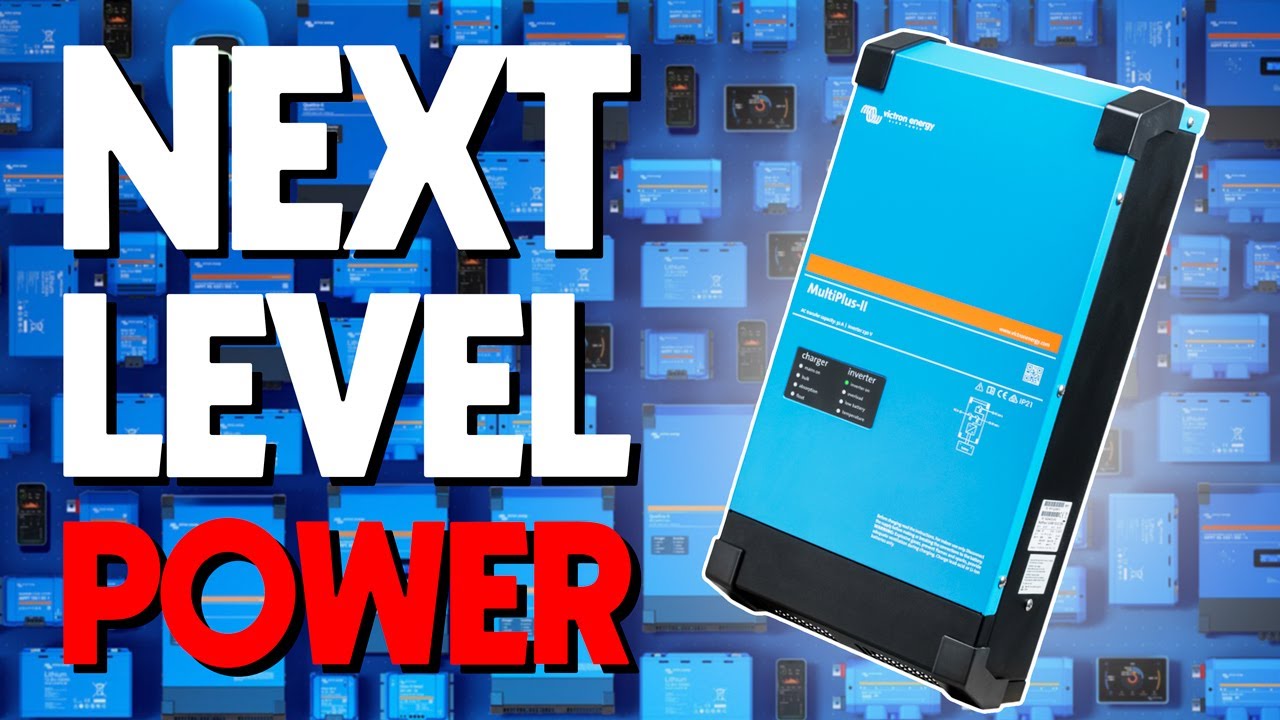
Size the controller to your panels. Calculate maximum panel open-circuit voltage (Voc) × 1.25 safety factor — this must fall below the controller’s maximum input voltage. For a typical 300W system with two 150W panels in parallel, the Victron SmartSolar MPPT 100/20 handles this comfortably. For 300–600W systems, the 100/30 or 100/50 are the most common choices. For larger arrays, the 150/70 or 150/100.
Victron’s SmartSolar line includes Bluetooth monitoring built in — you can watch real-time input, output, and daily yield from your phone without additional hardware.
Step 5: Plan Your Wiring
Series vs parallel. Panels wired in series add voltage; panels in parallel add current. If your panels will see partial shading from rigging or the boom, parallel wiring is the safer choice — one shaded panel only reduces its own output, not the whole string.
Wire sizing. Use marine-grade tinned copper wire. Size for no more than 2–3% voltage drop on the run from panels to charge controller. Longer runs need heavier gauge wire.
Connectors. MC4 connectors are standard for panel connections. Use quality connectors and a proper MC4 crimping tool — a bad crimp is a future failure point in a hard-to-reach location.
Fusing. Fuse the positive wire from panels to controller, and from controller to battery. Size fuses to 125–150% of maximum expected current.
Step 6: Route and Connect
Run wiring from panels to the charge controller through conduit or along protected routes, avoiding bilge water exposure and heavy traffic areas. Connect in this order: (1) battery to charge controller to initialize the controller, then (2) panels to charge controller with panels covered until wiring is complete. Never connect panels directly to a battery without a charge controller.
Step 7: Configure and Commission
With everything connected, uncover the panels and confirm the controller is seeing panel input. In Victron’s VictronConnect app, verify panel voltage and current, battery voltage and charge state, and charge stage (bulk, absorption, float). Set the battery type in the controller settings — if you’re using LiFePO4, configure absorption and float voltages to match your BMS specs.
Common Mistakes to Avoid
Undersizing wire. When in doubt, go one gauge heavier. Skipping fuses. Every connection point that can become a short circuit needs protection. Ignoring shading. Walk your deck at different times of day before committing to panel locations. Cheap connectors. Use quality MC4 connectors and the right crimping tool. PWM instead of MPPT. For any system worth installing, use MPPT.
Browse the full solar panel collection and SmartSolar MPPT charge controllers at Blue Marine, or schedule a free system consultation with our ABYC-certified team.
Related reading:
How Many Solar Panels Do I Need for My Boat?
Rigid vs Flexible Solar Panels: Which Is Better for Boats and RVs?
How to Size a Battery Bank for Your Boat