How to Start Your Transition to Electric Propulsion
Switching to electric propulsion is an exciting opportunity to embrace cleaner, quieter, and more efficient boating but it requires thoughtful execution.
In this guide, we’ll walk you through the key steps to get started, ensuring your journey toward sustainable boating is smooth and successful.
Evaluate Your Boat’s Size, Weight, and Power Needs
Every boat is unique, and understanding your vessel’s requirements is the foundation for choosing the right electric propulsion system.
Assess Your Boat’s Specifications:
- Consider the size, weight, hull type, and intended use of your boat. Larger or heavier boats will require motors with higher thrust and batteries with greater capacity.
Define Your Usage Patterns:
- Will you be cruising short distances, fishing, or taking long journeys? This determines your power consumption and range requirements.
Calculate Power Needs:
- Use tools or consult experts to determine the kW required for propulsion and Ah needed for your battery bank.
Choose the Appropriate Motor and Battery Capacity
Once you’ve evaluated your boat’s needs, select the components that match your requirements:
- Motor Selection:
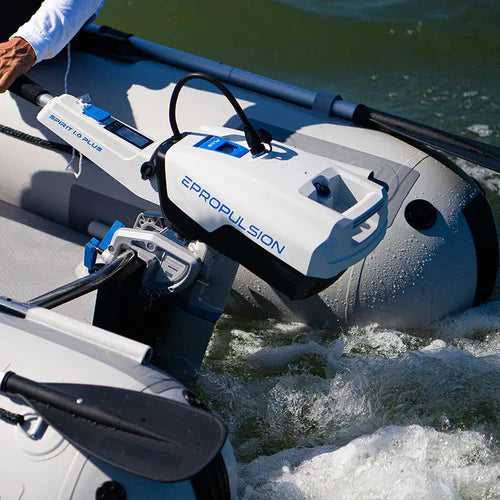
- Outboard Motors: Ideal for smaller boats and ease of installation.
- Inboard Motors: Better for larger vessels, offering streamlined weight distribution.
- Consider brands like ePropulsion or Torqeedo for reliable, efficient options.
-
Battery Capacity:
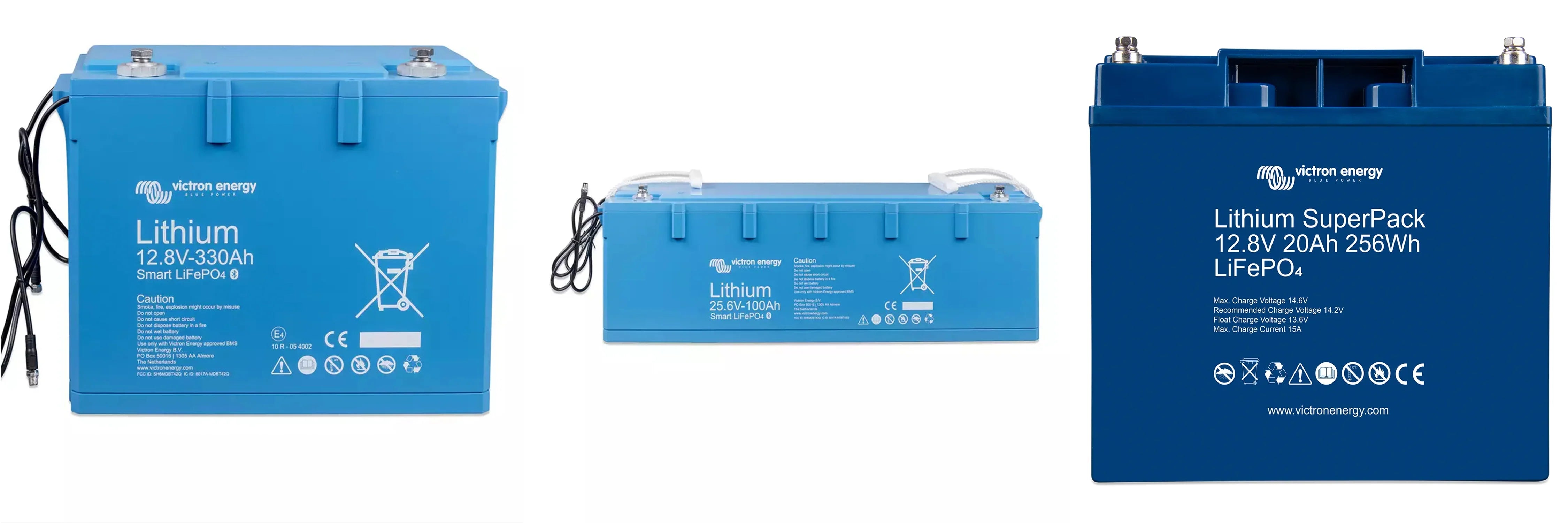
- Opt for lithium batteries for their lightweight design, high energy density, and fast charging capabilities.
- Calculate the total battery capacity required to meet your power and range expectations, factoring in peak loads and reserve power.
Incorporate Solar Power for Maximum Efficiency
Integrating solar panels into your system extends your range, reduces reliance on shore power, and ensures sustainable operation.
-
Install Solar Panels:
- Mount panels on your boat’s roof, canopy, or deck to harness sunlight effectively.
-
Use a Victron MPPT Charge Controller:
- Maximize energy efficiency by optimizing the voltage and current from your solar panels.
-
Combine with Lithium Batteries:
- Store solar energy for use during cloudy days or at night, ensuring consistent power supply.
Partner with Experts for a Smooth Installation
Installing an electric propulsion system requires precision and expertise to ensure safe and reliable performance.
- Consult Marine Professionals:
- Work with installers experienced in electric systems to design and implement your setup. They can address complex tasks like wiring, load balancing, and component placement.
- Victron provides a map of all their installers.
- Leverage Victron Energy Solutions:
- Victron’s range of inverters, charge controllers, and monitoring devices can simplify integration and enhance system performance.
-
Test the System:
- After installation, conduct thorough testing to ensure all components function together. This includes checking motor performance, battery charging, and solar power input.
Key Considerations for Your Transition
- Budget Planning:
- Electric propulsion requires an initial investment, but lower maintenance and fuel costs offset this over time.
- Regulatory Compliance:
- Ensure your system complies with local marine regulations regarding emissions and electrical safety.
- Long-Term Maintenance:
- Electric motors and lithium batteries require less upkeep than combustion engines, but periodic checks are essential for optimal performance.
Embrace the Future of Boating
Transitioning to electric propulsion transforms your boating experience into an eco-friendly, cost-effective, and modern adventure. By evaluating your boat’s needs, selecting the right components, incorporating solar power, and working with experts, you can make the switch with confidence.
Ready to Get Started?
Explore our range of electric propulsion motors, solar power solutions, and lithium batteries to find the perfect setup for your boat. For personalized guidance, contact our team of experts today.
Shop Electric Propulsion Motors | Shop Solar Power Solutions | Shop Lithium Batteries