Epoch 12V 334Ah Review: Heated, Bluetooth LiFePO4 Battery
The Epoch Essential Series 334Ah is a 12V LiFePO4 house battery with built-in heating, Bluetooth monitoring, and 4.28 kWh of capacity in one rugged, metal-cased box. It just landed at Blue Marine, and Wesley put one on the bench for a first look. The short version: if you have been waiting for the right time to switch your rig, boat, or cabin to lithium, this battery makes the decision simpler — one box now covers what used to take two or three batteries and a handful of add-ons.
What the Essential Series 334Ah Is
Epoch's Essential Series is the no-fuss end of their lineup: sealed LiFePO4 house batteries built for everyday power on RVs and vans, boats, and off-grid cabins. The 334Ah is the big-capacity option — 12V nominal, 334 amp-hours, 4.28 kWh of energy — aimed at builds where you want serious house power without wiring a rack of parallel batteries. It arrives in a rugged metal case with solid packaging, and the spec sheet reads like Epoch went down the list of things people actually ask for: heating, Bluetooth, high output, long warranty.
Key Features
Bluetooth monitoring — no shunt required
Open the app and you get live state of charge, voltage, temperature, and current straight from the battery's internal electronics. For a single-battery house bank, that covers the monitoring basics with zero extra wiring — no guessing, no separate shunt install. If you are running a larger system with multiple charge sources and want one authoritative system-level readout, a dedicated monitor like the Victron SmartShunt still earns its place — but it is no longer mandatory just to know where your bank stands.
Self-heating for below-freezing charging
LiFePO4 chemistry cannot safely accept a charge below freezing, and every lithium battery has to deal with that somehow — usually by cutting off charging until the cells warm up. The 334Ah deals with it directly: when temperatures drop below freezing, built-in heating kicks in and the battery protects itself. For winter campers and ski-trip rigs, boats that stay in the water year-round, and cabins that see real winters, that is the difference between a bank that works in January and one that waits for spring.
300A continuous output, 600A peak
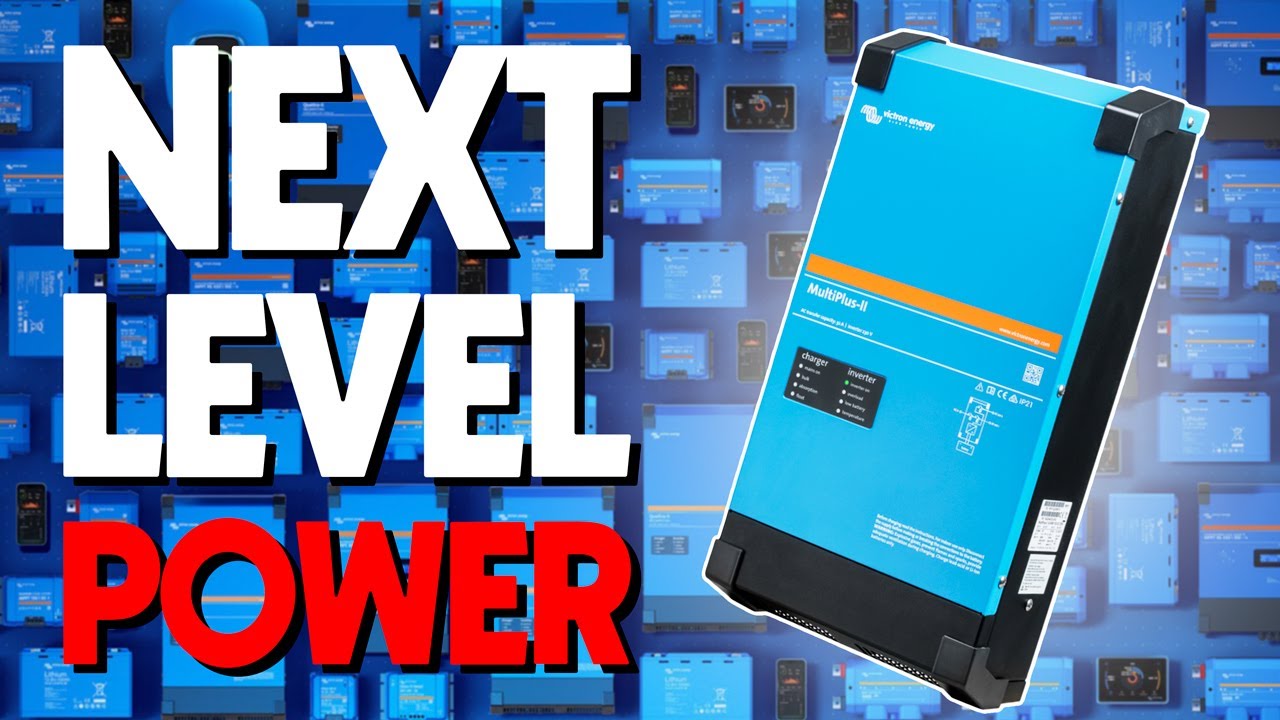
With 300 amps of continuous discharge and a 600A peak, the 334Ah will feed a 3,000VA-class inverter/charger without strain. Wesley's example in the video: a Victron MultiPlus-II running a microwave — no problem. That output class matters if your house bank runs real AC loads (microwave, induction burner, power tools) instead of just lights and USB ports.
Built-in BMS protection
Overcharge, over-discharge, short-circuit, and temperature protection are all handled by the internal BMS. There is nothing to configure and nothing to add — the protections ride along inside the case.
What 334Ah Actually Runs
4.28 kWh is a meaningful house bank in a single box. As rough field math: a 12V compressor fridge, LED lighting, a water pump, fans, and phone and laptop charging typically add up to somewhere around 1 to 1.5 kWh a day in a van or RV — so the 334Ah covers a weekend of boondocking before you lean on solar or the alternator. On a boat, that is house loads — fridge, electronics, lights, pumps — between shore power stays or solar top-ups. In a cabin, one 334Ah paired with a modest solar array makes a clean starter bank that can grow later. For a deeper walk through the math, see our guide to sizing a battery bank for your RV.
Victron Compatibility
As Wesley puts it in the video, the Essential Series plays nice with Victron systems right out of the box. It is a drop-in LiFePO4 bank: set your charger and inverter profiles to Epoch's recommended lithium parameters and a MultiPlus-II, a SmartSolar MPPT, or an Orion DC-DC charger will treat it like any quality LiFePO4 battery. If an alternator is one of your charge sources, read our guide on alternator charging with lithium batteries before you spec the wiring — lithium's low internal resistance changes the rules.
Cycle Life and Warranty
Epoch rates the Essential Series at 4,000+ cycles and backs the 334Ah with an 11-year warranty. At a full cycle a day — heavier use than most house banks ever see — 4,000 cycles is more than a decade of service, and the warranty term actually matches the claim. That combination is about as strong as it gets in this class.
Who It's For
The 334Ah makes the most sense if you want maximum house capacity in one box: van and RV builds where bay space is tight, boats replacing a bank of aging lead-acid house batteries, and cabins that need dependable storage without a battery-room build-out. If it is more capacity than your loads justify, the same Essential Series formula — Bluetooth, BMS protection, Victron-friendly behavior — runs down the range in smaller sizes. And if you are not sure which end of the range you are on, that is exactly the kind of question our Advisors settle on a quick call.
FAQ
Will it charge below freezing?
Yes — that is the point of the built-in heating. When cell temperatures drop below freezing, the heater kicks in so the battery can accept a charge safely instead of locking charging out.
Do I still need a shunt or battery monitor?
For a single-battery bank, the built-in Bluetooth monitoring covers state of charge, voltage, temperature, and current on your phone. For multi-battery or multi-source systems where you want one system-wide readout, a dedicated monitor like the Victron SmartShunt is still the right call.
Will it work in my Victron system?
Yes, as a drop-in battery. Configure your Victron chargers and inverters to Epoch's recommended LiFePO4 charge parameters and the 334Ah behaves like any high-quality lithium bank.
The Epoch Essential Series 334Ah is in stock now and ships from our US warehouse. Browse the full batteries collection to compare it against the rest of the lineup, or schedule a free consultation and one of our ABYC-certified Advisors will spec the bank to your build.
Related reading:
How to Size a Battery Bank for Your RV: A Practical Guide
Off-Grid Battery Bank Sizing: Cabin, Homestead, and Tiny House
Alternator Charging with Lithium Batteries: What You Need to Know