
Filters



Marine solar
Which marine solar panel fits your boat?
| Panel | Watts | Type | Best for | From |
|---|---|---|---|---|
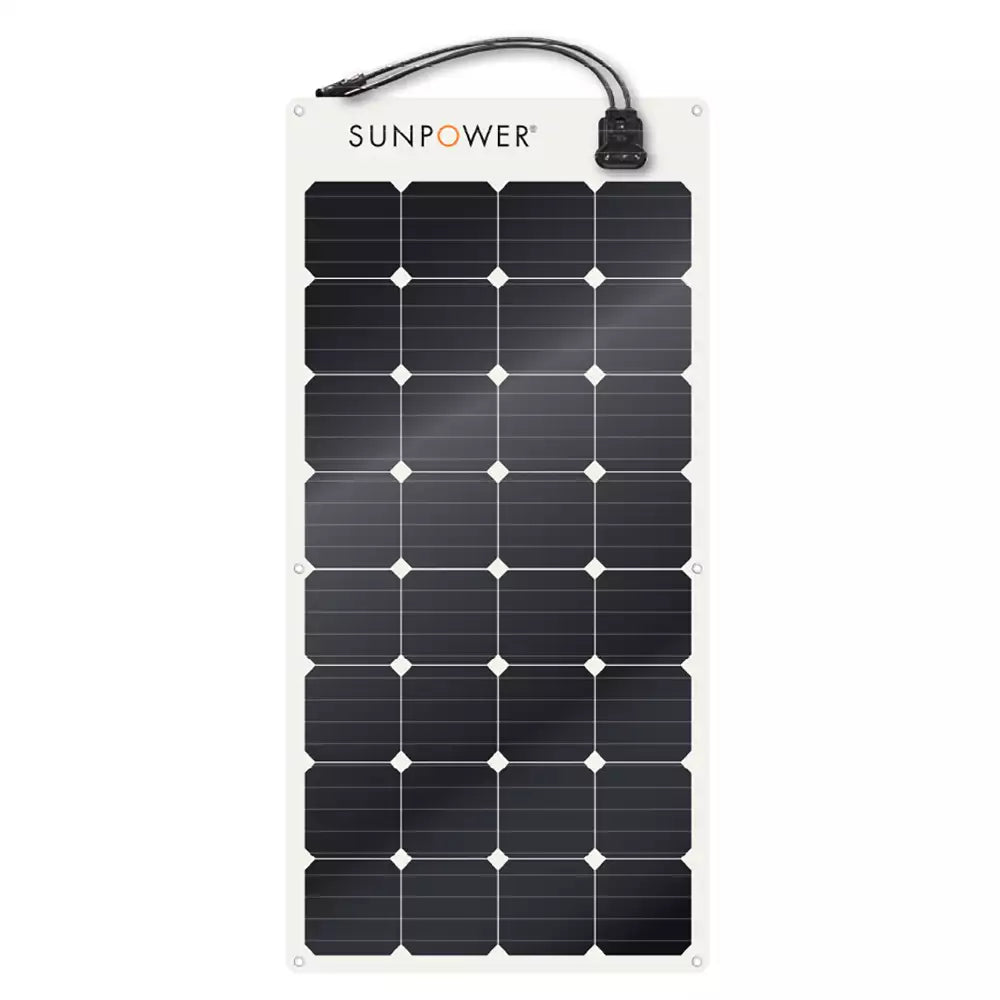
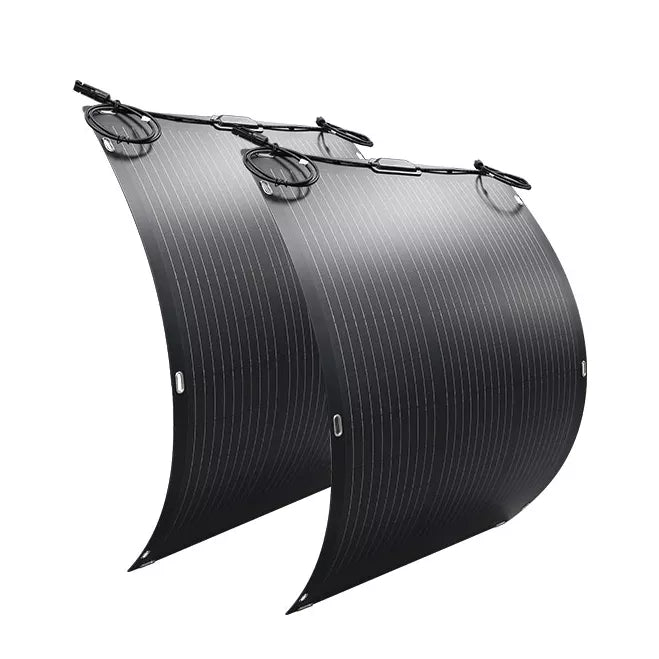
| SunPower SPR-E-Flex | 50W / 95W | Flexible, Maxeon cells | Biminis, curved decks, small banks | $39.45 |
| Blue Marine 100W Flexible | 100W | Flexible, ETFE coating | Budget-friendly deck mounting | $79 |
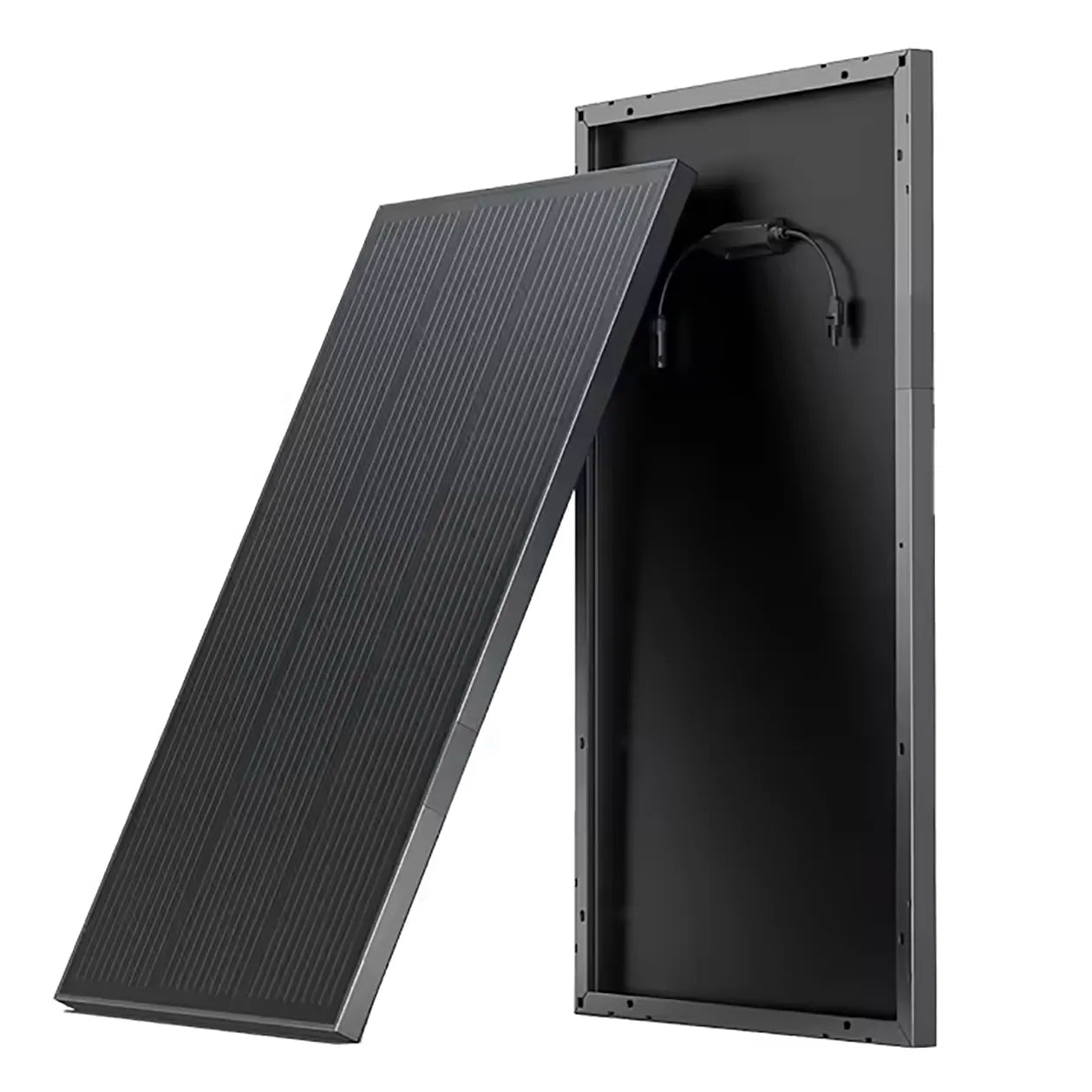
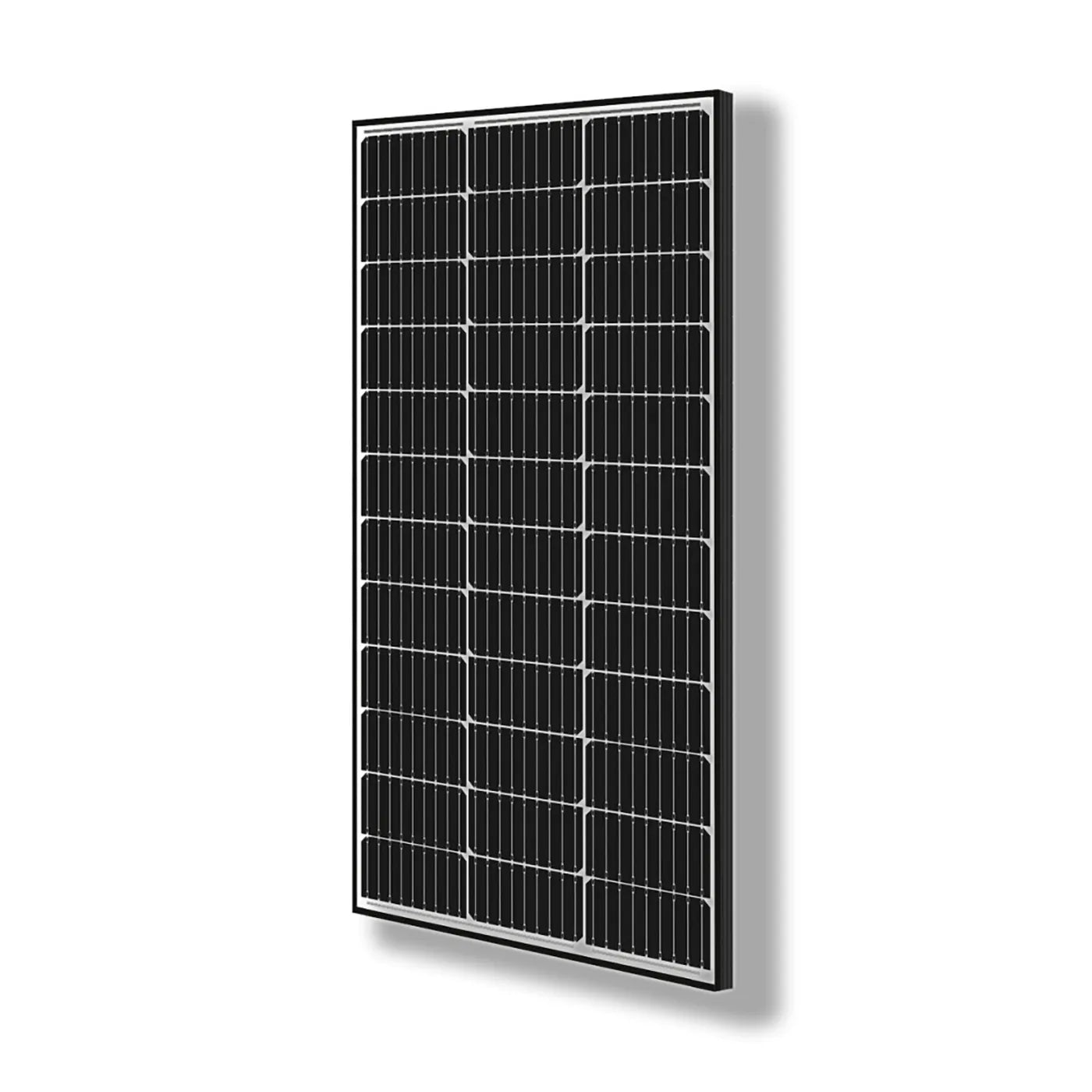
| Lumera 100W Bifacial | 100W | Rigid bifacial, Canadian-made | Compact mounts with reflected light | $119.99 |
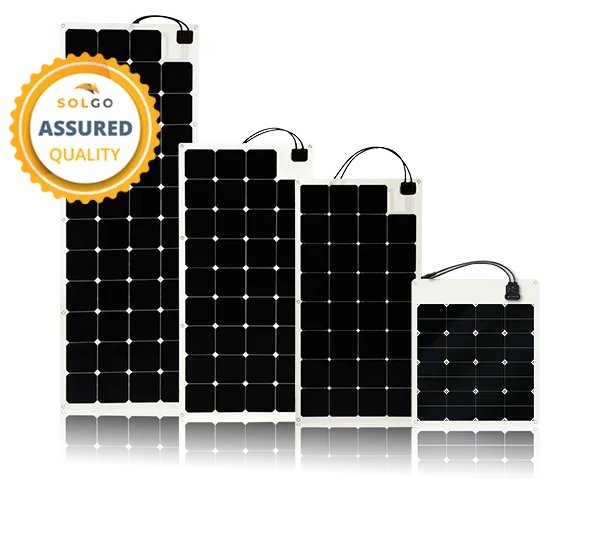
| Sol-Go Flexible | 115W–230W | Flexible, Maxeon cells | Larger flexible arrays, walk-on decks | $199.95 |
| Lumera 140W Bifacial | 140W | Rigid bifacial, long & narrow | Sailboat rails, narrow runs | $199 |
| Lumera 220W Bifacial | 220W | Rigid bifacial | Maximum output per mount point | $212.98 |
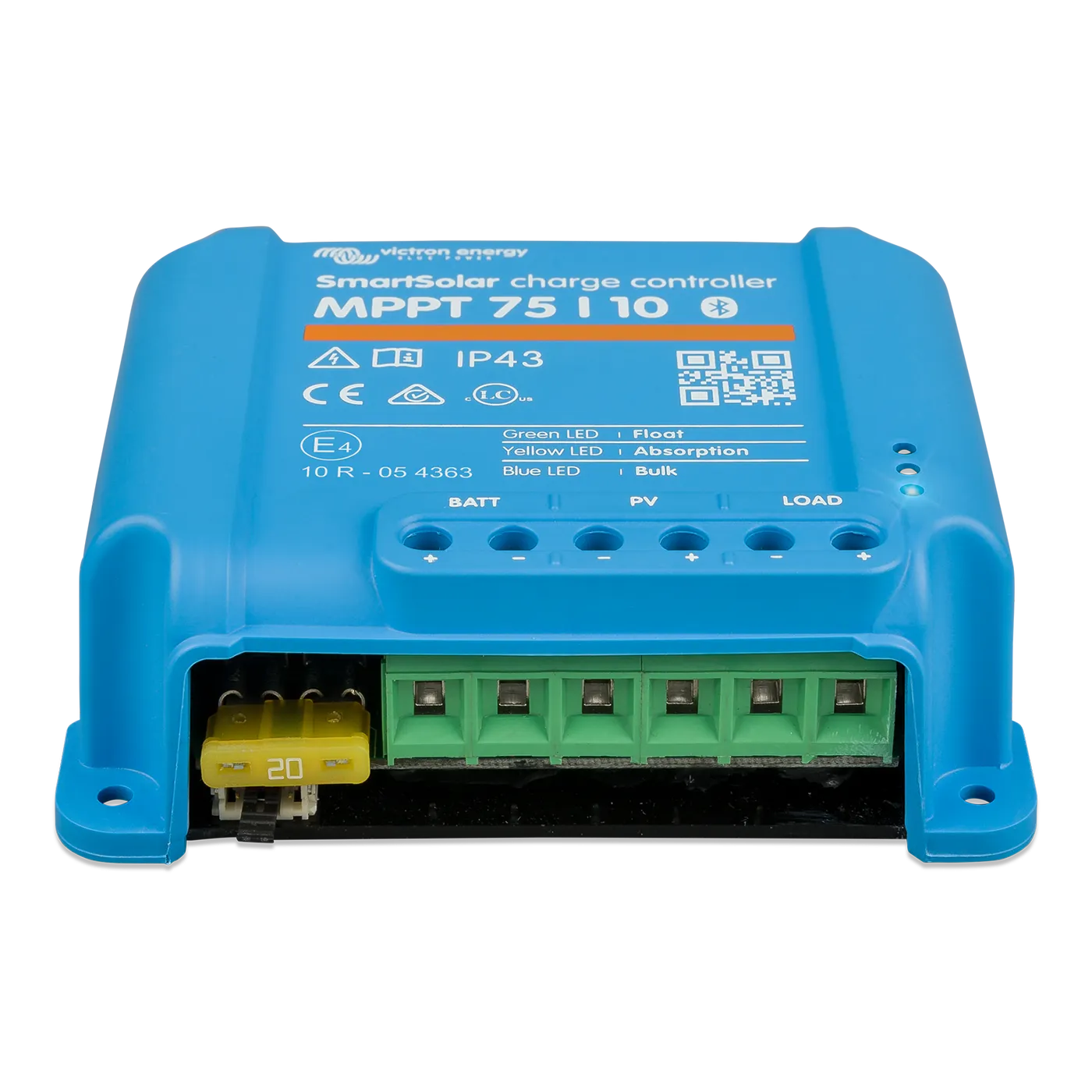
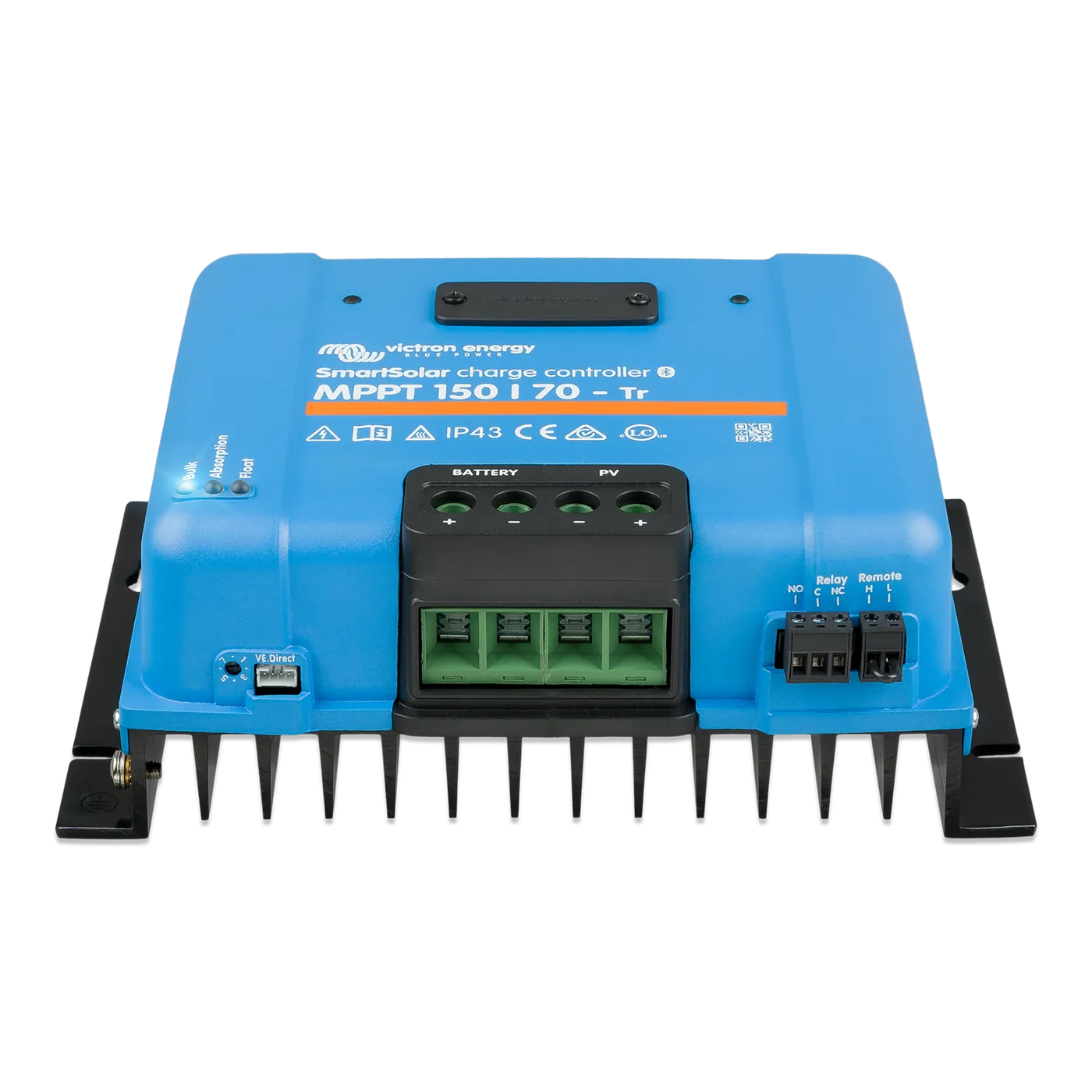
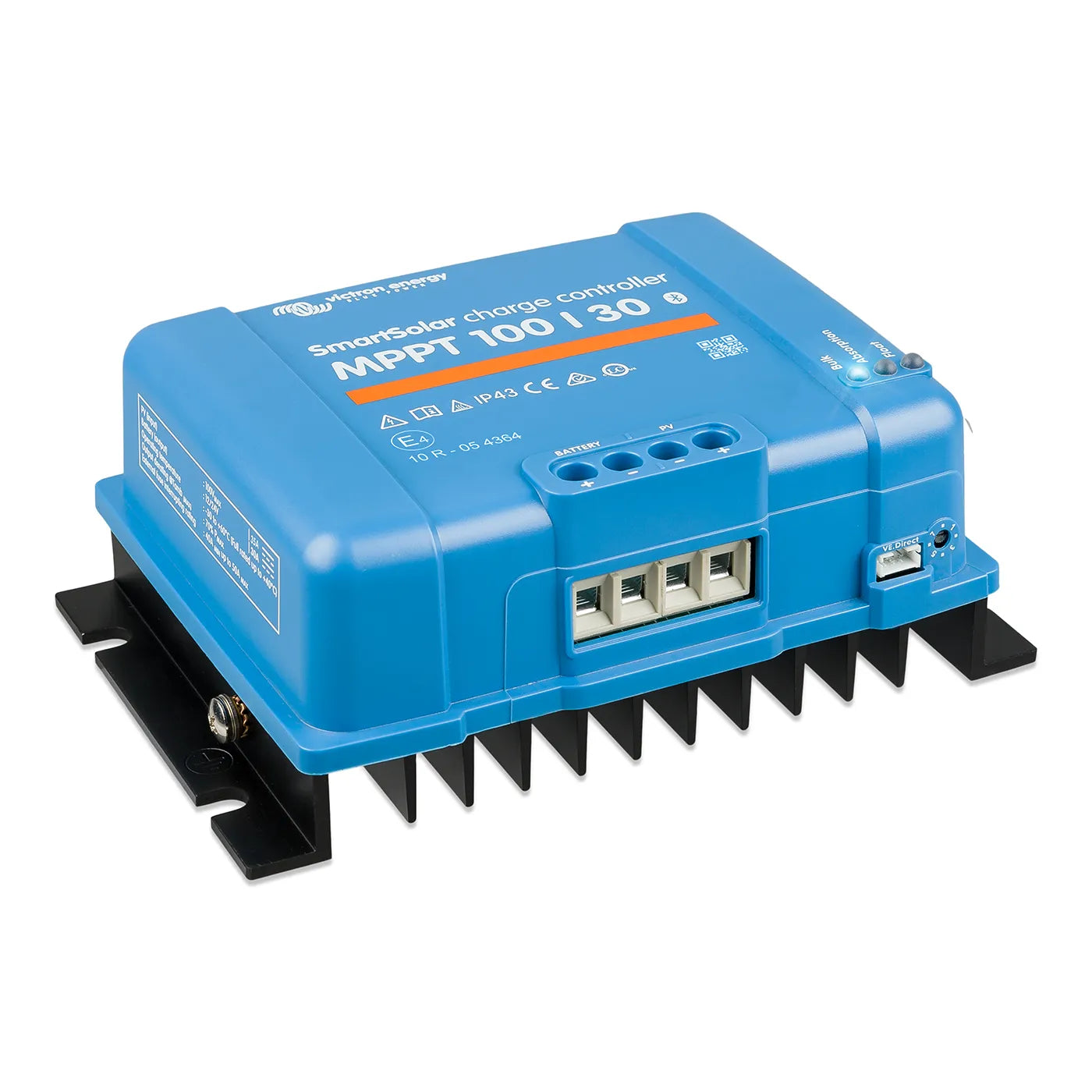
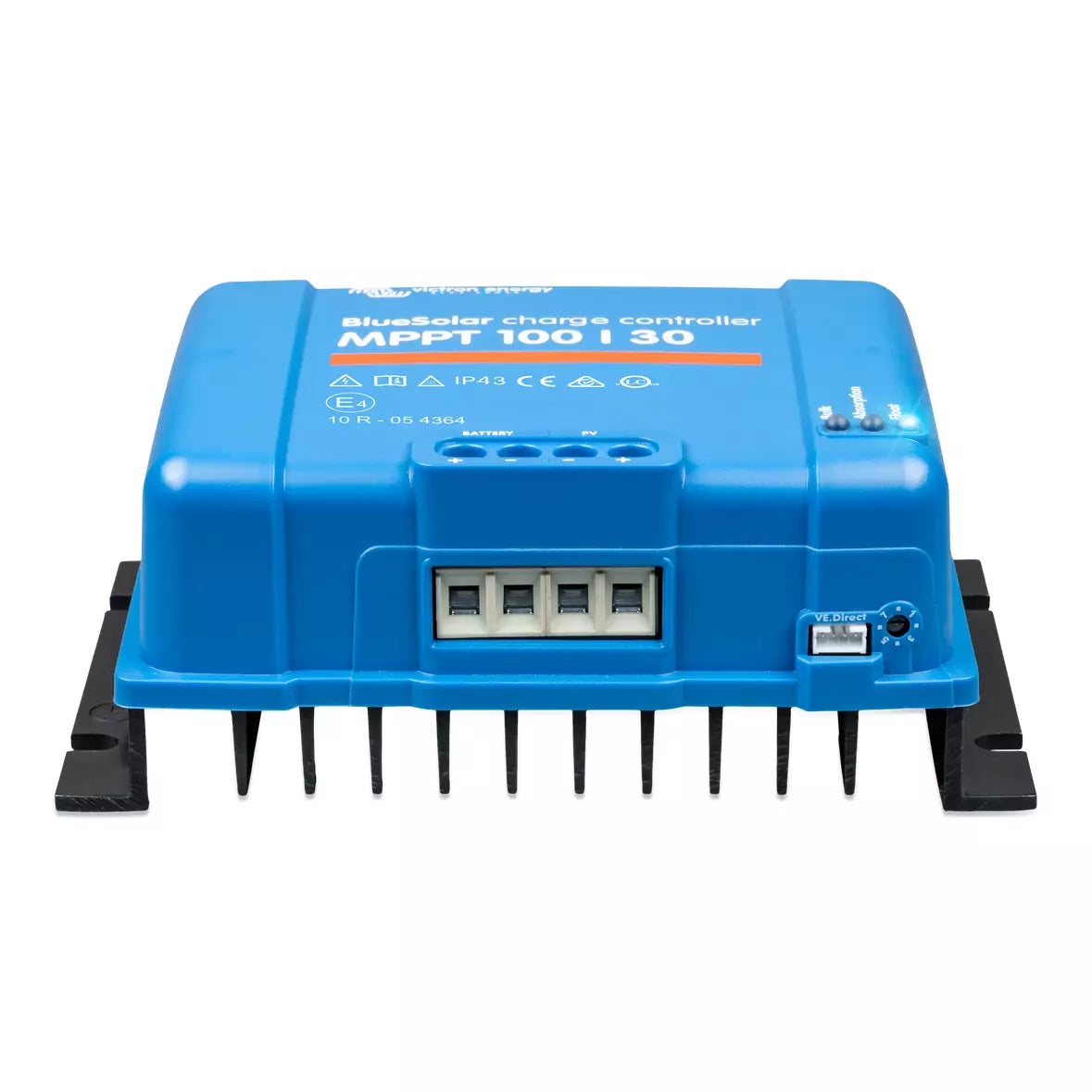
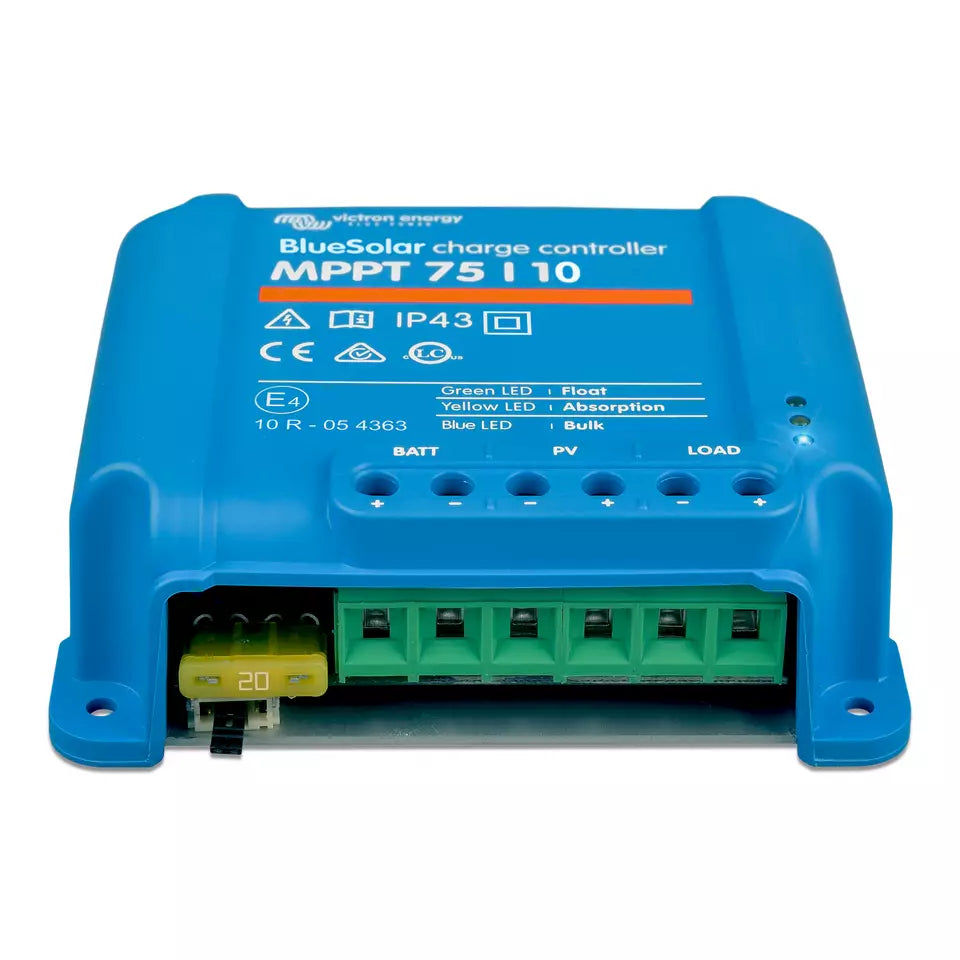
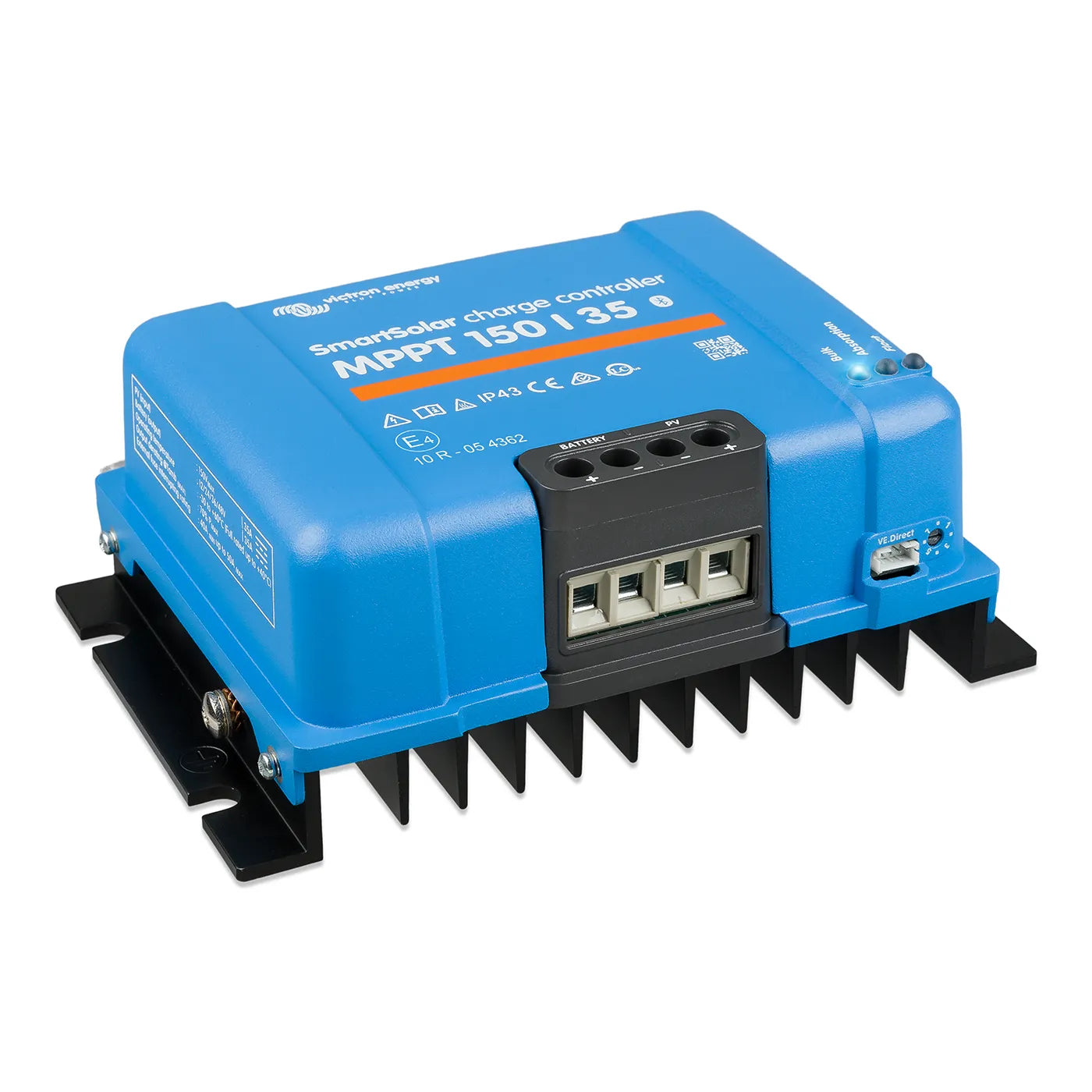
And the Victron MPPT charge controllers to match — from the $65 SmartSolar 75/10 for a single small panel to the VE.Can 250/100 flagships for full off-grid arrays.
Sizing a marine solar system, in three questions
1. How much power do you actually use?
A weekend boat keeping a house bank topped off is often happy with 100–200 W. Boats running a fridge, instruments, and an autopilot all day commonly land at 200–400 W, and liveaboards frequently go beyond 400 W. The honest way to size it: add up your daily amp-hours, then work backward from your sun hours. Need help with the math? Our ABYC-certified advisors are just a call away — and a quick call beats guessing: (800) 628-6306.
2. Where will the panels live?
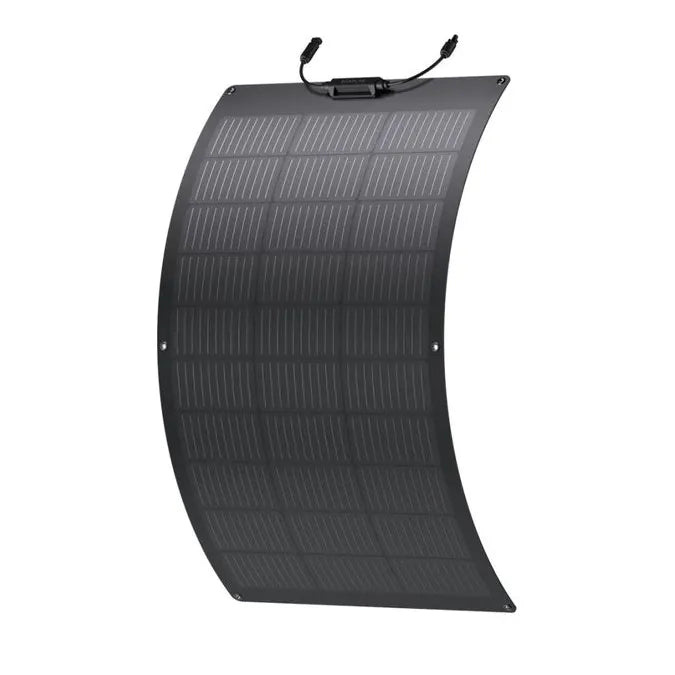
Flat, walkable deck space favors flexible panels (SunPower, Sol-Go, Blue Marine) that glue or grommet down with no frame. Arches, davits, and rooftops favor rigid framed panels — and bifacial models like the Lumeras pick up bonus output from light reflecting off the water or a white deck. Many sailboats end up mixing both.
3. Which charge controller?
For nearly every marine install, an MPPT controller is worth it — it converts excess panel voltage into charging current instead of throwing it away. Victron's naming tells you the limits: a SmartSolar 100/30 accepts up to 100 V of panel input and delivers up to 30 A of charge. A common starting point: panel watts divided by battery voltage is roughly the charge amps you need. Our guide How to Choose the Right Victron Solar Charge Controller walks through it step by step.
Why buy marine solar from Blue Marine
ABYC-certified marine electrical advisors who spec the panels, controller, wiring, and battery bank as one system — not just a box on a shelf. Victron True Blue distributor, so the MPPT and the rest of your electrical system speak the same language. Free US shipping over $49, fast shipping from Seattle, and real humans on the phone Monday–Saturday.
Marine solar FAQ
How many watts of solar do I need for my boat?
Start from your daily power use, not the panel size. As a rough guide: topping off a house bank on a weekender takes 100–200 W; running a fridge and instruments daily takes 200–400 W; liveaboard loads often justify 400 W or more. Halve your expected output for cloudy days and shading, and you'll rarely be disappointed.
Flexible or rigid solar panels for a boat?
Flexible panels win on curved surfaces, biminis, and anywhere weight or a frame matters — and several (like the Sol-Go and SunPower E-Flex) tolerate occasional foot traffic. Rigid framed panels win on output per dollar and longevity when you have an arch, davits, or rooftop to mount them. There's no single right answer; plenty of boats run both.
What's a bifacial panel, and is it worth it on the water?
Bifacial panels harvest light from both faces — direct sun on top, reflected light underneath. Mounted off a white deck, a rail, or over water, Lumera rates the rear-side gain at up to 30%. On a shaded or flush-glued install the benefit shrinks, so it depends on your mounting.
Do I need an MPPT charge controller, or will PWM do?
PWM works when panel voltage closely matches battery voltage and budgets are tight. For nearly everything else — higher-voltage panels, cold mornings, partial shade — MPPT converts the surplus voltage into real charging current, often 10–30% more harvest. Every controller in this collection is MPPT.
What size MPPT controller do I need?
Two limits matter: the controller's max PV input voltage must exceed your panels' open-circuit voltage on a cold day (panels make more voltage when cold), and its amp rating should cover panel watts divided by battery voltage. A 200 W array on 12 V wants roughly 15–20 A of controller. When in doubt, size the controller up — you can add panels later.
Can marine solar panels charge lithium batteries?
Yes — pair them with a charge controller that has a lithium profile. Victron's SmartSolar and BlueSolar MPPTs all have LiFePO4 presets and integrate with Victron lithium systems for charge coordination.
Can I walk on flexible solar panels?
Several flexible panels here are built for occasional, careful foot traffic — Sol-Go and SunPower E-Flex among them. Bare feet or soft soles, no standing pivots, and check each panel's spec sheet before making it a walkway.
Are there tax incentives for marine solar?
In many cases, yes — boats with sleeping, cooking, and toilet facilities can qualify as a second home for the federal residential clean-energy credit. Details and caveats on our Marine Solar Tax Incentives page; confirm specifics with your tax professional.