What is Victron Energy? A Plain-English Guide for New Buyers
If you’re new to off-grid power or marine electrical and keep seeing the Victron name everywhere — on forums, in installer recommendations, on boats and vans — this is the post that explains why. Blue Marine walks through the full picture in the video above: where Victron came from, what they make, who uses it, and what actually sets the ecosystem apart from the competition.
Founded in 1975, Trusted in Over 100 Countries
Victron Energy was founded in the Netherlands in 1975 with a straightforward mission: build reliable, battery-based power systems. That focus hasn’t changed in five decades. What has changed is scale — Victron is now a global company with products distributed and installed across more than 100 countries.
The consistency of that mission matters. Victron didn’t start as a consumer electronics company that pivoted to energy storage. They’ve been building power systems for off-grid and mobile applications since the beginning. That depth of focus shows up in the quality of the engineering and the breadth of the product line.
Who Uses Victron Equipment
Victron’s products show up across four major application areas:
Marine. Blue-water cruisers, coastal powerboats, sailing vessels on extended passages — any boat that needs reliable DC power management, inverter/charger capability, and the ability to monitor and control the system remotely. This is Blue Marine’s home turf.
RV and Camper Vans. Overlanders and van-lifers building mobile power systems that have to work off-grid for days or weeks at a time. The same components that run a boat’s electrical system run the electrical system in a well-built van conversion.
Off-Grid Living. Tiny homes and remote residential properties that aren’t connected to the grid, or that supplement grid power with solar. Victron’s inverter/chargers and solar charge controllers form the backbone of these systems.
Industrial and Commercial. Backup power for facilities where downtime is not an option. Telecom infrastructure, medical equipment rooms, remote monitoring stations — anywhere that needs a reliable source of DC or AC power when the grid fails.
The Product Ecosystem
Victron builds every major component of a battery-based power system in-house. That’s unusual — most brands specialize in one or two categories. Victron covers the full stack:
Inverters and Inverter/Chargers. Convert stored DC battery power into AC electricity for household appliances and boat systems. The inverter/charger versions combine that with fast, multi-stage battery charging when connected to shore power or a generator — the MultiPlus and Quattro lines are the most common.
Battery Chargers. Standalone chargers for topping up starting batteries, house banks, or dedicated auxiliary banks. The Skylla-IP65 is the heavy-duty marine version; the Blue Smart IP series covers portable and lighter-duty applications.
Solar Charge Controllers. MPPT units that harvest and optimize energy from solar panels, feeding it into the battery bank efficiently. The SmartSolar line covers everything from small van and boat arrays to large residential systems.
DC-DC Converters and Chargers. Step voltage up or down between different parts of a system — charging a 12V house bank from a 24V alternator, or stepping 12V down to 5V for sensitive electronics. The Orion series handles this, with dedicated charger variants for battery-to-battery applications.
Monitors and Shunts. Precision tools that track live energy flow and calculate true state of charge. The SmartShunt and BMV series measure current through the battery circuit and report accurate state-of-charge data — critical for any serious system, especially one with lithium batteries.
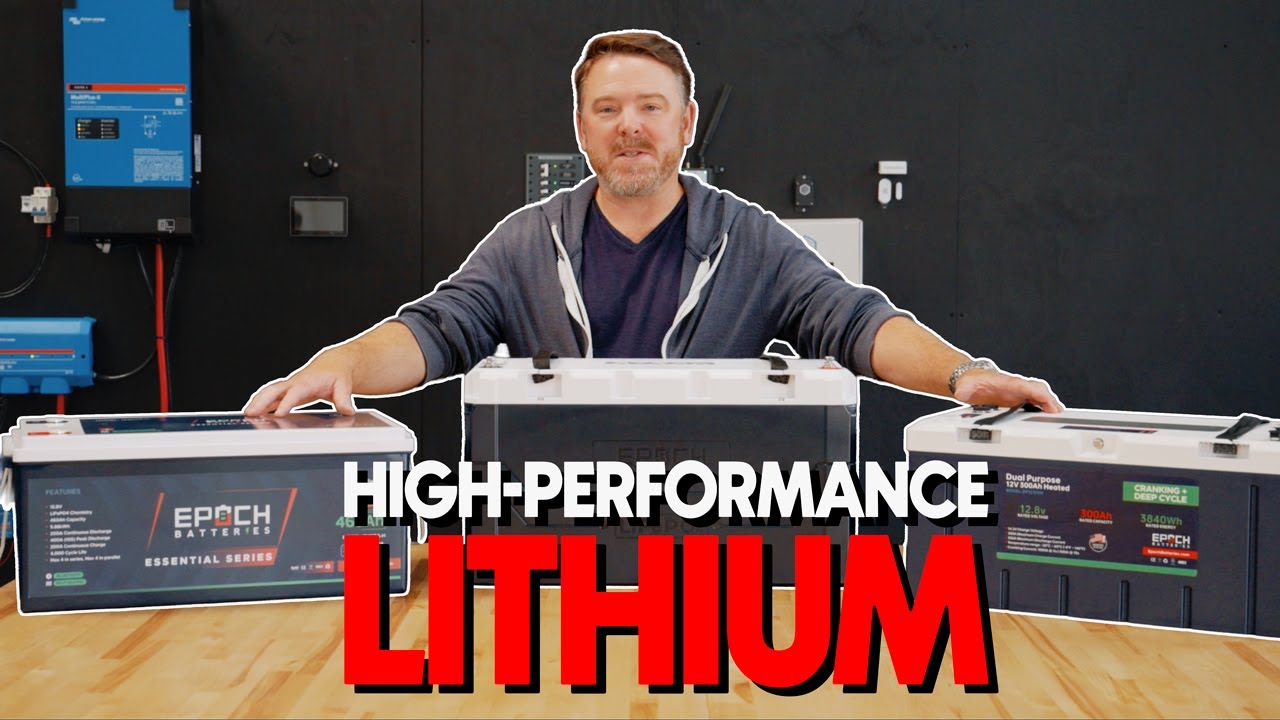
Batteries. Victron produces both lithium (LiFePO4) and lead-acid battery options. The Lithium Smart and Lithium NG lines include integrated BMS units designed to communicate directly with other Victron components.
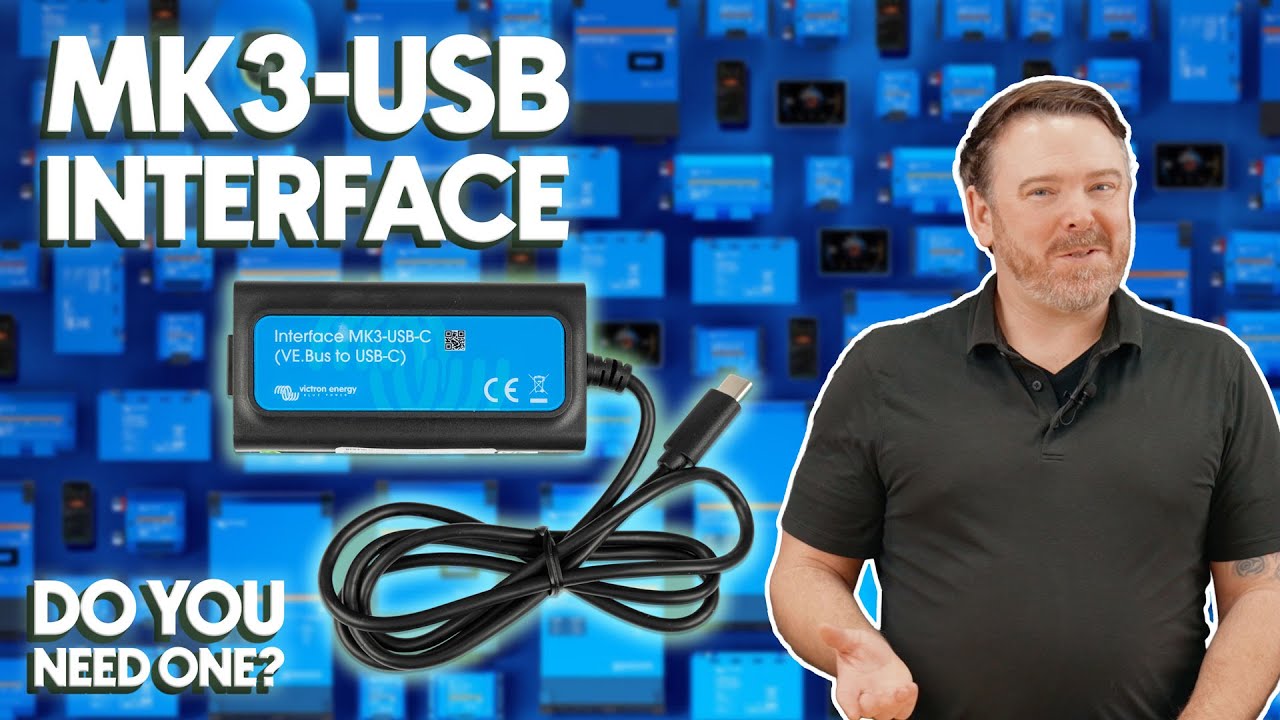
Accessories. The supporting hardware that ties a system together: Lynx busbars and distributors, fuses, transfer switches, and wiring interfaces like the MK3-USB and VE.Bus adaptors.
What Actually Sets Victron Apart: System-Wide Integration
Every component in the Victron lineup is engineered to communicate with the rest of the system. This isn’t just marketing — it changes how the system actually behaves.
The hub of a Victron system is a GX device, typically a Cerbo GX. Every connected component — the inverter/charger, the solar charge controllers, the battery monitors, the DC-DC chargers — reports its status to the Cerbo GX in real time. From there, two things happen:
Local monitoring and control. A touch display or phone connected to the GX device shows the full system picture: battery state of charge, solar production, AC and DC loads, charger status, everything in one place.
Remote access via VRM. The Victron Remote Management portal (VRM) is a cloud-connected dashboard that lets you see and control your entire system from anywhere in the world with an internet connection. Check battery state from the airport. Get an alert if something goes wrong aboard the boat. Push firmware updates to components over the air. This is the capability that makes Victron a fundamentally different proposition from a collection of unconnected components from different brands.
The integration also enables DVCC (Distributed Voltage and Current Control) — a coordination protocol that lets a communicating BMS dynamically set charge voltage and current limits across all chargers in the system simultaneously. This is what makes Victron the preferred choice for lithium installations where the BMS needs to actively manage charging behavior.
Browse the Blue Marine lineup of inverter/chargers, batteries, and solar charge controllers — all from Victron. To go deeper on the remote monitoring and system integration side, see our VRM guide and DVCC explainer. If you’re planning a new system or upgrade and want help choosing the right components, schedule a free consultation with our team.
Related reading:
How to Monitor Your System Remotely with Victron VRM
Understanding Victron DVCC: What It Is and Why It Matters
How to Configure the Victron MultiPlus-II for Lithium Batteries