RV Boondocking 101: How to Power Your Rig on Solar and Lithium
Boondocking — dry camping, dispersed camping, call it what you want — is the best camping there is. No fee stations, no generator noise from the next site over, no waiting for a shower. Just the site you actually want, for as long as you want to stay.
The catch is that there are no pedestals. Everything your rig runs comes from what you've got onboard. For most factory-equipped RVs, that's a converter/charger that does nothing without shore power, a lead-acid battery bank that runs dry by mid-morning, and a generator that makes boondocking feel less like camping and more like running a job site.
A solar and lithium upgrade changes all of that. Here's what it actually takes to power your rig off-grid comfortably.
What “Comfortable” Boondocking Actually Requires
Boondocking loads fall into three categories:
Always-on: The fridge runs continuously. A 12V compressor fridge draws 40–60W on average around the clock. Rooftop ventilation and a router add to this baseline.
Regular daily use: Lights in the evening, phone and laptop charging, a vent fan, the water pump. Predictable and manageable.
Occasional high draw: Coffee maker, Instant Pot, blender, power tools. Short-duration but high-wattage — usually 800–1,500W for a few minutes. They require an inverter sized to handle the peak.
A realistic daily energy budget for a mid-size trailer or Class C: 1,000–1,600 Wh/day without high-draw appliances. Add a morning coffee maker run and you're at 1,200–1,800 Wh/day.
The Problem with Factory RV Electrical Systems
Stock RV electrical systems are designed for campgrounds with hookups. The battery bank is almost always undersized for boondocking. A pair of 100Ah AGM batteries sounds like 200Ah — but usable capacity is only 50% of AGM's rated capacity before you risk damaging the batteries. That's 100Ah of real storage, or about 1,200 Wh at 12V. For a 1,400 Wh/day rig, you're emptying the bank before sundown on day one.
The solar, if the rig has any, is typically a 100–200W panel that came as a dealer add-on. At 5 peak sun hours, 200W generates 1,000 Wh on a good day — not enough to cover the daily load or refill the bank from a depleted state.
The Upgrade Path: Solar + Lithium
Step 1: Switch to LiFePO4
LiFePO4 batteries unlock nearly twice the usable capacity of the same rated AGM bank. A 200Ah LiFePO4 battery gives you ~190Ah of usable storage versus ~100Ah from a 200Ah AGM bank. They also charge faster from solar, accept higher charge rates without damage, and last 3–5x longer in cycle life.
| Rig Type | Daily Use | Recommended LiFePO4 Bank | Autonomy |
|---|---|---|---|
| Weekend van or small trailer | 700 Wh | 100Ah | 1.5–2 days |
| Mid-size trailer, Class B | 1,200 Wh | 200Ah | 2 days |
| Class C, full use | 1,600 Wh | 300Ah | 2+ days |
| 5th wheel or Class A, no A/C | 2,500 Wh | 400–500Ah | 2 days |
Step 2: Size the Solar Array
Solar is what makes the bank self-sustaining. Formula: Daily Wh ÷ Peak Sun Hours ÷ 0.8 = Required panel watts. For a 1,200 Wh/day rig at 5 peak sun hours: 1,200 ÷ 5 ÷ 0.8 = 300W minimum.
| Daily Use | Minimum Array | Recommended Array |
|---|---|---|
| 700 Wh | 175W | 200–300W |
| 1,200 Wh | 300W | 400W |
| 1,600 Wh | 400W | 500–600W |
| 2,500 Wh | 625W | 800W |
Rigid monocrystalline panels are the right call for flat RV roofs — more efficient per square foot and longer service life than flexible panels.
Step 3: Add an MPPT Charge Controller
Always MPPT, not PWM. MPPT extracts 15–30% more energy from the same panels. The Victron SmartSolar MPPT lineup includes Bluetooth monitoring so you can watch production and battery state from your phone. Match the controller to your array size: 100–400W → MPPT 100/30; 400–700W → MPPT 100/50; 700W–1,000W at 24V → MPPT 150/70.
Step 4: Inverter/Charger for AC Loads
An inverter/charger inverts battery power for AC loads and charges the bank automatically when shore power or a generator is connected — one unit, both directions. The Victron MultiPlus-II is what we install on most RV builds. Available from 1,200W through 5,000W at 12V or 24V. For a mid-size trailer or Class B, the 12/2000 or 12/3000 handles the load profile cleanly.
The Generator Question
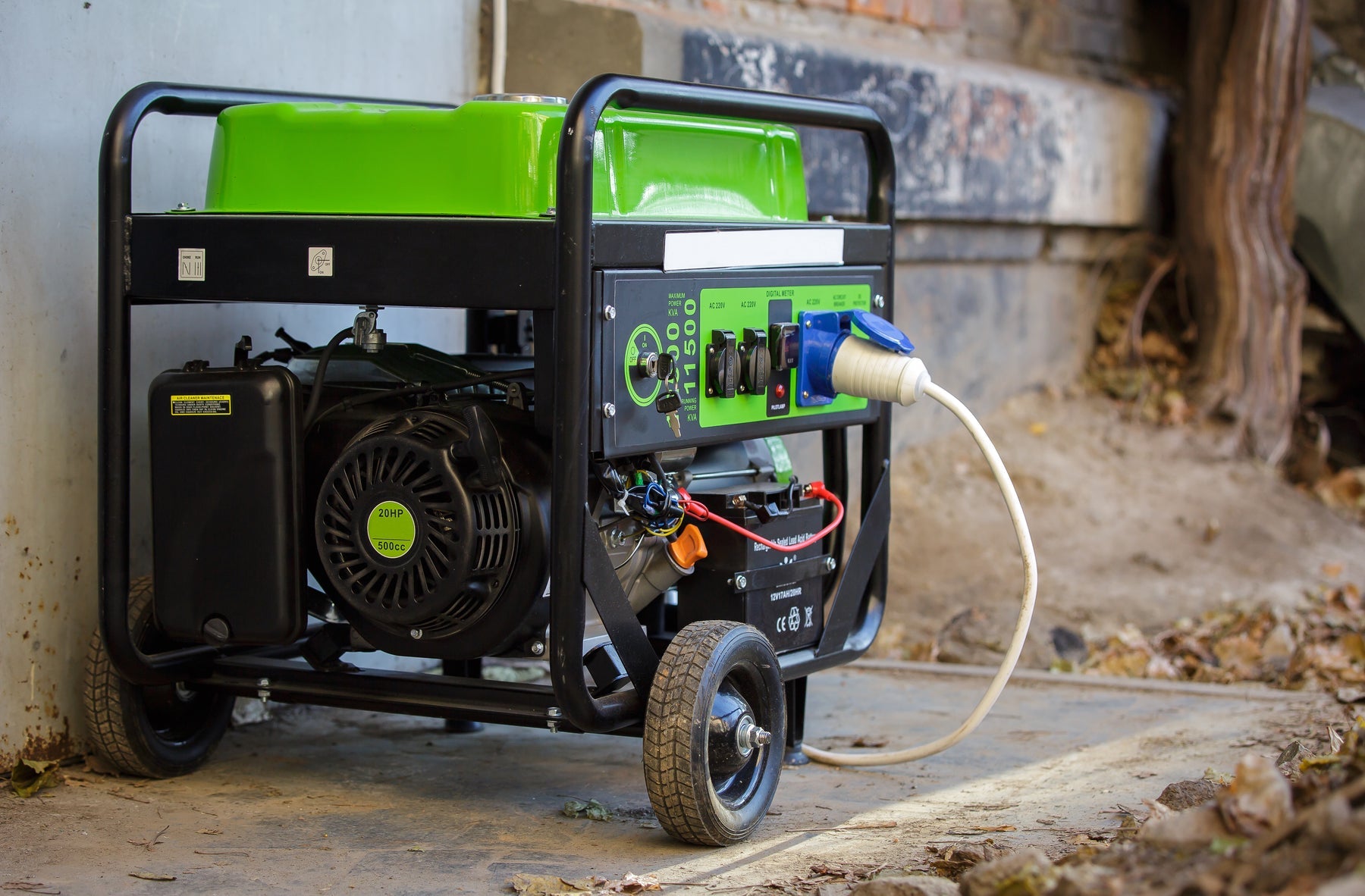
For serious boondockers, a generator is the backup for extended cloudy stretches and high-draw tasks — not the primary source. The goal is a 2–3 hour run when the bank drops to 30–40% state of charge, rather than hours of daily operation. A properly sized solar + lithium system gets most boondockers down to generator use measured in hours per week, not per day.
A Note on the Factory Converter/Charger
Most RVs come with a converter/charger configured for lead-acid batteries. If you're upgrading to LiFePO4, this unit either needs to be reprogrammed for lithium charging profiles or replaced. Running a lead-acid converter on a lithium bank will undercharge the batteries and, over time, degrade them. Check your converter before assuming everything will work correctly after a battery swap.
Browse the full solar panel, lithium battery, charge controller, and inverter-charger collections at Blue Marine. Or schedule a free system consultation — we'll size a system to your specific rig, load profile, and boondocking goals.
Related reading:
The Complete RV Solar and Battery Upgrade Guide
How to Size a Battery Bank for Your RV: A Practical Guide
Generator vs Solar for Off-Grid: When Does Each Make Sense?